Kylian Mbappe has issued a formal apology after a casual comment about an online meme triggered a sharp commercial and public backlash in China. Several major brands ended their partnerships with the Real Madrid and France captain, while platforms limited his visibility and boycott calls spread online.
What exactly did Kylian Mbappe say in the clip?
The controversy stems from a short interview clip that circulated ahead of Mbappe’s appearance on the French online talk show ‘The Bridge’. When asked about his favourite meme of himself, the 27-year-old replied that it was “a video someone made of a guy… I think he was a Chinese dictator.” The video then showed an edited image of Mbappe’s face placed on the blue-suited body of a figure widely recognised as Mao Zedong.
Dictator-themed memes of Kylian Mbappe have circulated for months, often jokingly referring to his dominant presence on the pitch. In the clip, he did not name Mao and said he frequently used the meme while gaming with friends. However, the wording and the accompanying image were enough to spark strong reactions once the video reached Chinese platforms.
Why did Chinese brands end their partnerships with Kylian Mbappe?
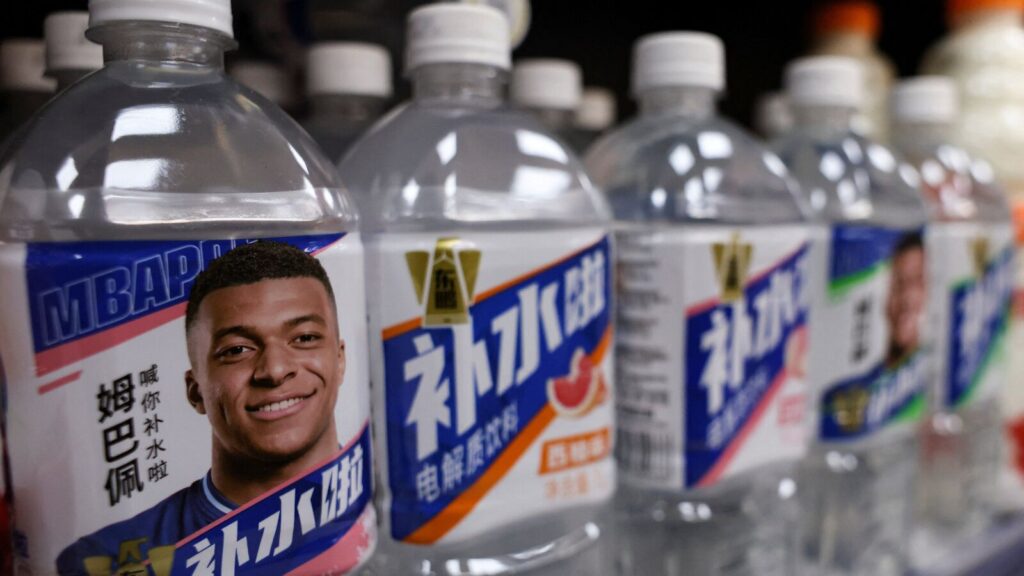
Dongpeng, Mengniu and Milkground announced on Tuesday that they were terminating their agreements with Kylian Mbappe. In similarly worded statements, each company said it opposed “any words and actions that hurt national sentiment.” None named the specific comments, but the timing left little doubt.
RedNote (Xiaohongshu) confirmed that its content partnership with him had already ended on 31 December 2024 and said it would “remove related promotional materials.” It also opposed “any conduct that hurts national sentiment.”
Mbappe had featured in Chinese advertising, including a Dongpeng commercial where he delivered a slogan in Mandarin and a Mengniu campaign alongside Lionel Messi. Those promotions have largely been pulled.
Why did Kylian Mbappe apologise and what did he say?
Hours later, Kylian Mbappe posted a formal statement on X, issued in French, Chinese and English. In the English version, he wrote: “During a recent interview, I reacted to an image of myself. My comment was ill-judged, and I now understand that it hurt many people in China and in Chinese communities around the world. I apologise to everyone my words have upset. This was absolutely not my intention. I have deep respect for the Chinese people and their history, and I am sincerely sorry.”
How widespread was the backlash before his apology?
China Central Television reportedly removed Kylian Mbappe’s advertisements, stopped airing matches involving him, and deleted related Weibo posts. His accounts on Weibo and Xiaohongshu, each with around one million followers, were muted. Chinese Foreign Ministry spokesperson Guo Jiakun said that any words or actions that offend the Chinese people will inevitably encounter widespread opposition from Chinese society.
Eastroc Beverage Group shares fell as much as 4.1 percent, while Mengniu dropped about 3 percent. Sportswear brand On deleted related posts from its Chinese channels. On Weibo, hashtags such as “Dongpeng ends partnership with Mbappe” and “Football fans boycott Mbappe” trended heavily.
The apology came after the commercial fallout had already begun and follows a pattern of foreign athletes and brands facing swift reactions in China over comments seen as sensitive to national history. Whether the statement will reverse the brand decisions or cool the online reaction remains unclear.
#Kylian #Mbappe #Chinese #dictator #meme #apologise #China #brands #cut #ties