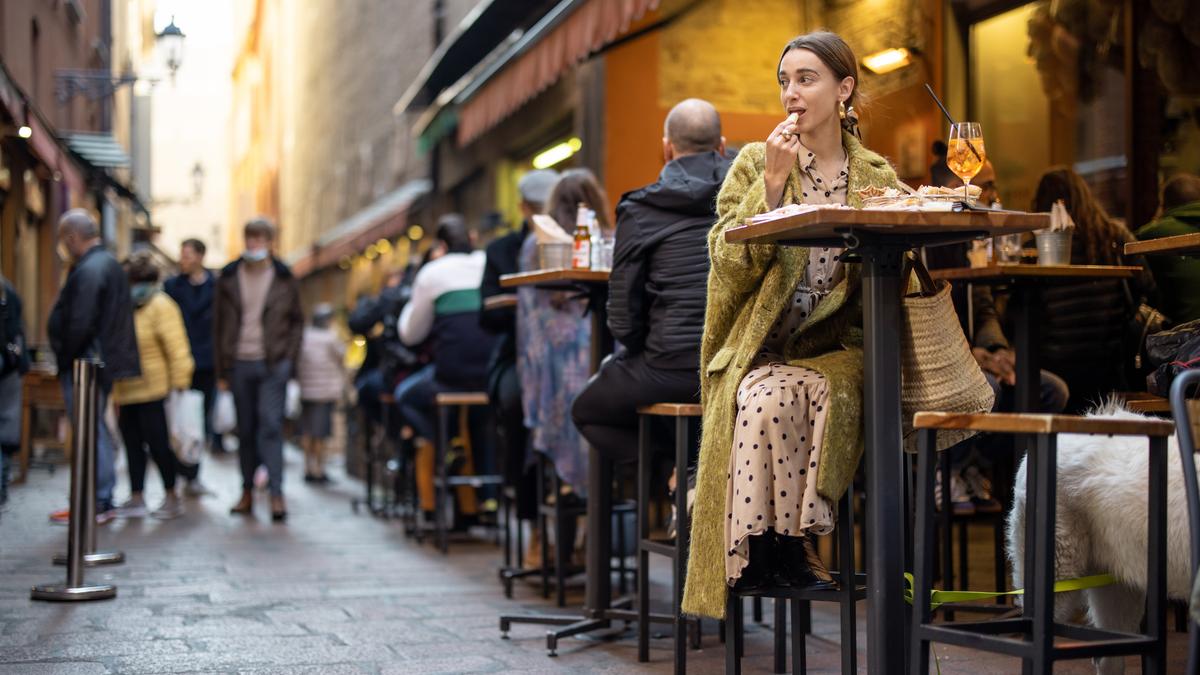
Some of the most useful lessons I learnt as a young restaurateur came from New York restaurateur Danny Meyer’s book Setting the Table. He writes beautifully about the guest who comes in alone. Most diners come in with an agenda — to impress a date, close a deal, celebrate an anniversary or survive a family gathering. A solo guest, on the other hand, has only one agenda: a date with the restaurant.
Now, restaurants are, of course, places of conversation. Viewed that way, most people are coming in to rent a table for a while. The restaurant gives them lighting, music, plates, wine and a setting in which to say things they might not say at home. It is a stage for love, gossip, awkward silences, business plans, breakups, proposals, politics and so much more. We provide the scenery, snacks and lubrication.
But a solo diner is different. A solo diner is not just renting the room. They are there for the restaurant itself, and dining with it.

When someone eats alone, their attention to detail is far more heightened than someone deep in conversation with a partner. They watch the rhythm of service, they hear the clatter from the kitchen, the couple on a first date two tables away. They read the menu thoroughly. They taste each bite intentionally. They are, in the best sense, fully present.
For that reason, we have always tried to look after our solo guests particularly well at Hoppers. If a two top is available, we will seat a single diner there. We make sure someone checks in and strikes up a conversation when it is welcome, or knows when to leave them alone. Get that right, and the solo diner who felt genuinely looked after has a far higher likelihood of becoming a guest for life. As Meyer put it, treating solo diners as royalty is both the right thing to do and smart business. I have never found a reason to disagree.
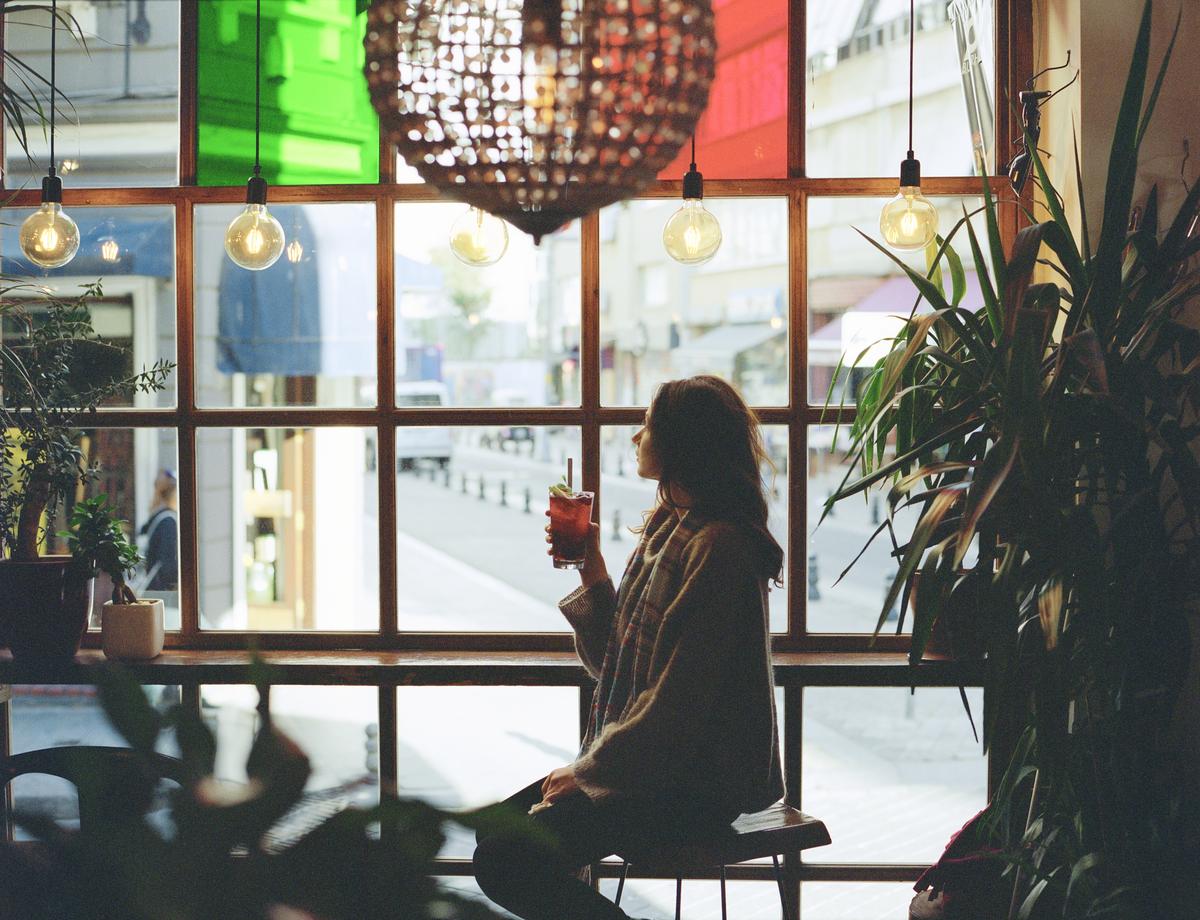
Restaurants have become more casual. You no longer need a jacket, an occasion and three other people to justify eating something delicious in public.
| Photo Credit:
Getty Images/ istock photos
Solo diners are often quick. They are often curious. They are usually willing to spend on something good. If they feel seen, they come back with friends and family.
Online restaurant-reservation service company OpenTable has reported growing interest in dining alone, especially among younger diners, and recent industry reports point to more flexible eating habits and more people treating solo meals as self care. Toast’s 2025 restaurant trends report noted a rise in solo reservations, while wider commentary has linked the trend to remote work, smaller households, later marriage, urban living, travel, social media led food discovery and the fact that people today cook at home far less than previous generations did.
Anecdotally, I think there is another reason too. Restaurants have become more casual. You no longer need a jacket, an occasion and three other people to justify eating something delicious in public. People now travel to bakeries, queue for noodles, cross towns for pizza. In general, quality dining has become a lot more coveted and accessible.
In India, I suspect the shift will take longer. Eating, especially at dinner, is still often occasion-led and involves friends and family. Eating alone is more functional — a quick thali at lunchtime, a dosa on a Sunday morning, a roll late at night or a sandwich on the way home. This is perhaps because many homes have more cooking support than in the West. In London or New York, buying ingredients, cooking, cleaning and finding the time is often less appealing than sitting at a bar with a bowl of pasta.
Personally, I love eating alone and adore counter dining. On a recent long weekend in New York, where I had gone partly to watch Bruce Springsteen and partly, inevitably, to eat, I was reminded how clever a bar seat can be. The hottest restaurants, where reservations usually vanish months in advance often have a bar for walk-ins. For anyone trying to get into a new restaurant, this is often my most practical advice” Go alone and ask nicely for the bar.

The rise of solo dining should be good for restaurants too, not only financially but philosophically. It reminds us that hospitality should not be reduced to managing covers, turning tables and squeezing in one more six top on a Friday night. At its best, a restaurant is about conversation as much as food, whether that conversation is with a waiter, a bartender, a chef at the pass, or the stranger sitting beside you. And no one is better placed to have these than the solo guest.
From a restaurant’s perspective, a table for one is not an inefficiency. It is the ultimate compliment. And from a guest’s perspective, it is a very smart way to hack the booking system and know instantly which restaurants are truly in it for hospitality, not just profit.
Karan Gokani is a London-based chef and restaurateur who spends his time cooking, travelling and exploring what the world is eating. He loves the gym, biriyani and his frying pan. Not necessarily in that order.
Published – May 23, 2026 07:00 am IST
#Dining #Heres #solo #dining #popular
