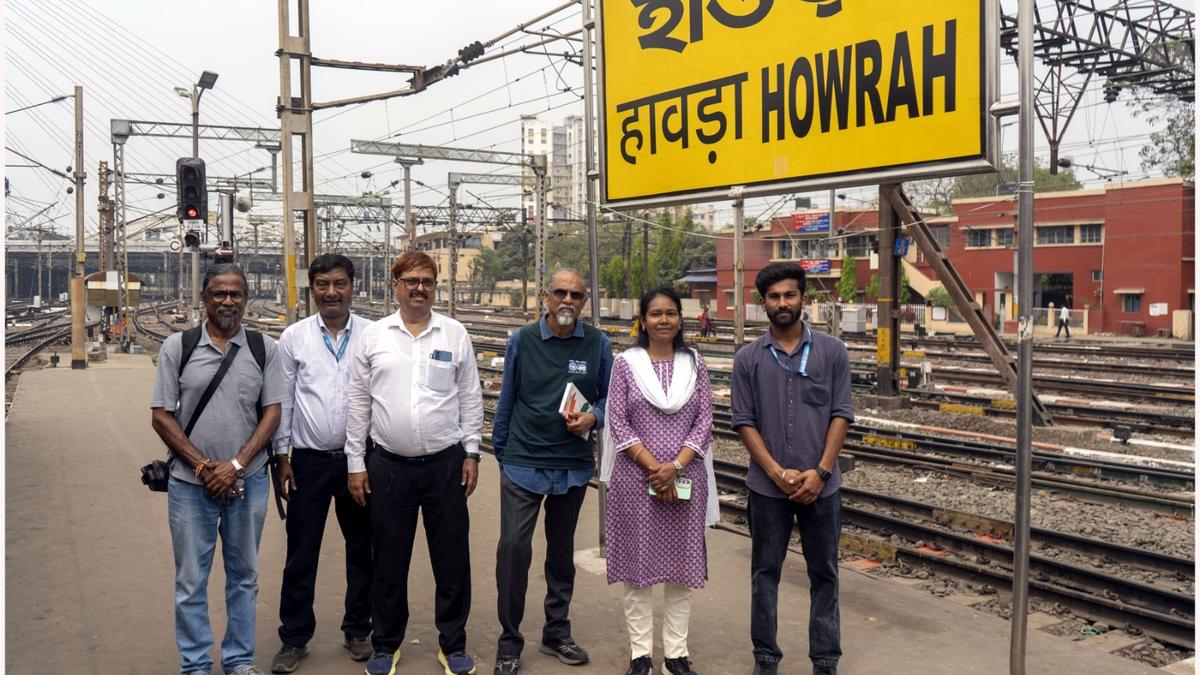
A retired government officer in Sri Lanka, Saman Athaudahetti is well known in the island’s political, literary, and cultural circles for his many avatars — as adviser to former President Ranil Wickremesinghe, additional secretary when Wickremesinghe was Premier, and as television presenter, author, and lyricist. Despite several official visits and holiday trips to India, it is only post-retirement that he was able to earmark time for this “dream”.
“I must have gone to India about 30 to 40 times, mostly for work. I did manage to do a few holiday trips, and I had the chance to travel by train…I found it simply amazing,” he says, speaking to The Hindu in Colombo. Like India, Sri Lanka’s own railway network was built during British colonial rule. Labourers from South India, brought to the island to work on tea plantations (or Malaiyaha Tamils as they are identified today), helped build it. But the extent of the Indian railway network and its reach to remote parts of the country, have long fascinated Athaudahetti, so much so that he decided to write a book on the theme, following his travelogues.
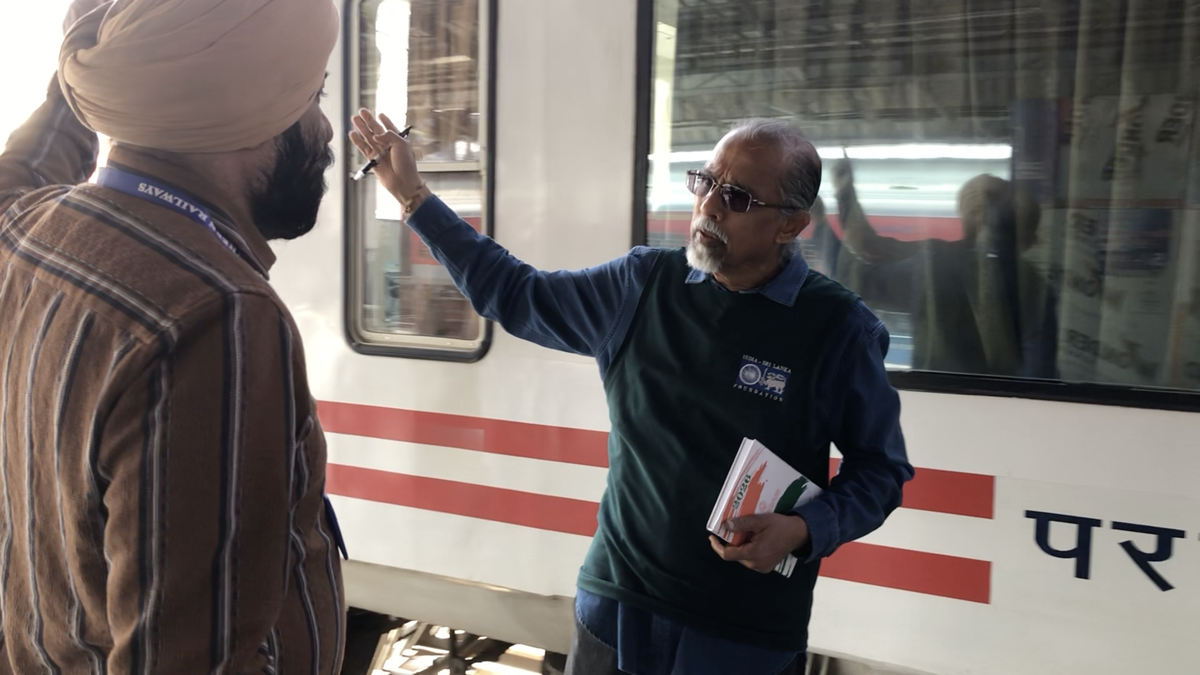
At Jammu Tawi, a railway station in Jammu city
| Photo Credit:
Asoka Athaudahetti
India-Sri Lanka Foundation, a trust fund setup by the governments of the two countries to back projects aimed at enhancing relations between the nations, offered to support Athaudahetti’s book project. “The book will first be published in Sinhala and possibly translated to English later. The idea is to capture the expanse of the Indian Railways, so I travelled through 17 states and nine railway zones, covering very different geographies, cities, and experiences,” he says. In addition to financial support, Indian authorities and a travel agent helped him plan his visit, including the itinerary, logistics and his interviews with various officials. “Many of the Indian officials were incredibly helpful, especially Dinesh Sood [Senior Principal Private Secretary to the Member (Infrastructure), Railway Board]. The railway staff I met are like family now, sending me WhatsApp forwards and good morning greetings every day,” he says.
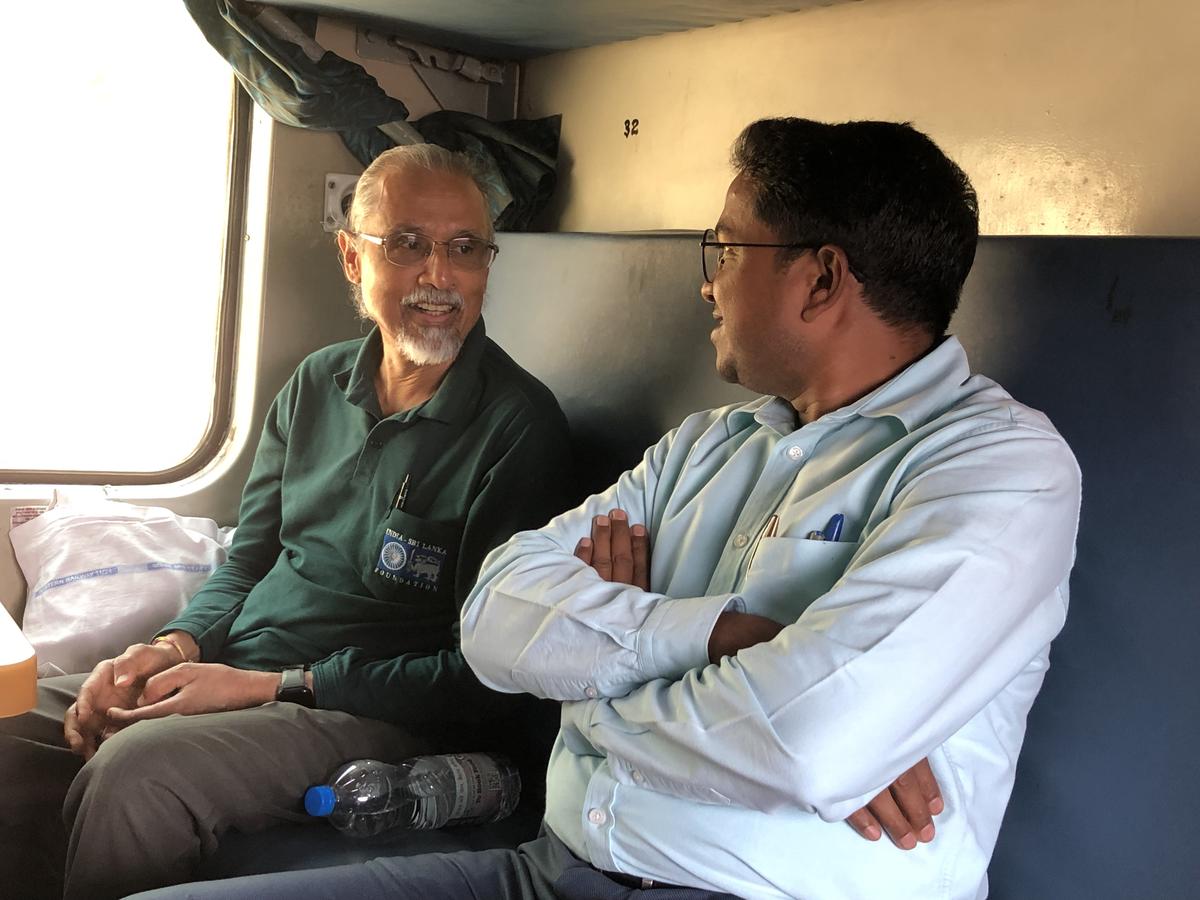
Enroute Navapur
| Photo Credit:
Asoka Athaudahetti
Athaudahetti’s journey covered well-known stations such as Ledo in Assam, the easternmost station in India; Navapur, located on the Gujarat-Maharashtra State border. “The platform here is split between the two states, it is really interesting! I also went to Ghoom in Darjeeling, the highest railway station in India; Gorakhpur junction which has the second longest platform in the world; and Howrah, one of the busiest railway stations in the world,” he says. He spoke to passengers, station masters, and other railway officials to record both, information on and experiences of Indian Railways. For company, he had his brother Asoka Athaudahetti, who helped visually document the journey.

Athaudahetti points to a marked improvement in facilities, coaches and in overall cleanliness, barring “some exceptions”, in the last 10 to 15 years. “You know, cleanliness depends on the passengers, it’s not only upto the railway authorities,” he politely adds. Digitisation is another aspect that stood out. “Ticket checkers who would earlier carry those files are now using tabs. There are apps that give you all the information about schedules, PNR status, and the time of arrival. You can order food on these apps, and it’ll be delivered while you’re in the train. You can raise complaints, it’s quite amazing how technology has been integrated to this public transport service.” Vande Bharat trains are “impressive” and launch of bullet trains connecting Mumbai and Ahmedabad, scheduled in 2027, will help the Indian Railways further its game, he notes.
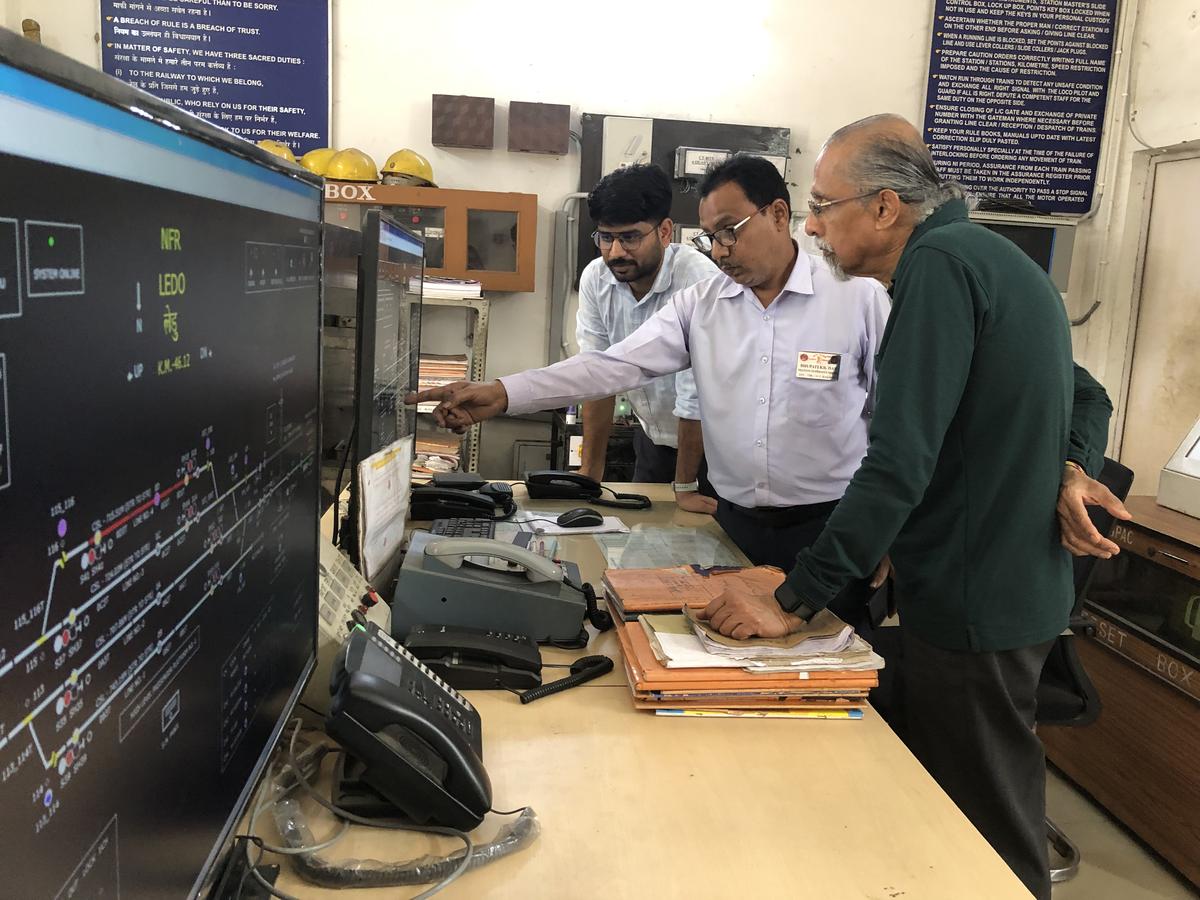
Athaudahetti with senior members of the Indian Railways
| Photo Credit:
Asoka Athaudahetti
An important takeaway from his experience is the “beauty of diversity”, Athaudahetti says, recalling the varied terrain, climate, people, languages, and food he encountered. “The food…oh my! The seafood in Kanyakumari, then the Chettinad curries, the cloud pudding in Kerala, the malaiyo in Varanasi, the rajma in Jammu… just so tasty. And then, in Mumbai, Bombay duck is a fish dish, but in Assam we had the bird… just so many different cuisines and tastes,” he says, visibly delighted as he recalls his culinary trip.

However, there was one meal that beat the rest. A home-cooked meal at Ledo station pointsman Raja Das’s home. “There was a major traffic jam in the town that day and we were racing against time to catch our next train. We did not have time to go find lunch. Raja Das invited us to his modest home nearby, and his mother and wife quickly cooked a meal just for us. They served us a sumptuous meal of rotis, rice, fish and vegetables quickly. It was truly delicious. I will never forget the family’s warmth and hospitality,” he says. Athaudahetti certainly has a lot to write about but “this is only the first leg”, the 68-year-old adds. “I have so much more to cover in the Indian Railways that I will need to go back!”
Published – May 27, 2026 12:32 pm IST
#journey #heart #Sri #Lankan #officers #transformative #train #adventure #India
