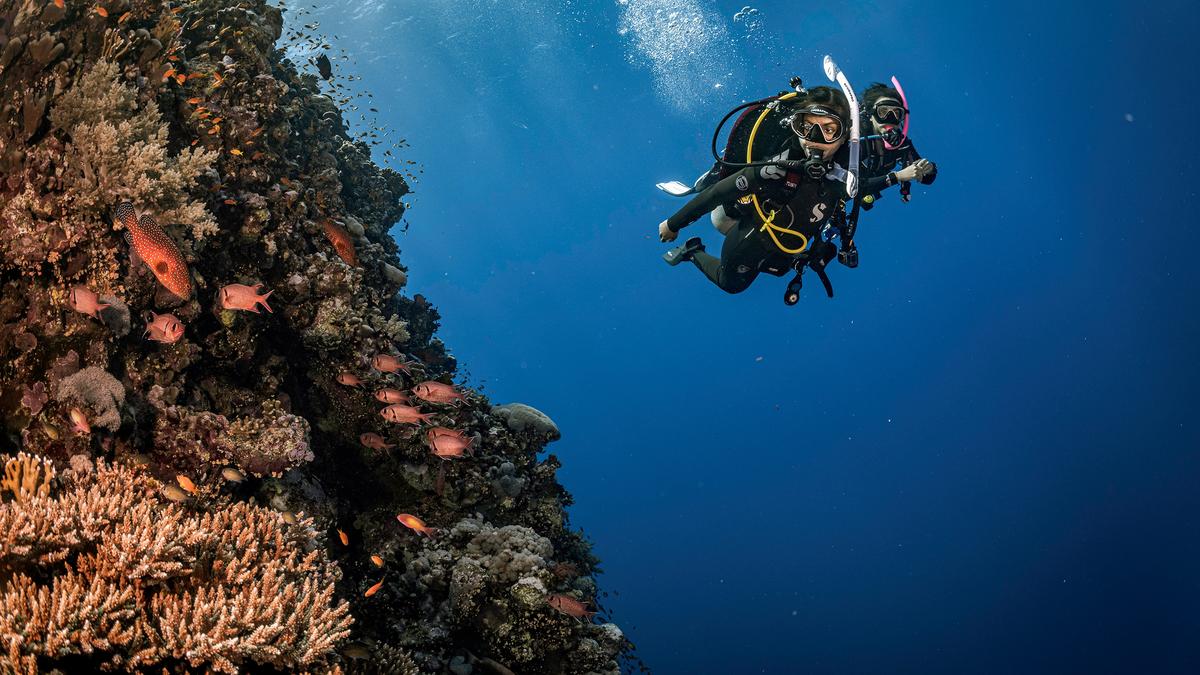
On some mornings, across India’s reef-rich waters, the sea lies like a sheet of glass from the Andaman and Nicobar Islands and Lakshadweep to the long coasts of Goa, Kochi, Puducherry, and beyond. Shifting between blue and green, coral gardens bloom quietly beneath, their edges catching the light. It is here, and during the recently-concluded Professional Association of Diving Instructors’ (PADI) Go Eco Month in April — a global campaign that turns everyday diving into acts of conservation — that the illusion of untouched waters was both encountered and undone.
From above, the waters look pristine but under, the eye begins to adjust. A flash of colour gives way to a torn plastic bag snagged behind a coral head, a length of fishing line drifting where fish once moved freely. For those who have been under, who have watched corals breathe and bleach and traced the slow spread of debris across the ocean floor, the illusion does not last long.
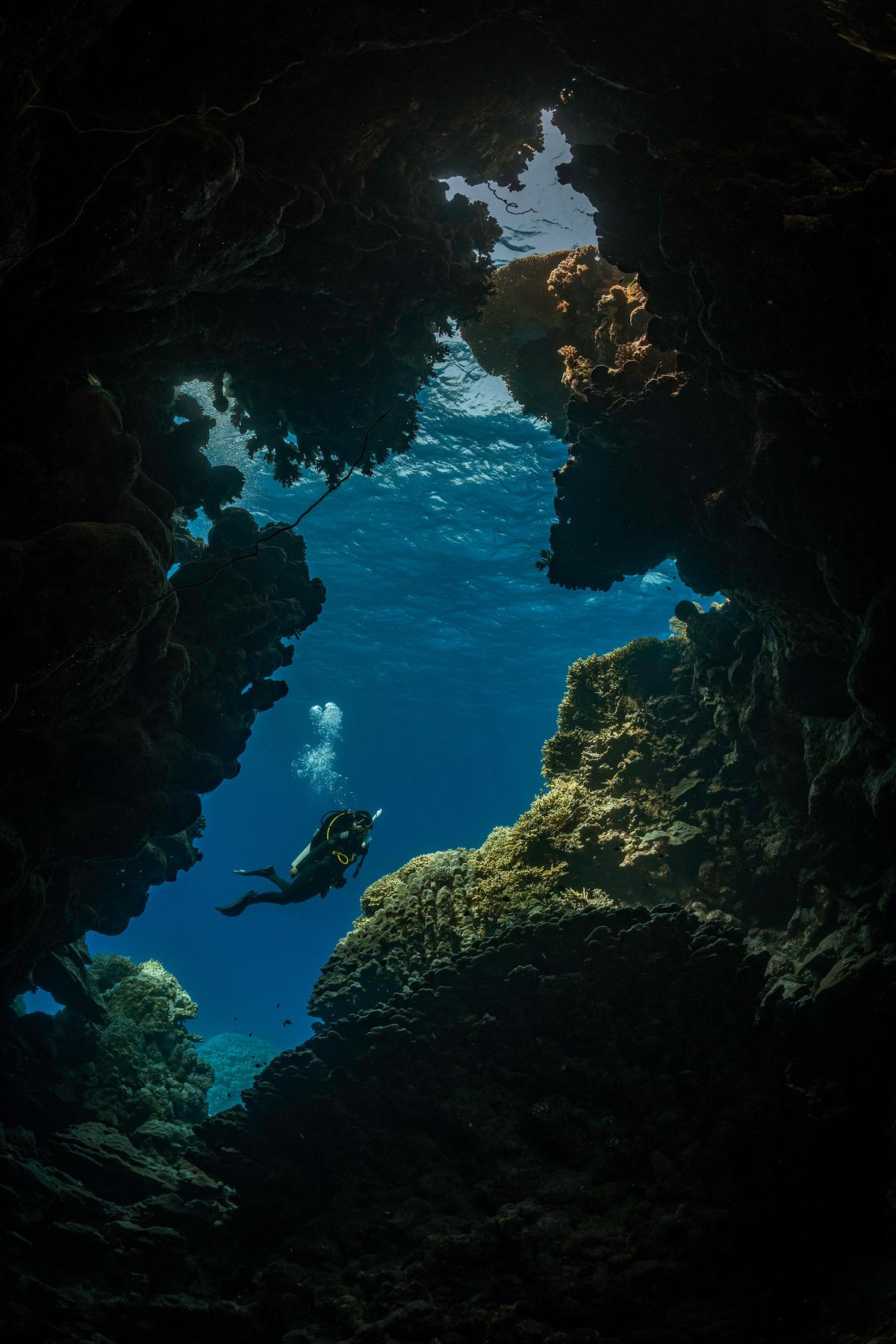
In India, PADI partners with certified dive operators in Goa, Andamans, Puducherry, and Lakshadweep
| Photo Credit:
PADI
Across India’s dive hubs, from the Andamans to Goa and Puducherry, something is changing. Travellers are not just snorkelling to see the ocean anymore. They want to help it heal through ocean floor clean ups, learning about reefs, coves and being more careful in how they travel. What used to be a bucket list experience is slowly turning into something more thoughtful and responsible.
At the centre of this shift is the California-based PADI, one of the world’s most recognised dive training organisations, which is driving conservation focussed campaigns across India, Indonesia, Thailand, and Australia.
In India, PADI partners with certified dive operators in Goa, Andamans, Puducherry, and Lakshadweep, use training, certification and global initiatives like Go Eco Month to bring together dive centres, local communities and first time divers around ocean clean ups, reef awareness and responsible ways of engaging with the sea.
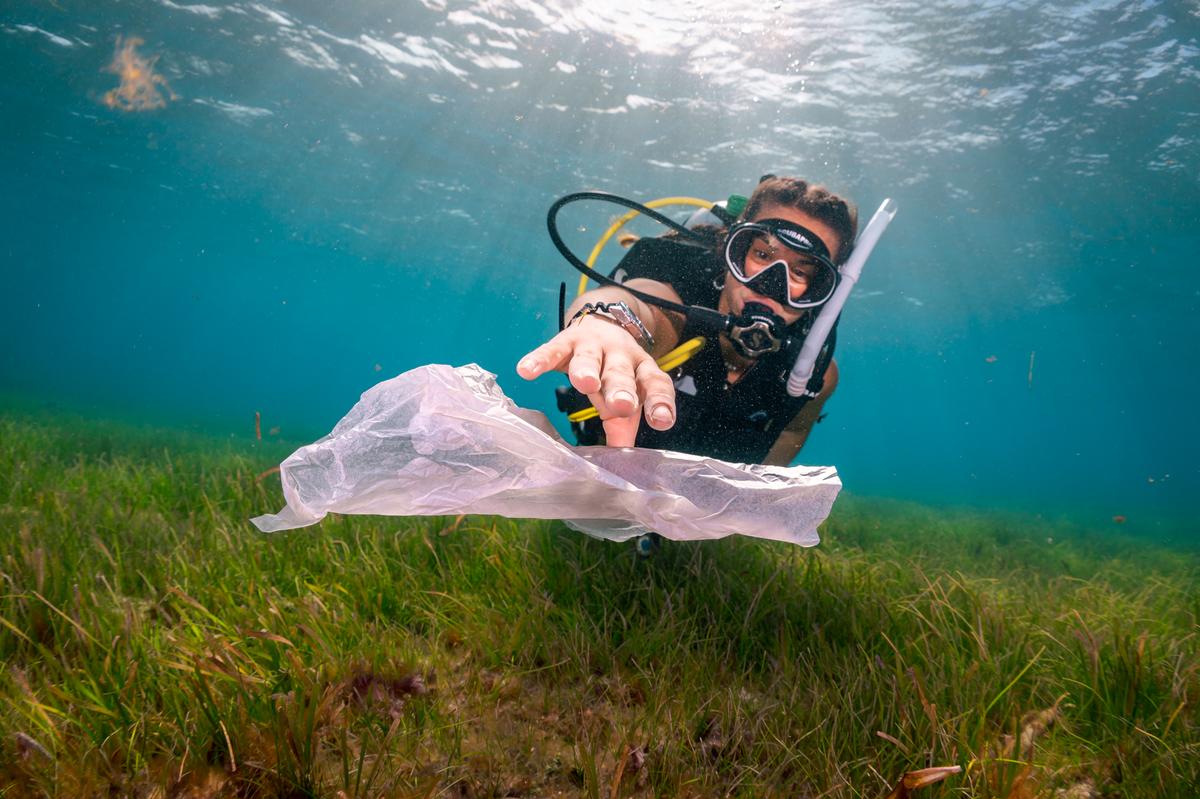
A diver clearing plastic from the sea
| Photo Credit:
PADI
Ashrita Gachumale, a 17-year-old PADI AmbassaDiver from Hyderabad , has been diving since she was nine. Inspired by ocean documentaries like David Attenborough’s Great Barrier Reef, Blue Planet II , Seven Worlds One Planet as well as her father, an experienced diver, her interest in conservation took shape in her early teens. On revisiting Havelock Island after a gap of a few years, revealed stark changes. . “Diving becomes very personal when you see the impact humans have on corals and how easy it is to damage them,” she says, pointing to coral bleaching and reckless tourism, where people often step on or touch corals causing them damage. She adds that even a one to two degree rise in water temperature can trigger mass bleaching even in inaccessible areas.
Mia Raghavi, PADI Instructor Development Course (IDC) staff instructor from Bengaluru says, “Divers today are eco-conscious. They want to dive with sustainable operators. They want to feel like they are not just taking from a place, but also giving back to it.” Unable to point to India specific figures, Mia says that PADI has trained a network of 30 million certified divers worldwide.
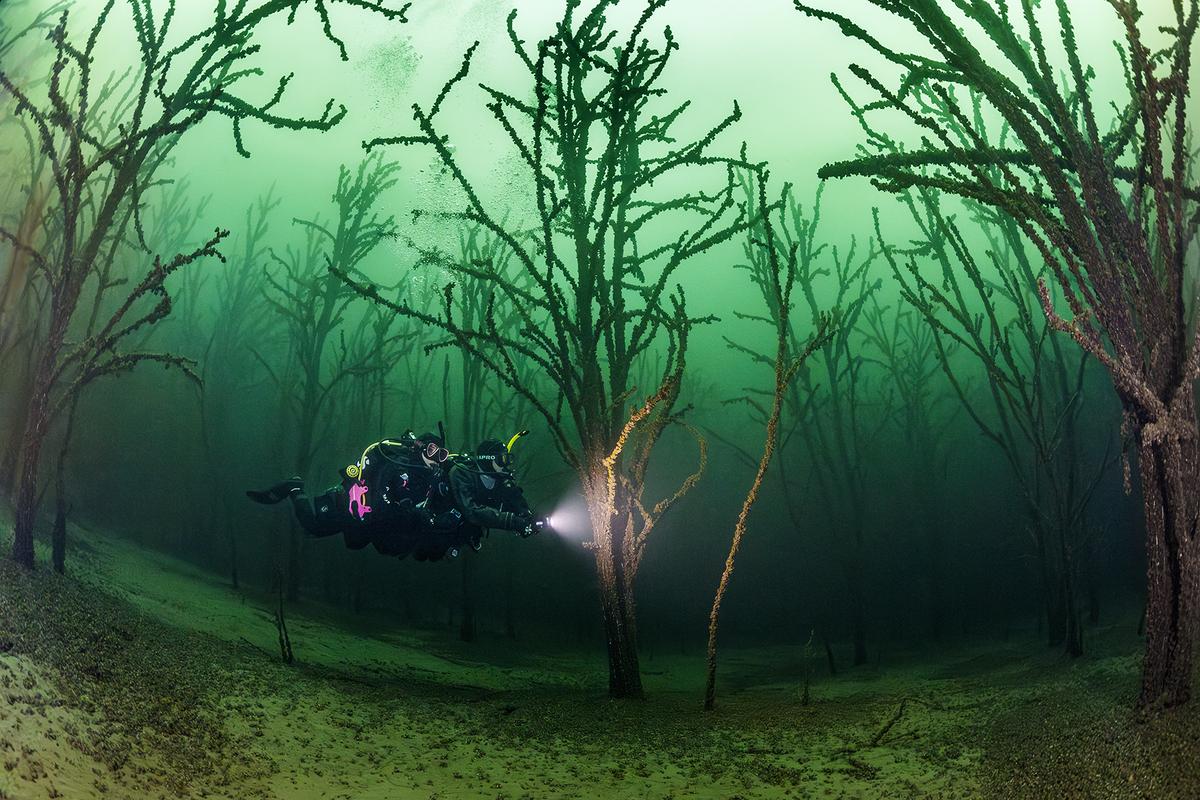
Two scuba divers dive through an underwater forest
| Photo Credit:
PADI
Programmes like PADI’s Dive Against Debris conducted by top centres like Temple Adventures and Temple Reef Foundation in Puducherry, Turtle Nest Scuba in Lakshadweep and Bond Safari in Kerala, allow participants to collect marine waste while logging data that feeds into global databases used for policy advocacy.
Ashrita explains, “You go diving or snorkelling and pick up debris that shouldn’t be there. It can be nets, plastic, or glass. I’ve done about eight or nine such dives in Goa and the Andamans.”
How you can be a part of PADI
Start with the PADI Open Water Diver certification (requires swimming ability, basic fitness, and medical clearance)
Take the Dive Against Debris Speciality course (open to Junior Open Water Divers, Free divers, Advanced Mermaids, and above) to remove marine debris and contribute to data collection for debris management
After certification, continue participating in clean-up dives and submit survey reports; you can also pursue advanced or other speciality courses
Mayen Colyer, Sustainability lead at PADI in the United Kingdom, says that PADI works with local centres such as Temple Adventures in Puducherry and Bond Safari in Kerala to deliver certified courses and spotlight operators engaged in conservation, but its latest push goes towards embedding sustainability into the industry’s core. Its Eco Center programme, launched in partnership with Reef World Foundation and Green Fins, a PADI Eco Center meets environmental standards and is recognised for demonstrating a dedication to conservation and dive industry sustainability.
Across roughly 50 to 60 centres in Andamans, Goa, and Puducherry, operators are informally adopting similar practices like reef safe diving, community outreach, and coral reef restoration guided by PADI’s three pillars of dive sustainability, ocean conservation and people. Mayen notes that nearly 90% of dive centres across the world adopt such practices out of core business values, but rising traveller demand for “give back” experiences and commitment to ocean conservation citizen science is accelerating the change.
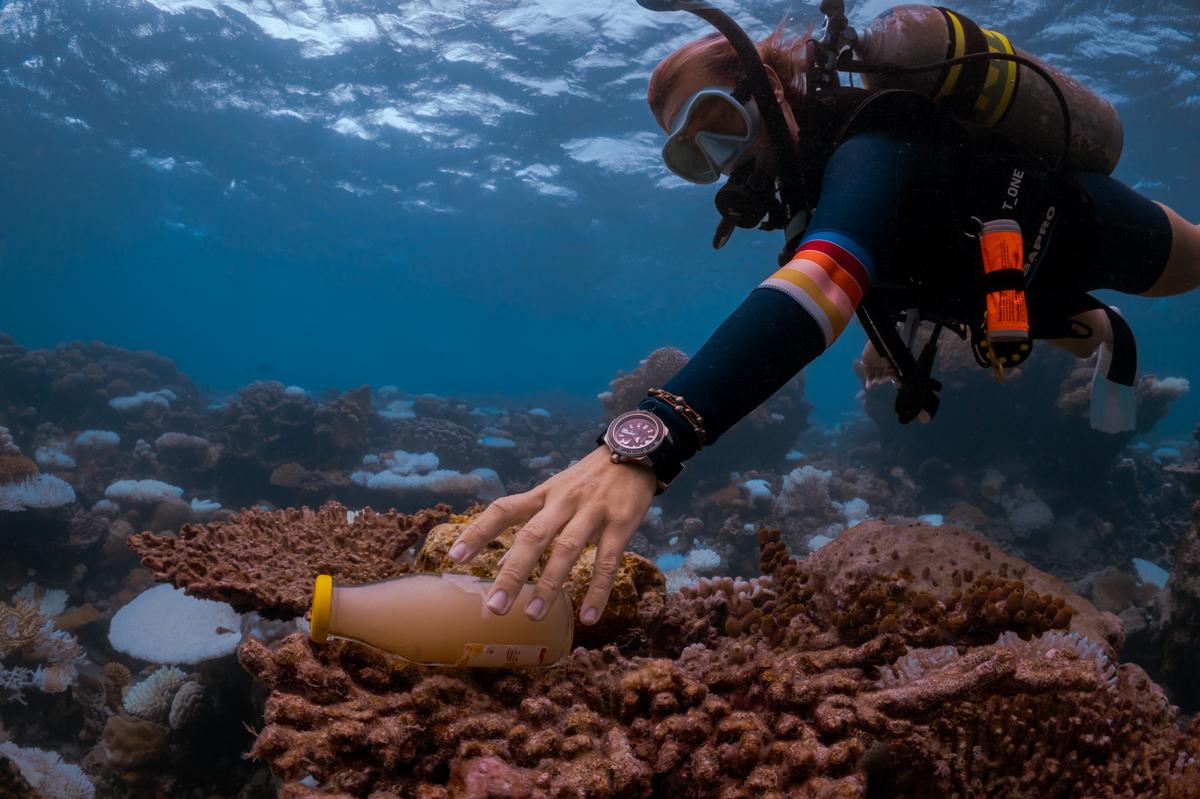
Across roughly 50 to 60 centres in Andamans, Goa, and Puducherry, operators are informally adopting similar practices like reef safe diving
| Photo Credit:
PADI
For dive operators, this shift is central to the experience they are now curating. Jackson Peter, who runs Bond Safari, a dive academy in Kerala’s Kovalam and in the Lakshadweep islands, says, “We named our foundation Planet Ocean because the earth is clearly an ocean dominated planet.” The Planet Ocean initiative, he explains, is focussed on marine awareness and conservation at the local level from organising beach and underwater clean ups to educating first time divers about plastic pollution and responsible ocean behaviour. At Kovalam, for instance, dives are often preceded by plastic collection drives and awareness efforts involving tourists and local communities.
“We are concerned about 23% of land that we inhabit because we can see it. But what about the 75% that is the ocean? Nobody knows what is happening there,” says Peter.
To bridge this gap, his organisation runs podcasts in Malayalam explaining marine laws and biodiversity because most existing content is inaccessible to local communities. They take tourists on early morning coastal walks before a dive, narrating “ocean stories” and introducing them to coral fragments, tidal rhythms, and even turtle nesting sites.
There is also deeper, systemic work that Peter works towards. In Kerala, he collaborates with coastal communities around Kovalam beach to move towards carbon neutrality by 2027, using strategies like mangrove restoration, bamboo plantations, and biochar to reduce emissions. Waste management systems, solar initiatives, and carbon audits are part of the same vision.
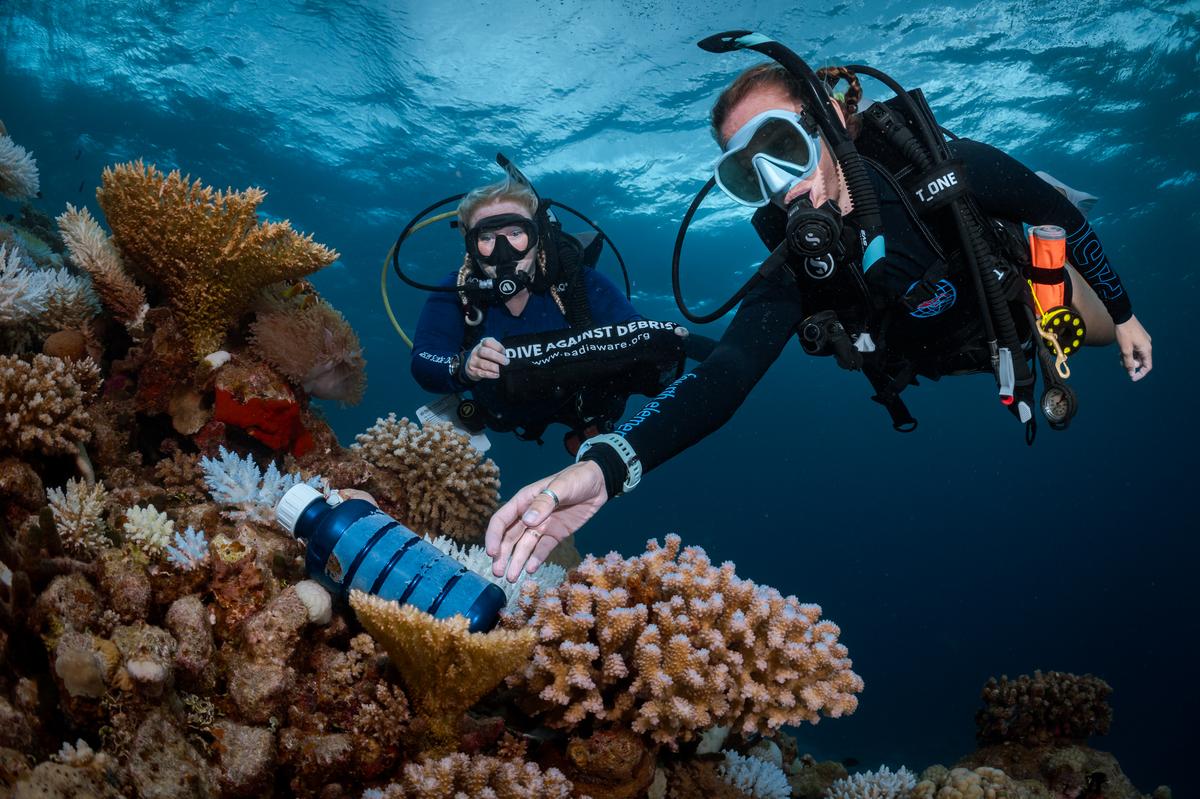
Divers are now asking different questions about reef safety, community work, and sustainability practices
| Photo Credit:
PADI
However, the most immediate shift is happening at the tourist level. Divers are asking different questions about reef safety, community work, and sustainability practices. Platforms now allow users to filter dive operators based on conservation credentials, whether they are involved in reef safe practices, community engagement, or marine protection initiatives..
Among younger travellers, the shift is pronounced. For the last three years Ashrita has been running two non-profits BhūVyom and artSTEMic in Hyderabad that focus on environmental education, using painting and storytelling to explain concepts like coral bleaching and plastic pollution to children. “Initially, many didn’t even know what corals were,” she says. “After a few workshops, they could explain it confidently. That is very rewarding.”
But awareness alone is not what drives change underwater. It is the encounter. Divers speak of the moment when abstraction collapses into reality, when a reef is not a photograph but a fragile organism and when plastic is not waste but an intrusion.
What is changing along India’s coasts is not just how people dive but it is why they do it. This shift can be felt in the diver who comes back with more than just photographs, in the traveller who tries to leave the ocean a little better than they found it, in the slow and steady understanding that this isn’t someone else’s problem anymore. Because once divers see the ocean up close, it stops feeling far away. And once it doesn’t feel distant, it begins to feel personal .
#Indias #divers #turned #ocean #encounters #conservation #action
