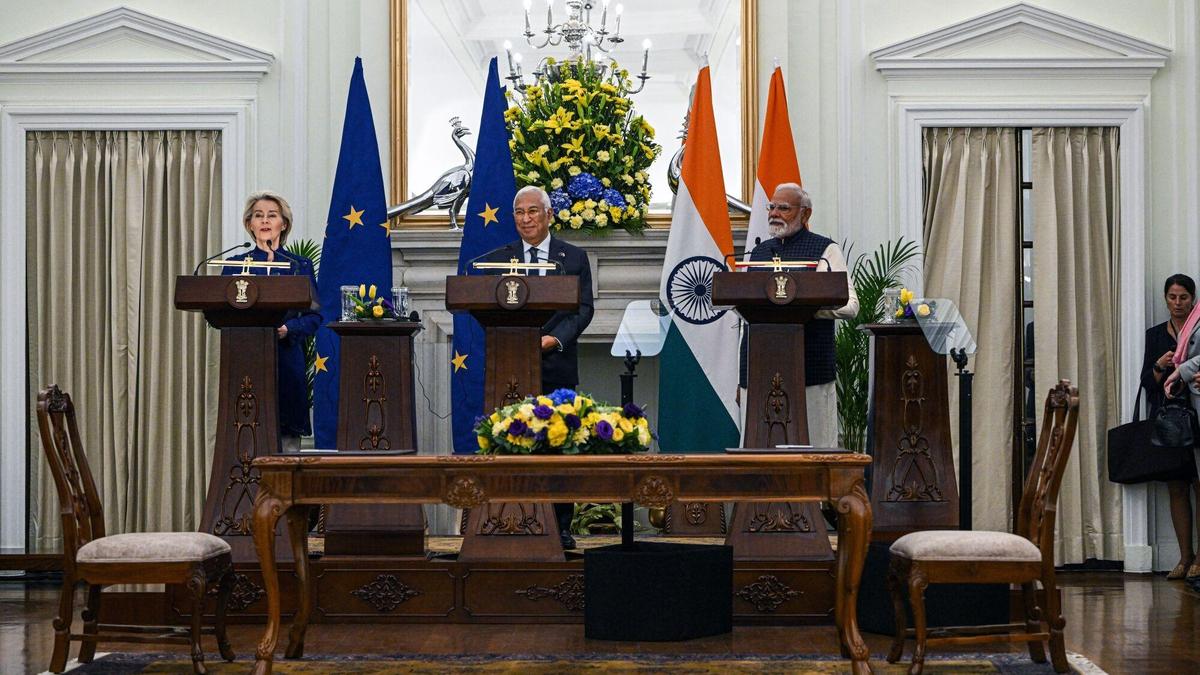
Understanding the 6 Key Impacts of the EU-India Free Trade Agreement on You
Introduction to the EU-India Free Trade Agreement
The EU-India Free Trade Agreement is poised to reshape trade relations and economic interactions between one of the largest markets in the world, the European Union (EU), and a rapidly growing economy, India. This comprehensive agreement is expected to eliminate or significantly reduce tariffs, thereby enhancing trade between these entities. The growing economic interdependence raises important questions regarding its implications for consumers, businesses, and the broader public.
1. Tariff Reductions Leading to Lower Prices
One of the foremost impacts of the EU-India Free Trade Agreement is the reduction of tariffs. By lowering or completely removing these trade barriers, the agreement is designed to lower the costs of goods and services. As tariffs decrease, consumers should experience decreased prices, particularly on imported products from both regions. This means that consumers may gain access to more diverse and affordable product choices, from electronics to textiles.
Improved Consumer Choices
With diminished tariffs, consumers will encounter an expanded array of products that were previously either too expensive or inaccessible. Indian products, such as spices and textiles, can flood European markets, stimulating competition that benefits consumers. European goods, including machinery and high-tech products, will become more attainable in India, enriching consumers’ options.
2. Boost to Economic Growth
The EU-India Free Trade Agreement is expected to serve as a catalyst for economic growth. By creating a more favorable trade environment, it may attract foreign direct investments (FDI) and promote domestic industries on both sides. Greater trade fluidity will likely lead to job creation and strengthened economic performance.
Fostering Employment Opportunities
As companies respond to new market dynamics, a rise in employment could materialize. In sectors like manufacturing and services, businesses may seek to expand to leverage the increased demand. The represented industries will need a skilled workforce, prompting the need for education and training initiatives.
3. Enhanced Collaboration in Technology and Innovation
An often-overlooked benefit of the EU-India Free Trade Agreement is its potential to foster collaboration in technology and innovation. The agreement promotes the exchange of ideas and technological advancements, leading to cooperative ventures that benefit both parties.
Driving Innovation
Companies in the EU and India can leverage each other’s strengths, which may lead to advancements that enhance operational efficiencies and introduce cutting-edge products to the market. For instance, partnerships in sectors such as biotechnology, information technology, and renewable energy could yield leading solutions that meet global demands.
4. Regulatory Harmonization
With the introduction of the EU-India Free Trade Agreement comes the prospect of regulatory harmonization. Aligning standards and regulations will ease the complexities associated with cross-border transactions, potentially streamlining processes for businesses engaging in trade.
Benefits of Streamlined Commerce
As regulations become harmonized, companies will spend less time and resources navigating different bureaucratic processes. This simplification will promote smoother logistics, faster entry to markets, and a more favorable business environment overall. Adopting similar norms could also lead to enhanced safety and quality standards for consumers.
5. Environmental and Social Considerations
A crucial discussion point surrounding the EU-India Free Trade Agreement is its potential environmental and social implications. While promoting economic growth, there are concerns that such growth could come at the expense of the environment or traditional livelihoods.
Balancing Economic and Social Needs
To address this, it will be vital for the agreement to incorporate sustainable practices and regulations that prioritize environmental protection and social responsibility. Industries must adopt eco-friendly initiatives and ensure fair labor practices to foster responsible economic development.
6. Navigating the Political Landscape
Lastly, understanding the political implications of the EU-India Free Trade Agreement is essential. Trade agreements can impact geopolitical relationships, both regionally and globally. This agreement marks a significant step in strengthening EU-India relations, presenting opportunities for increased collaboration on broader issues.
Implications for Global Relations
With changing global trade dynamics, the EU-India Free Trade Agreement can shift allegiances and create new partnerships. Stakeholders should remain informed about how these alterations may influence international relations and trade policies, as changes can cause ripple effects throughout the global economy.
Conclusion: Embracing the Future
In conclusion, the implementation of the EU-India Free Trade Agreement is expected to have profound impacts, from reduced prices for consumers to new employment opportunities and enhanced collaboration in technology. However, navigating these changes will require diligence, a balanced approach to regulation, and a commitment to environmental and social responsibility. As we move forward, understanding the nuances of these effects will be key for individuals and businesses alike in maximizing the benefits that arise from this transformative agreement.
Engage with the evolving landscape and consider how the 6 key impacts of the EU-India Free Trade Agreement on you might influence your decisions, investments, and overall outlook in this interconnected global economy. The time to prepare for these changes is now, and with informed decision-making, stakeholders can thrive amidst the challenges and opportunities presented by this landmark trade agreement.
