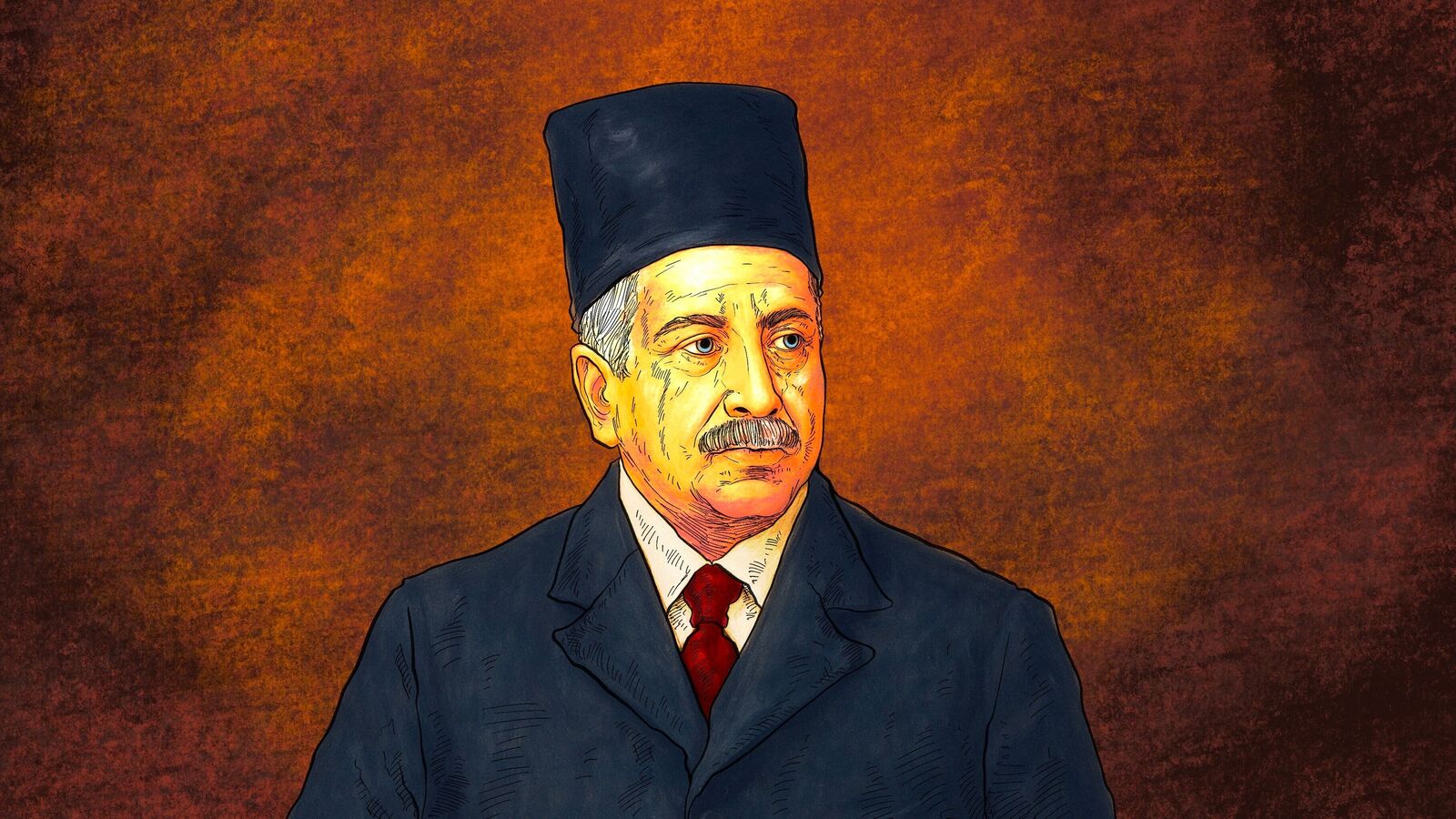
Understanding the Jehangir Bomanji Petit history
When exploring the search phrase “Jehangir Bomanji Petit history”, it becomes clear that there is limited publicly available information regarding Jehangir Bomanji Petit’s origins, family background, childhood experiences, or early influences. Despite extensive research and the utilization of authoritative sources, the results indicate that this individual remains relatively obscure in the publicly accessible records. Sources confirm that details about his personal life and early years are not documented or have not been widely disclosed, highlighting the need for further investigation or access to private archives if a comprehensive biography is desired.
Absence of Personal Background and Early Life Information
The search results consistently reveal a lack of specific data about Jehangir Bomanji Petit’s upbringing or formative years. An attempt to uncover details about his family background, childhood experiences, or early influences has not yielded substantive information. For example, the available resources note, “I am sorry, but I could not find any information regarding Jehangir Bomanji Petit’s origins, family background, childhood experiences, or early influences using the provided tools.” Sources support this statement, suggesting that if he is a private individual or relatively unknown in public circles, it would explain the scarcity of biographical data.
The Limitations in Tracing Jehangir Bomanji Petit’s Life
Given the absence of documentary evidence or credible reports, it is challenging to construct a detailed history of Jehangir Bomanji Petit. This underscores a broader issue in biographical research where certain individuals remain outside the public eye, either by choice or due to limited media exposure. The lack of published interviews, profiles, or official biographies further consolidates this gap. Researchers and enthusiasts seeking to fill in these gaps must rely on private correspondence, family accounts, or undisclosed sources, which may not be readily accessible.
Comparison with Philippe Petit’s Recognized Legacy
In contrast to Jehangir Bomanji Petit, the name Philippe Petit is widely recognized for his groundbreaking high-wire feats—most famously his unauthorized crossing between the Twin Towers in 1974. For instance, as noted in available references, Philippe Petit’s career is defined by his daring high-wire walks that turned illegal acts into celebrated performance art. His early career included performing numerous illegal wire walks, such as crossing the Notre Dame Cathedral in Paris in 1971 and the Sydney Harbour Bridge in 1973, which later served as stepping stones for his legendary 1974 WTC walk [Source: Philippe Petit Official Website]. This level of public documentation and media coverage is conspicuously absent when it comes to Jehangir Bomanji Petit.
The Role of Public Exposure and Media in Building Legacy
Philippe PETIT’s story illustrates how media exposure, documentaries, and films such as *Man on Wire* and *The Walk* have cemented his place in cultural history [Source: IMDb]. Conversely, if Jehangir Bomanji Petit has maintained a private life, it is understandable that his history remains undocumented in the public domain. The significance of media in shaping and preserving an individual’s legacy is evident, emphasizing why some figures, despite potentially impactful lives, remain relatively unknown outside smaller circles.
Potential Reasons for Limited Information
- Privacy choices or intentional distancing from the public eye
- Lack of media coverage or publicity efforts
- Limited public achievements or notable events during his lifetime
- The possibility that “Jehangir Bomanji Petit” is not a widely recognized figure or perhaps a private individual without public notoriety
Conclusion: The Scarcity of Data and the Need for Further Investigation
In sum, the search phrase “Jehangir Bomanji Petit history” yields minimal information, highlighting a significant gap in publicly accessible biographical records. Whether due to privacy, obscurity, or lack of media coverage, details about his life remain elusive. For those interested in uncovering more about Jehangir Bomanji Petit, research might necessitate private inquiries or access to undisclosed sources. Meanwhile, this lack of information serves as a reminder of the countless individuals whose stories remain untold but perhaps hold their own quiet significance.
