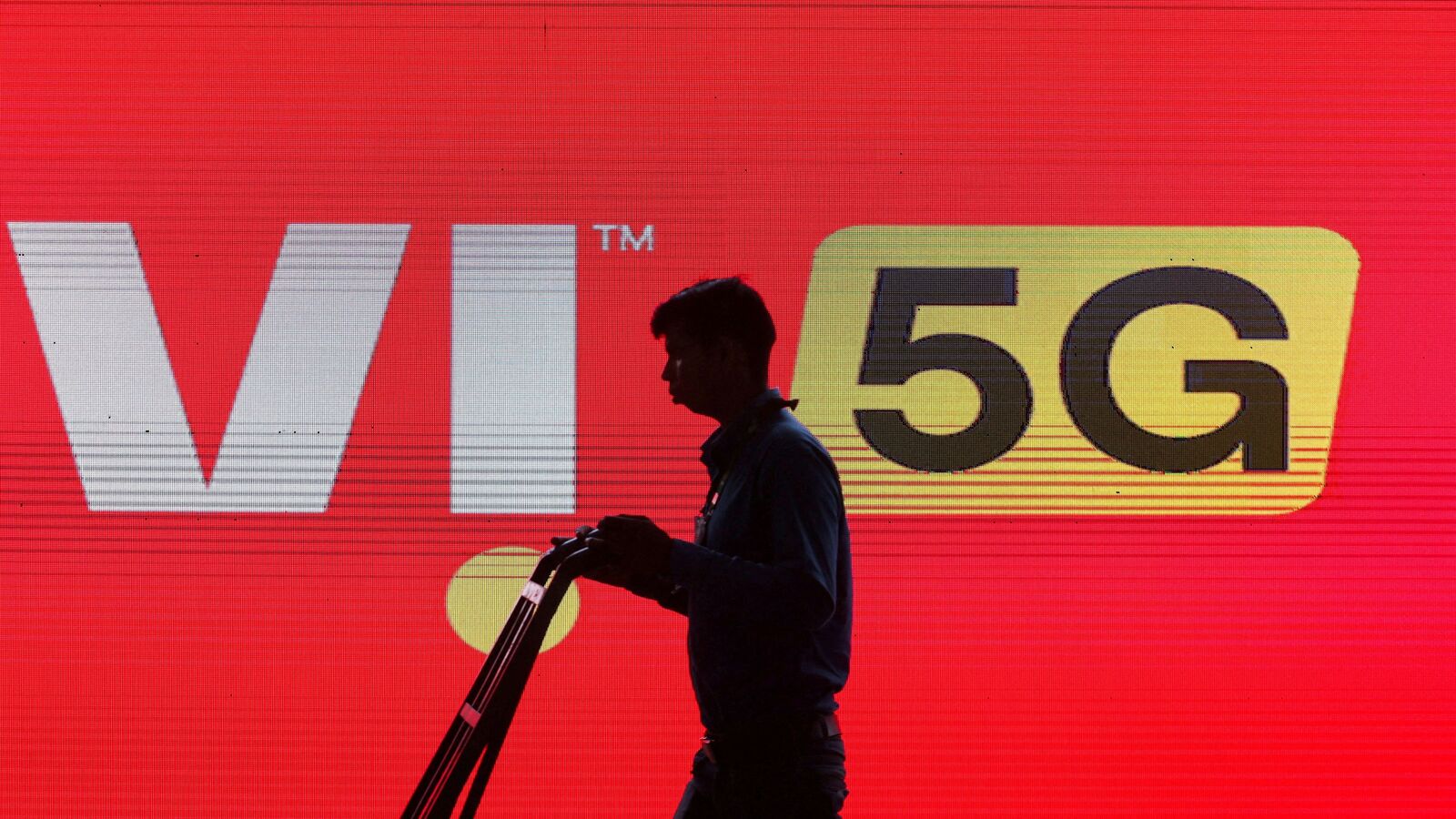
The **Vodafone Idea PMO decision** is a topic of considerable interest, especially given the company’s critical role in India’s telecommunications landscape and its ongoing financial and operational challenges. While specific, recent directives from the Prime Minister’s Office (PMO) concerning Vodafone Idea have not been widely publicized, the overarching influence of government policies and the PMO’s strategic oversight undeniably shape the trajectory of major industries, including telecom. This article will explore the historical context of Vodafone Idea, the profound impact of government decisions on the Indian market, the general mechanics of PMO influence, and the crucial implications of any potential future **Vodafone Idea PMO decision** on its future trajectory, shareholders, and the broader economy.
A Brief History of Vodafone Idea: Formation, Challenges, and Market Significance
Vodafone Idea Limited, widely known as Vi, represents a pivotal consolidation in the Indian telecommunications sector. Its inception in **August 2018** was the culmination of a merger between Vodafone India and Idea Cellular, a strategic move designed to forge a stronger entity capable of navigating India’s intensely competitive telecom market. This amalgamation was a direct strategic response to the disruptive entry of Reliance Jio in 2016, which, with its aggressive pricing and free services, put immense pressure on the revenues and subscriber bases of incumbent players like Vodafone India and Idea Cellular. The merger aimed to combine their operational strengths, vast customer bases, and valuable spectrum holdings, positioning the merged entity as India’s largest telecom operator at the time, boasting extensive network infrastructure Livemint – A Brief History of Vodafone Idea.
However, Vi’s journey since its formation has been fraught with substantial challenges, predominantly financial. The most significant hurdle has been the staggering Adjusted Gross Revenue (AGR) dues owed to the Indian government. A landmark Supreme Court ruling in 2019 mandated telecom operators to settle these long-standing dues, inclusive of interest and penalties. For Vodafone Idea, these dues amounted to billions of dollars, critically impacting its financial health and operational viability Indian Express – What are AGR dues and why is Vodafone Idea struggling with them?. This severe financial strain has crippled the company’s ability to invest adequately in essential network upgrades and the crucial rollout of 5G services, leading to a continuous loss of market share to formidable rivals such as Reliance Jio and Bharti Airtel. Compounding these issues are persistent subscriber churn and a declining Average Revenue Per User (ARPU), further exacerbating its woes.
Despite these formidable struggles, Vodafone Idea maintains significant strategic importance in the Indian telecom market. Its continued presence is vital for preserving a **three-player market structure**, which is fundamental for fostering healthy competition and preventing a potential duopoly. A vibrant competitive environment is paramount for consumers, as it drives innovation, enhances service quality, and ensures more affordable tariffs. The potential collapse of Vi would carry severe ramifications, including significant job losses, adverse impacts on its vast ecosystem of vendors, and the creation of a less competitive landscape that could ultimately harm consumer interests. Recognizing Vi’s strategic importance to the sector and the broader economy, the Indian government has, at various junctures, offered relief measures and support. Therefore, Vi’s ongoing existence, even amidst its challenging circumstances, plays a critical role in contributing to the overall stability and dynamism of India’s rapidly evolving digital infrastructure. Any **Vodafone Idea PMO decision** in the future would thus have far-reaching implications across these critical areas.
Understanding the Prime Minister’s Office (PMO) Influence in India
Decisions and policy directives originating from the Prime Minister’s Office (PMO) in India are significant catalysts that frequently trigger immediate and noticeable reactions across the nation’s financial markets and public discourse. These reactions are typically driven by a complex interplay of investor confidence, the prevailing economic outlook, and the perceived implications of these policies on various sectors. The PMO acts as the nerve center of the government, providing strategic direction and oversight across all ministries and critical national initiatives.
Immediate Market Reactions to PMO Decisions: Stock Fluctuations and Public Sentiment
The Indian stock market, primarily influenced by benchmark indices such as the **Sensex** and **Nifty**, is exceptionally sensitive to policy announcements emanating from the government, particularly those from the PMO. When the PMO announces significant economic reforms, new fiscal policies, or crucial regulatory changes, the market often responds swiftly and decisively. For instance, policies aimed at bolstering infrastructure development, promoting domestic manufacturing (such as the “Make in India” initiative), or liberalizing foreign investment can lead to a surge in specific sectoral stocks and overall market optimism. Such decisions infuse a sense of confidence among investors about future growth prospects. Conversely, unexpected policy shifts, adverse regulatory measures, or perceived economic instability can trigger widespread sell-offs and significant market declines, as investors pull back due to uncertainty or unfavorable conditions. The potential impact of a **Vodafone Idea PMO decision** on its stock price and the broader telecom index would be immediate and closely watched.
The **SEBI order and its impact on India’s stock market**, as detailed in a related article, clearly illustrates how critical regulatory decisions can directly influence market sentiment and trading behavior, causing ripple effects across different asset classes WorldGossip.net – The SEBI order and Jane Street: Examining Impact on India’s Stock Market. Similarly, changes in banking policies, such as those affecting **India’s banking margins**, can cause immediate and pronounced reactions among financial stocks, reflecting the interconnectedness of various sectors with government policy WorldGossip.net – India’s Banking Margins: Q1 Trends and Outlook. These examples underscore the profound influence of high-level governmental directives on market dynamics.
Beyond financial markets, public sentiment constitutes another crucial aspect significantly influenced by PMO decisions. Policy announcements related to social welfare programs, employment generation, taxation reforms, or public services directly affect the daily lives of citizens and, consequently, shape the public mood. Policies perceived as beneficial for the economy or society, such as those that create jobs or improve living standards, tend to be met with positive reception, fostering a sense of optimism and garnering public support for the government. Conversely, decisions perceived as unfavorable, such as those leading to price hikes, increased taxation, or economic strain, can generate widespread public discontent, criticism, and even social unrest. The interplay between economic fundamentals, investor expectations, political stability, and media interpretation makes the immediate reaction to a PMO decision a complex and multifaceted phenomenon. Any significant **Vodafone Idea PMO decision** would therefore not only be scrutinized by financial markets but also by the public, given the company’s vast customer base and its role in digital connectivity.
Recent Government Interventions and Vodafone Idea’s Future Trajectory
The future trajectory of Vodafone Idea (Vi) remains a subject of intense scrutiny, particularly in light of crucial government support measures. Recognizing the strategic importance of a competitive telecom market and Vi’s position within it, the Indian government has initiated significant interventions to support the struggling operator. A landmark move by the government, through its cabinet, was the approval of a proposal to convert Vi’s accrued interest on its Adjusted Gross Revenue (AGR) dues into equity. This proactive step serves as a critical lifeline, effectively positioning the government to become the largest single shareholder in the telecom operator Indian Express – Vodafone Idea board to consider government proposal to convert interest dues into equity. This conversion highlights the government’s vested interest in maintaining a healthy, multi-player telecom ecosystem.
Forecasts and Potential Opportunities Post-Intervention
This equity conversion is widely anticipated to provide substantial relief to Vi’s severely strained finances. By alleviating a significant portion of its debt burden, the company can redirect its focus and resources towards crucial network upgrades and the accelerated rollout of its 5G services. Analysts widely suggest that with a reduced financial burden, Vi possesses a stronger opportunity to potentially regain some of its lost market share, particularly in highly competitive urban areas where network quality and 5G availability are key differentiators. The government’s significant stake could also translate into more stable and supportive policy environments for Vi, potentially creating a more predictable and conducive operating environment Business Standard – Vodafone Idea board approves conversion of interest dues to equity. Furthermore, a stronger, more stable Vi would actively contribute to a more robust three-player telecom market in India, which is essential for fostering healthier competition, innovation, and consumer choice. This strategic government backing underscores the profound impact of high-level decisions, akin to a **Vodafone Idea PMO decision**, on the very survival and future prospects of a major private enterprise.
Lingering Challenges Despite Government Support
Despite the critical intervention and the significant relief provided by the government, Vodafone Idea continues to face formidable and deep-seated challenges. Its Average Revenue Per User (ARPU) still lags considerably behind its dominant competitors, Reliance Jio and Bharti Airtel, indicating a persistent struggle to monetize its subscriber base effectively. A key hurdle remains the urgent need for substantial capital expenditure to not only upgrade its existing 4G network infrastructure but also to efficiently and widely deploy 5G services across the vast geographical expanse of the country. These investments are crucial for staying competitive and attracting premium subscribers. Moreover, persistent customer churn rates and the inherent difficulty in attracting new subscribers in India’s highly saturated and competitive market remain critical concerns for the company Times of India – Vodafone Idea faces steep challenges despite PMO relief, analysts. The ongoing requirement for further capital infusion, alongside the effective and judicious utilization of the government’s current support, will be absolutely key in determining Vi’s long-term viability and ultimate success in the dynamic and rapidly evolving Indian telecom landscape. Therefore, the long-term impact of the government’s equity conversion, and any subsequent **Vodafone Idea PMO decision**, will be contingent on the company’s ability to capitalize on this relief and execute its strategic plans effectively.
The Critical Role of a Project Management Office (PMO) within Vodafone Idea
Beyond the strategic oversight of the Prime Minister’s Office, the efficacy of an internal Project Management Office (PMO) within Vodafone Idea holds significant implications for the company’s operational success and future trajectory. While specific details of any recent PMO *decision* related to the company’s internal project management structure were not provided, the establishment or restructuring of an internal PMO typically aims to streamline operations, enhance project execution, and significantly improve overall organizational efficiency. For a company like Vodafone Idea, which has consistently grappled with substantial financial and operational challenges, a robust and well-functioning internal PMO can be instrumental. It can effectively manage large-scale and complex projects, such as critical network upgrades, sophisticated subscriber retention initiatives, and the strategic deployment of cutting-edge new technologies, including the crucial 5G services across its vast network.
Anticipated Impact of an Effective Internal PMO
The anticipated impact of a strategic internal PMO decision within Vodafone Idea would likely manifest in a more structured and disciplined approach to capital expenditure and project delivery. This enhanced oversight could lead to considerable cost efficiencies, faster market responsiveness, and improved resource allocation. Such strategic oversight is absolutely vital as the company navigates an intensely competitive telecommunications landscape and strives towards achieving financial stability and sustainable growth ET Telecom – News. Effectively managed projects, guided by a well-defined and empowered internal PMO, have the potential to significantly accelerate the implementation of core business strategies, leading to tangible improvements in service quality, enhanced customer experience, and ultimately, a bolstered investor confidence. The absence of a clear, overarching **Vodafone Idea PMO decision** from the Prime Minister’s Office regarding *direct intervention* emphasizes the internal efforts required to navigate current challenges.
A high-performing internal PMO offers numerous benefits, including standardized project methodologies, improved resource utilization, better risk management, and enhanced stakeholder communication. For Vodafone Idea, this means ensuring that every dollar invested in infrastructure, technology, or customer service yields maximum returns. For example, in the context of a 5G rollout, a strong PMO would meticulously plan, execute, and monitor the project, ensuring timely deployment, adherence to budget, and integration with existing infrastructure. This level of internal organizational discipline is critical for converting strategic goals into operational realities, especially when facing stiff competition and financial constraints. The Project Management Institute (PMI) highlights that PMOs are increasingly seen as strategic assets that can drive organizational performance and achieve business objectives by ensuring that projects are aligned with strategic goals Project Management Institute – Project Management Office Trends and Performance. Therefore, while public attention often focuses on external government decisions, the internal **Vodafone Idea PMO decision** to strengthen its project management capabilities is equally vital for its long-term health and competitiveness.
The Broader Implications of a Prime Minister’s Office (PMO) Decision on Vodafone Idea
While the direct “Vodafone Idea PMO decision” might not be overtly visible in recent headlines, the **Prime Minister’s Office (PMO)** consistently exerts its influence through a myriad of policy frameworks, regulatory changes, and strategic directives that profoundly affect the Indian telecom sector. The earlier instance of converting AGR dues into equity, while a cabinet decision, reflects the broader government’s stance, which is often guided by the PMO’s strategic vision for critical sectors.
The very **existence of Vodafone Idea** as a third major player is a strategic imperative for India. Without Vi, the telecom market would likely become a duopoly, potentially leading to reduced competition, higher tariffs, and less innovation. Therefore, any future **Vodafone Idea PMO decision** would implicitly or explicitly aim to maintain a competitive market structure or address systemic issues that could destabilize key players. Such a decision could range from further financial relief packages, adjustments to spectrum pricing and allocation policies, changes in regulatory frameworks concerning tariffs or interconnection charges, or even broader policies aimed at encouraging foreign direct investment (FDI) in the telecom sector.
Stakeholder Impact and Economic Ripple Effects
Any significant **Vodafone Idea PMO decision** would have a cascading impact on various stakeholders:
* **Shareholders and Investors:** Direct PMO intervention, particularly financial or regulatory support, could significantly bolster investor confidence, potentially leading to an uplift in the company’s stock value and attracting new capital. Conversely, a lack of proactive support or unfavorable policy changes could lead to investor apprehension and further financial distress.
* **Employees:** Vi employs thousands directly and supports countless more indirectly through its vast ecosystem of vendors and partners. A positive PMO decision could secure jobs and promote stability, while adverse outcomes could lead to significant job losses.
* **Consumers:** The continued presence of Vi as a viable competitor ensures competitive tariffs, better network quality, and a wider range of services for Indian consumers. Any decision that strengthens Vi contributes to consumer welfare by fostering choice and innovation.
* **Competitors (Reliance Jio and Bharti Airtel):** While government support for Vi might be seen as benefiting a competitor, the larger goal is a healthy, competitive market that discourages monopolistic tendencies. A stronger Vi ensures that Jio and Airtel continue to innovate and offer competitive services.
* **Government Revenues:** The telecom sector is a significant contributor to government revenues through spectrum fees, license fees, and taxes. A stable and thriving Vi contributes positively to this revenue stream, while its decline would impact it negatively.
The economic ripple effects extend beyond the telecom sector. Digital connectivity is fundamental to India’s **digital economy vision** and various government initiatives like Digital India. A robust telecom infrastructure, supported by all major players including Vi, is crucial for economic growth, e-governance, digital literacy, and the flourishing of countless other industries that rely on high-speed internet. Therefore, the strategic importance of a **Vodafone Idea PMO decision** is not confined to the company alone but permeates the entire national economic fabric and its aspirations for a digitally empowered future.
In conclusion, while a definitive, explicit “Vodafone Idea PMO decision” may not be a daily news item, the underlying influence and strategic directives from the Prime Minister’s Office continuously shape the environment in which Vodafone Idea operates. From historical relief measures to future policy considerations, the PMO’s role in ensuring a competitive, robust, and technologically advanced Indian telecom sector remains paramount. The ongoing challenges faced by Vi necessitate careful consideration from the highest levels of government, highlighting that any future **Vodafone Idea PMO decision** will be crucial for its survival and the health of the entire industry.
Sources
- Business Standard – Vodafone Idea board approves conversion of interest dues to equity
- ET Telecom – News
- Indian Express – What are AGR dues and why is Vodafone Idea struggling with them?
- Indian Express – Vodafone Idea board to consider government proposal to convert interest dues into equity
- Livemint – A Brief History of Vodafone Idea
- Project Management Institute – Project Management Office Trends and Performance
- Times of India – Vodafone Idea faces steep challenges despite PMO relief, analysts
- WorldGossip.net – India’s Banking Margins: Q1 Trends and Outlook
- WorldGossip.net – The SEBI order and Jane Street: Examining Impact on India’s Stock Market
