Trump Promises Indian Investment in Venezuelan Oil: Key Challenges Ahead
In a recent investor call, officials from Hindustan Petroleum emphasized the complexities surrounding Venezuelan crude oil, highlighting its bottom-heavy characteristics, which include high viscosity and a significant acid number. This statement has sparked discussion, especially in the context of Trump’s promises regarding Indian investments in Venezuelan oil. However, while the proposition might seem appealing, a thorough examination reveals several challenges that are likely to arise.
The Allure of Venezuelan Oil
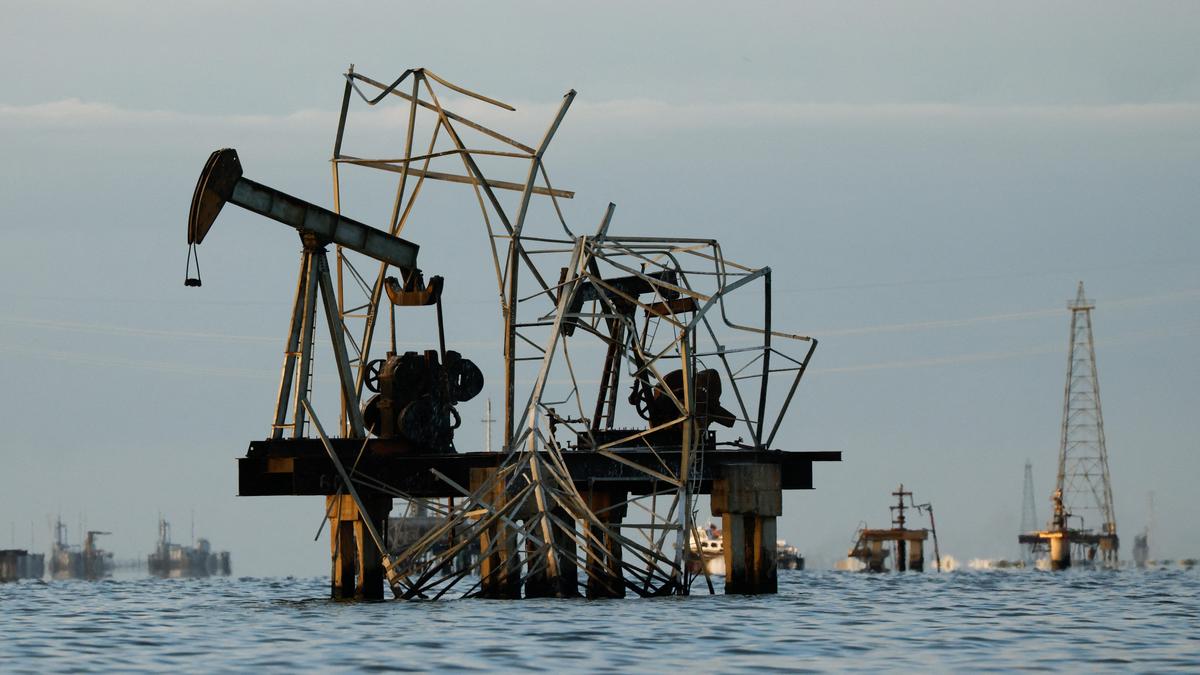
Venezuelan crude oil has long been considered a commodity with substantial potential due to its abundant reserves. However, it is essential to understand the nature of this crude before moving forward with investments. Its high viscosity can create logistical complications in transportation and refining, making it less appealing to purchasers who prioritize ease of processing. Furthermore, the high acid number can lead to corrosion issues within refineries, increasing operational costs and necessitating additional maintenance.
Understanding the Composition
Venezuelan oil is primarily categorized as heavy crude, which implies a greater density and lower API gravity compared to lighter crudes. When discussing heavy crude, it is crucial to appreciate the intricacies involved, particularly the need for more sophisticated extraction and refining methods as opposed to lighter crudes. The challenges posed by this crude are particularly evident to organizations that may lack the relevant infrastructure or technology to handle such oil effectively.
Geopolitical Factors at Play
The potential for Indian investment in Venezuelan oil cannot be divorced from the geopolitical environment. The country has been facing significant political turmoil and sanctions, particularly from the United States. These sanctions impose strict limitations on foreign investments in Venezuela’s oil sector. With Trump’s promises concerning Indian involvement in this domain, it raises questions about how these geopolitical elements will affect the flow of investments.
The Role of Sanctions
Sanctions against Venezuela primarily stem from allegations of human rights abuses and anti-democratic practices by the Maduro regime. The United States has taken a hard stance, and this has substantially impacted the oil sector. Investors must navigate this complex terrain when considering investment opportunities in Venezuelan oil. Engaging with a government that is under scrutiny and facing widespread sanctions presents risks that may deter potential investors, including those in India.
India’s Strategic Interests
For India, investing in Venezuelan oil aligns with its broader energy security strategy. Energy security is crucial for the economic growth of nations, especially those with burgeoning populations and energy demands like India. Access to Venezuelan reserves could offer a long-term solution, diversifying India’s oil imports. Nonetheless, the path forward must be approached with caution given the potential ramifications of political maneuvers and economic sanctions. For more insights on India’s growth, readers can refer to the article on India’s GDP Analysis.
Technical Challenges in Oil Extraction
Investing in Venezuelan oil not only involves geopolitical and financial considerations but also grapples with significant technical challenges. Extracting heavy crude from Venezuela necessitates advanced technology and infrastructure. The extraction process is not straightforward, as heavy crudes often require more intensive methods, such as steam-assisted gravity drainage or the use of diluents to facilitate transport.
Refining Complexities
The key to transforming heavy crude into usable products lies in the refining process. Given its complex properties, refining Venezuelan oil requires specialized facilities equipped to handle high acidity levels and viscosity concerns. Many existing refineries across the globe may not possess the technological capabilities to process such crude effectively. Therefore, significant capital investments will be essential to upgrade facilities or build new ones, presenting an additional challenge for prospective Indian investors. For those interested in technological advancements, the article on AI integration in printmaking provides fascinating insights.
Economic Viability
When evaluating the economic viability of investments in Venezuelan oil, one must consider not only the operational costs involved in extraction and refining but also the fluctuating global oil market. The interplay of supply and demand can significantly impact profitability. Additionally, reduced production levels due to political instability may further exacerbate risks associated with investments in Venezuelan oil.
The Price of Oil
Oil prices have historically experienced volatility, which can significantly affect the attractiveness of investing in heavy crude. Investors must account for these fluctuations, as they can lead to substantial financial losses if market conditions turn unfavorable. The potential for high returns must be weighed against these uncertainties, particularly given the current economic climate and the impact of geopolitical relations. For more information on economic trends, readers can check the recent article discussing economic surveys and trends.
Government Incentives and Partnerships
To mitigate some of these challenges, it would be wise for Indian investors to explore potential partnerships with Venezuelan state-owned enterprises or seek government incentives designed to promote foreign investments. Such strategic alliances can facilitate knowledge transfer and provide access to existing infrastructure, which may reduce initial costs associated with investment.
Bilateral Relations
Strengthening bilateral relations between India and Venezuela could also pave the way for smoother investments. Diplomacy will be crucial in ensuring that political landscapes do not hinder oil ventures, enabling both nations to benefit from the lucrative oil market. Constructive dialogue will help address challenges proactively and facilitate more favorable conditions for investment. For insights on international relations, the article on India-Arab League opportunities discusses potential avenues for collaboration.
Environmental Considerations
In recent years, global attention has increasingly focused on environmental sustainability within the fossil fuel sector. Heavy crude operations have environmental repercussions that cannot be overlooked. The high acid content in Venezuelan oil raises concerns regarding the ecological footprint of extraction and refining processes. For Indian investors, demonstrating a commitment to sustainable practices will be crucial for public relations and compliance with environmental regulations.
Sustainability Practices
Investors should prioritize research and development aimed at sustainable extraction and refining methodologies. Implementing innovative technologies that reduce carbon emissions and environmental degradation will not only enhance operational efficiency but also align with global sustainability standards. This dual focus on profitability and environmental responsibility will be vital in navigating the future of the oil industry. For more on sustainability practices, refer to the discussions on India’s clean energy challenges.
Conclusion
While Trump’s promises regarding Indian investment in Venezuelan oil present opportunities, the challenges inherently linked to the situation must be acknowledged and addressed. The heavy viscosity and high acidity of Venezuelan crude pose significant technical hurdles that require substantial investment in technology and infrastructure. Furthermore, geopolitical tensions and sanctions complicate the landscape, presenting additional risks for investors.
As Indian companies consider entering this market, a comprehensive approach that incorporates an understanding of geopolitical, technical, economic, and environmental factors will be essential. By navigating these challenges strategically, investors can capitalize on the valuable assets that Venezuelan oil represents while also playing a role in shaping the future of energy security in India.
