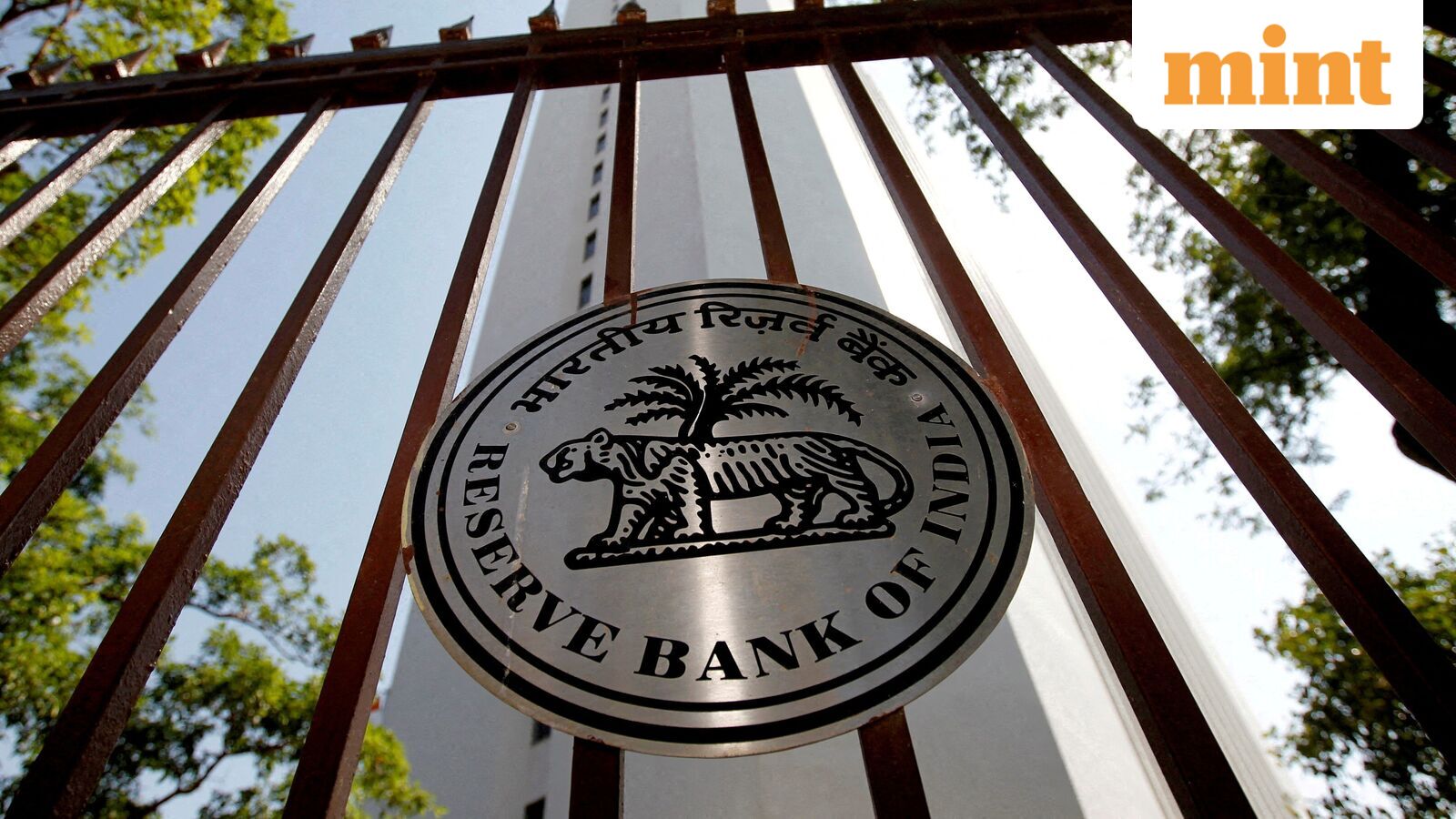
It is not often that the Reserve Bank of India (RBI) governor’s statement on monetary policy includes an announcement that directly touches the lives of Indians at large. Repo rate changes and liquidity measures—the stuff that such statements are usually made of—are one stage removed, as their impact plays out through the banking system.
This time, however, citizens were direct beneficiaries of a proposal aimed at better customer protection.
On Friday, Governor Sanjay Malhotra said that RBI would introduce a framework to compensate bank customers up to ₹25,000 each for losses incurred in fraudulent transactions of small value. These constitute roughly 65% of online frauds in India.
Notably, victims would not be asked any questions in such cases, so the scheme is expected to cover even those who disclose an OTP—the one-time password used by banks to confirm a customer’s identity. While victims and their banks will each be required to bear 15% of the transaction value, RBI will pay the rest from its Depositor Education and Awareness Fund.
Draft guidelines are to be issued soon. Before the central bank does that, however, it should pause and reconsider the proposal. Is it rushing into an area beyond its remit with an idea best left to the government?
Given the gravity of the problem, nobody can quarrel with RBI’s intent. In the last six years alone, nearly ₹53,000 crore has been lost to cyber-crime. Whether this is an appropriate bank-regulatory answer to the menace, though, is unclear.
Safety measures such as lagged credits and additional authentication for vulnerable user classes (like senior citizens), plus improved financial literacy and public education, apart from the use of loss insurance, may comprise a better approach. Perhaps banks could also be nudged to minimize the frequency of their app redesigns, complex upgrades of which can confuse UPI users.
True, both the government and RBI have been doing a great deal to spread awareness and protect citizens from cyber fraud. Recently, RBI proposed a discussion paper on how best to enhance the safety of digital payments. Yet, their efforts so far do not seem to have had the desired effect, going by the growing incidence of such crimes.
It is another matter that law enforcers have largely proven ineffective in tracking down fraud perpetrators and bringing them to book.
The RBI proposal of a compensatory mechanism presents a domain-overlap problem. Central banks should not allow their hearts to rule their heads. Their primary mandate is to maintain price stability, with the objective of growth-support a close second or parallel priority.
In India, the central bank already has plenty on its plate. Apart from being the issuer of currency and our monetary authority, RBI is also the banker to the Union and state governments (as well as banks), regulator of the banking sector, manager of foreign exchange and supervisor of our system for payments and settlements. In addition, it has a developmental role.
Experience has shown that the narrower their remit, the better the performance of central banks. Federal Reserve Chair Jerome Powell put it well. Speaking in the context of the US central bank’s role in fighting climate change, he said the Fed should not “wander off to pursue perceived social benefits that are not tightly linked to its statutory goals and authority.” These, he added, are best left to elected branches of government. India’s Reserve Bank, likewise, would be best served by sticking to its knitting.
#RBI #compensate #victims #digital #fraudor #leave #policy #matters #government