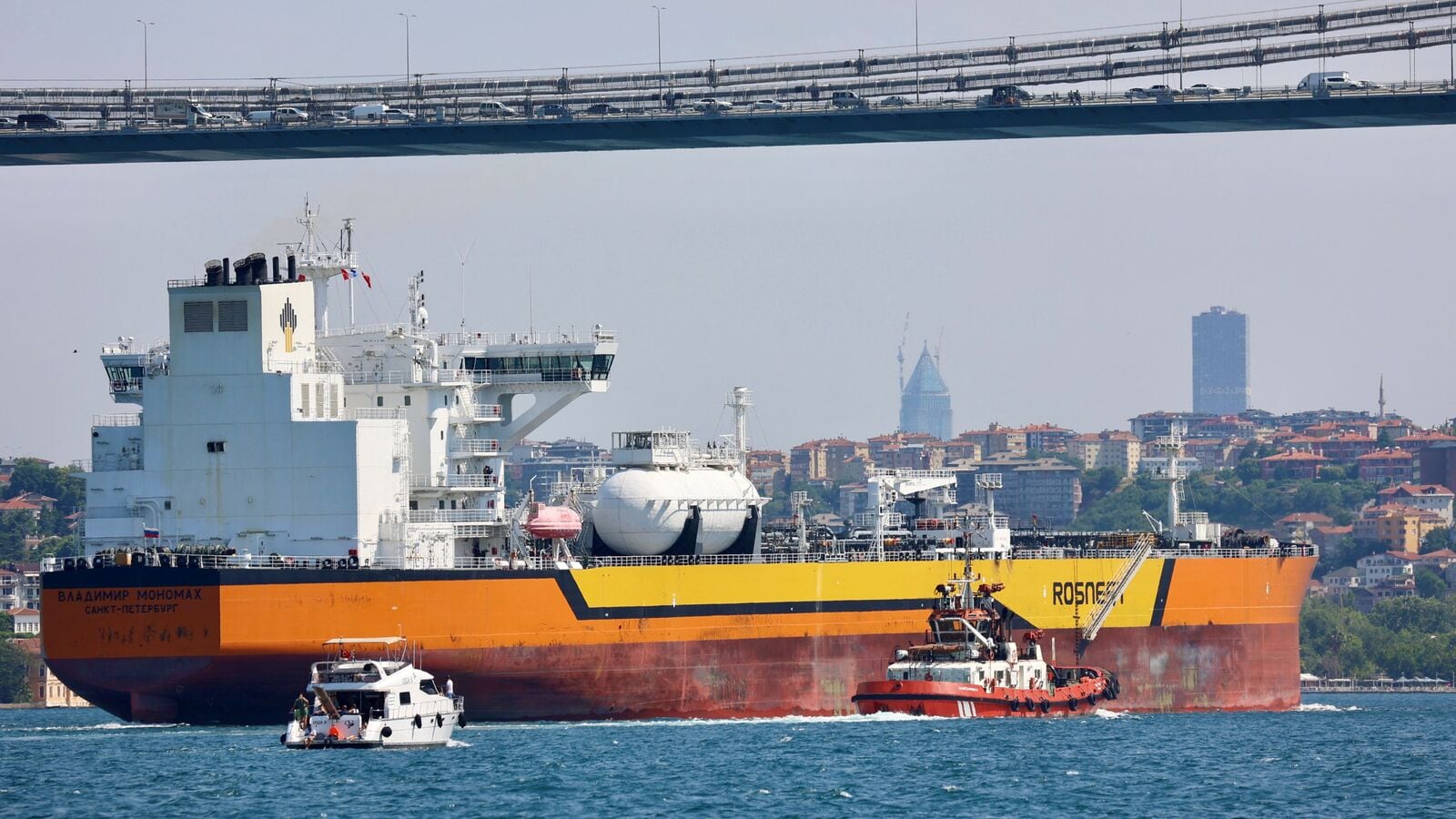
Introduction to India Russian Oil Rupee
The landscape of global energy trade has witnessed a significant transformation, particularly in the wake of geopolitical realignments and economic pressures. Among the most pivotal developments is the evolving relationship between India and Russia concerning oil trade, with a distinct emphasis on the role of the Indian Rupee in these transactions. This dynamic, often encapsulated by the phrase **India Russian oil rupee**, represents a crucial pivot in international commerce, driven by the necessity for both nations to navigate a complex global financial system. India, a rapidly growing economy with substantial energy demands, has historically sought diverse energy sources. Russia, a major oil producer, has, in recent times, sought new markets and alternative payment mechanisms due to Western sanctions. The convergence of these needs has propelled the **India Russian oil rupee** trade into the spotlight, making it a subject of intense scrutiny and strategic importance. This article will delve into the various facets of this unique arrangement, exploring its historical underpinnings, current practices, geopolitical ramifications, and future trajectory.
Historical Context
While the recent surge in **India Russian oil rupee** trade is a contemporary phenomenon largely influenced by current geopolitical events, the energy partnership between India and Russia has roots that predate the current global climate. Historically, India has maintained a strong diplomatic and strategic relationship with Russia, encompassing defense, space, and energy cooperation. India’s energy security has always been a paramount concern, given its status as the world’s third-largest oil consumer. For decades, India has diversified its oil imports, relying heavily on traditional suppliers from the Middle East. However, the pursuit of stable, affordable, and diversified energy sources has consistently been a foreign policy objective for New Delhi.
Before 2022, Russia was not a primary oil supplier to India. While energy discussions and agreements were part of the broader bilateral dialogue, the scale of oil trade was relatively modest compared to the volumes witnessed today. The relationship was characterized by long-term strategic partnerships rather than immediate, large-scale commodity transactions. For instance, cooperation extended to sectors like nuclear energy, with Russia assisting India in building power plants, signifying a deeper, technological energy partnership rather than just trade in crude. However, the geopolitical shifts post-February 2022 drastically altered this dynamic, creating an impetus for the unprecedented rise of the **India Russian oil rupee** trade. The need to circumvent traditional payment systems and secure discounted oil supplies led to a rapid escalation in oil imports from Russia, fundamentally changing the historical contours of their energy relationship and laying the groundwork for the prominence of rupee-denominated transactions.
Current Oil Trade Practices Between India and Russia
The oil trade between India and Russia has seen significant shifts, particularly in payment mechanisms, largely influenced by geopolitical developments. India has emerged as a major buyer of Russian oil, and a notable aspect of this trade is the increasing role of the Indian Rupee in settlements, central to the **India Russian oil rupee** dynamic.
**Payment Methods and the Role of the Rupee**
Traditionally, international oil trade is predominantly settled in U.S. Dollars. However, due to sanctions against Russia following events in 2022, both India and Russia have explored alternative payment mechanisms to ensure the continuity of their trade relationship. This has led to an increased emphasis on bilateral currency settlements, with the Indian Rupee playing a more prominent role. The primary motivation for this shift is to bypass the Western financial system, which has imposed extensive sanctions on Russian banks and entities.
The Reserve Bank of India (RBI) introduced a mechanism in July 2022 to facilitate international trade in Indian Rupees, specifically aiming to promote the rupee for cross-border transactions and reduce reliance on traditional hard currencies like the U.S. Dollar. This mechanism allows Indian importers to pay in rupees, which are then credited to a Vostro account of the correspondent bank of the partner country (in this case, Russia). Similarly, Indian exporters can receive payments in rupees from the Vostro accounts of the Russian banks. This system is designed to create a self-sustaining loop for bilateral trade, lessening the impact of external financial restrictions. The emergence of this mechanism underscores the strategic importance of the **India Russian oil rupee** relationship in a multipolar world.
While this rupee-denominated trade aims to streamline transactions and circumvent Western financial sanctions, several challenges have emerged that complicate the seamless operation of the **India Russian oil rupee** mechanism:
* **Rupee Accumulation by Russia:** A primary challenge is the accumulation of significant amounts of Indian Rupees by Russia. Since India imports far more from Russia (primarily oil) than it exports to Russia, there’s a substantial trade imbalance. This leaves Russian entities with large rupee balances that cannot be fully utilized to purchase goods and services from India, as India’s exports to Russia are comparatively low. This surplus of rupees poses a dilemma for Russia, as converting these rupees into other currencies can be difficult and costly due to sanctions and market limitations. Reports from Reuters indicate that the **India Russian oil rupee** trade is “stuck” due to this lack of rupee utilization, with billions of rupees accumulating in Indian banks [Reuters]. This imbalance necessitates a solution to prevent the rupee from becoming a “dead asset” for Russia.
* **Convertibility Issues:** The Indian Rupee is not fully convertible on the capital account, which can make it challenging for Russia to convert large rupee holdings into other currencies like Chinese Yuan or UAE Dirham, or to repatriate them to Russia. This limits the utility of the accumulated rupees for Russia. The limited convertibility restricts Russia’s ability to diversify its financial holdings or use the rupees for global transactions outside India, making the accrued funds less liquid and useful than desired [Business Standard]. The challenge of convertibility directly impacts the sustainability of the **India Russian oil rupee** trade model.
* **Bank Hesitation:** Some Indian banks have reportedly been hesitant to process rupee trade transactions due to concerns about potential secondary sanctions from Western countries, even though the mechanism is designed to be compliant with international regulations. This reluctance stems from a cautious approach to avoid any actions that might trigger punitive measures from the U.S. or European Union, underscoring the delicate balance India must strike between its economic interests and geopolitical pressures.
**Potential Solutions**
To address these challenges and make the rupee settlement mechanism more viable for the **India Russian oil rupee** trade, several solutions have been proposed or are being explored:
* **Increased Indian Exports to Russia:** A long-term solution involves boosting India’s exports to Russia to balance the trade deficit. This would allow Russia to utilize its accumulated rupee balances to purchase Indian goods and services, making the rupee a more attractive currency for settlement. India could export a range of goods, including pharmaceuticals, machinery, agricultural products, and consumer goods, to help absorb the accumulated rupees. Such a strategy would transform the **India Russian oil rupee** trade from a unilateral import relationship into a more balanced bilateral exchange.
* **Investment Opportunities in India:** Russia could potentially invest its surplus rupee funds in Indian assets, such as government bonds or infrastructure projects. This would provide an avenue for Russia to utilize its rupee holdings and also contribute to India’s economic development. Investing in Indian equity markets or joint ventures could also be explored, offering Russia a way to gain returns on its rupee holdings while contributing to India’s economic growth.
* **Third-Country Trade:** Exploring mechanisms for Russia to use its rupee balances to facilitate trade with other countries that are willing to accept rupees or have a need for them could be another solution. This would require broader international acceptance and mechanisms for rupee convertibility, possibly through a multilateral framework or a clearing house system involving other BRICS nations or countries within the Global South [WorldGossip.net – BRICS Global South]. Such a mechanism would significantly enhance the utility of the rupee in the context of the **India Russian oil rupee** trade.
* **Diversification of Payment Methods:** While the rupee mechanism is in focus, both countries may continue to explore other alternative payment methods, including those involving currencies of other friendly nations or potentially new digital payment systems, to enhance trade flexibility. The Indian Express notes the significance of the rupee-rouble trade for oil between India and Russia in navigating geopolitical complexities [The Indian Express]. This implies that while the rupee is a key player, other non-dollar alternatives might also be considered to ensure resilient trade flows.
The evolving landscape of India-Russia oil trade highlights the ongoing efforts to navigate a complex geopolitical environment and establish alternative financial channels. The success of the rupee settlement mechanism will depend on addressing the current imbalances and increasing avenues for the utilization of accumulated rupee funds, thus solidifying the future of **India Russian oil rupee** transactions.
Geopolitical Implications
The emergence and expansion of the **India Russian oil rupee** trade carry significant geopolitical implications, reshaping global energy markets, influencing foreign policy trajectories, and contributing to broader shifts in the international financial order. This bilateral arrangement is not merely an economic transaction; it is a strategic move that reflects and reinforces a changing global power dynamic.
Firstly, the **India Russian oil rupee** trade directly impacts global energy markets by diversifying supply chains and challenging the traditional dominance of the U.S. dollar in oil transactions. As India, a major energy consumer, secures a substantial portion of its oil from Russia using non-dollar payments, it reduces the demand for dollars in global energy trade. This contributes to the broader de-dollarization trend, especially among nations that seek to reduce their vulnerability to Western financial sanctions. The sheer volume of oil involved in this trade means that even a partial shift away from the dollar can have ripple effects, potentially influencing currency valuations and the stability of the petrodollar system. It demonstrates that large-scale energy transactions can occur outside the established dollar-centric framework, prompting other nations to explore similar alternative arrangements.
Secondly, the **India Russian oil rupee** dynamic has profound implications for India’s foreign policy. India has historically pursued a policy of strategic autonomy, maintaining good relations with multiple global powers. Its decision to continue purchasing Russian oil, despite Western pressure, underscores this principle. By securing discounted oil, India prioritizes its energy security and economic stability, which are critical for its domestic development and geopolitical standing. This move allows India to maintain a diversified foreign policy, balancing its relationships with Western countries against its strategic ties with Russia. It signals India’s growing confidence in asserting its own interests on the global stage, even when they diverge from those of its traditional partners. This balancing act is crucial for India’s rise as a global power, demonstrating its ability to navigate complex geopolitical waters while safeguarding its national interests.
Thirdly, for Russia, the **India Russian oil rupee** trade is a vital lifeline amidst sweeping Western sanctions. It provides a crucial market for its oil exports, ensuring a source of revenue that would otherwise be severely curtailed. This trade allows Russia to reorient its energy exports away from Europe and towards Asian markets, accelerating its “pivot to the East.” The success of the rupee payment mechanism, despite its challenges, offers a template for Russia to engage in trade with other non-Western countries using local currencies, thereby mitigating the impact of financial sanctions. This strengthens Russia’s strategic resilience and its ability to withstand pressure from the U.S. and its allies, reinforcing its position in a multipolar world order.
Finally, the **India Russian oil rupee** trade strengthens the cohesion and influence of emerging economic blocs like BRICS. Both India and Russia are key members of BRICS, a group that advocates for a more equitable and multipolar global financial system. The practical implementation of rupee-rouble trade for oil demonstrates the feasibility of inter-BRICS trade using national currencies, further empowering the group’s agenda for de-dollarization and the creation of alternative financial architectures [WorldGossip.net – BRICS Global South]. This initiative could inspire other BRICS members and nations in the Global South to adopt similar bilateral currency arrangements, potentially leading to a more fragmented but resilient global financial system less reliant on a single dominant currency. The geopolitical implications, therefore, extend beyond the bilateral relationship, potentially catalyzing broader shifts in international trade, finance, and diplomatic alignments.
Future Prospects
The future trajectory of India and Russia’s oil trade, particularly in the context of the **India Russian oil rupee** mechanism, is poised for significant evolution, driven by ongoing geopolitical shifts and a growing emphasis on alternative payment mechanisms. This evolving relationship could have considerable implications for the global oil landscape and the broader international financial system.
One of the most notable potential changes lies in the increased adoption of non-dollar currencies for transactions. As nations within blocs like BRICS seek to reduce reliance on the US dollar, the use of national currencies, such as the Indian Rupee and the Russian Ruble, or even a new BRICS-backed currency, could become more prevalent in their oil trade. This move aligns with a broader global trend of de-dollarization, particularly among countries looking to circumvent Western sanctions or diversify their financial systems. The increasing influence of groups like BRICS also points towards a more multipolar world order in economic and financial matters [WorldGossip.net – BRICS Global South]. The continued success, or even incremental improvement, of the **India Russian oil rupee** system will serve as a critical case study and potential blueprint for other nations considering similar moves.
For India, this shift presents an opportunity to secure a stable supply of crude oil at potentially favorable terms, further strengthening its energy security. The ability to pay in rupees for a substantial portion of its oil imports reduces its foreign exchange outgo and minimizes exposure to currency fluctuations against the dollar. This strategic advantage could enhance India’s economic resilience and allow it greater flexibility in its energy procurement policies. As India continues its rapid economic growth, ensuring affordable and reliable energy supplies will remain a top priority, making the **India Russian oil rupee** avenue highly attractive for the foreseeable future.
For Russia, the future of the **India Russian oil rupee** trade means solidifying new markets and payment systems in the face of persistent Western sanctions. India has become an indispensable market for Russian energy exports, and the success of rupee-denominated trade reinforces Russia’s strategy of pivoting its economic ties towards Asia. This continued strong bilateral trade in energy resources could lead to several significant outcomes:
* **Diversification of Global Oil Markets**: A sustained shift away from traditional Western-dominated markets could create more fragmented, yet resilient, regional oil trade networks. This would involve a remapping of supply routes and a decentralization of pricing benchmarks, potentially diminishing the influence of established energy trading hubs. The **India Russian oil rupee** trade is a prime example of such diversification.
* **Challenges to the Petrodollar System**: While the US dollar is likely to remain a dominant force for the foreseeable future, increased non-dollar oil transactions could gradually erode its singular influence, fostering a more diversified global financial architecture. The ongoing challenges in converting accumulated rupees for Russia will push both countries to innovate and potentially create more robust, multi-currency settlement systems, further chipping away at dollar dominance. The long-term viability of **India Russian oil rupee** transactions will depend on addressing these convertibility issues.
* **Increased Regional Economic Blocs**: The deepening energy ties between India and Russia may encourage further integration and cooperation within existing and emerging economic blocs. This could lead to new trade routes, infrastructure development (e.g., pipelines, shipping lanes), and even the formation of new financial institutions or clearing mechanisms that support non-dollar trade within these blocs. The **India Russian oil rupee** arrangement could serve as a foundational element for broader intra-BRICS economic cooperation.
The long-term implications suggest a recalibration of power dynamics in the global oil market, with a potential increase in the influence of Asian economies and a more diversified approach to international trade and finance. The success and expansion of the **India Russian oil rupee** framework will be a key indicator of these evolving trends, demonstrating the potential for alternative financial ecosystems to thrive in a multipolar world.
Conclusion
The rupee-rouble trade mechanism for oil between India and Russia has emerged as a significant development, allowing both nations to navigate geopolitical complexities and economic pressures. For India, this arrangement has been crucial in securing discounted crude oil, ensuring energy security, and reducing its reliance on the US dollar for international transactions, especially in the wake of sanctions against Russia [The Indian Express]. This shift aligns with broader global trends towards de-dollarization, as various nations explore alternative currency arrangements for trade [WorldGossip.net – BRICS Global South]. The **India Russian oil rupee** trade epitomizes a strategic move towards greater financial autonomy and diversification of energy sources for India, solidifying its economic stability and supporting its ambitious growth targets.
On the Russian side, the rupee trade has provided a vital avenue to continue oil exports despite Western sanctions, finding a new and substantial market for its energy resources. This has allowed Russia to maintain critical export revenues and reorient its economic ties towards the East. However, the mechanism is not without its hurdles. A primary challenge is the significant trade imbalance, with India’s imports from Russia far outweighing its exports, leading to an accumulation of rupees in Russian banks [Reuters]. The limited convertibility of the rupee and the difficulty for Russia to utilize these accumulated funds within India or elsewhere remains a persistent issue, prompting discussions on how to re-balance trade or repatriate funds [Business Standard]. These challenges inherent in the **India Russian oil rupee** mechanism highlight the complexities of establishing new financial pipelines outside traditional frameworks.
Despite these operational challenges, the **India Russian oil rupee** trade underscores a strategic recalibration in international commerce. It highlights a growing willingness among nations to forge bilateral currency arrangements that circumvent traditional financial systems, signaling a potential shift in the global economic landscape. This relationship’s evolution will continue to be a key indicator of how countries adapt to a multipolar world order and pursue economic resilience through diversified trade mechanisms. The ongoing efforts to refine this mechanism, address the trade imbalances, and explore new avenues for rupee utilization will define the future sustainability of this crucial bilateral trade, ultimately shaping broader trends in international finance and geopolitics.
