When discussing the complex dynamics between global powers, the concept of **India US trade weapon** comes sharply into focus, highlighting how economic policies are wielded for strategic advantage.
Beyond Tariffs: Understanding Trade as a Geopolitical Tool
Trade has evolved far beyond simple economic exchange; it is now a powerful instrument in the geopolitical arena, enabling nations to project influence and pursue strategic objectives without resorting to traditional military means. Economic policies and commercial relationships are increasingly utilized as foreign policy tools, shaping global power dynamics and fostering both cooperation and conflict. The notion of trade as an **India US trade weapon** underscores this strategic shift.
One significant way trade acts as a geopolitical tool is through the imposition of tariffs. While tariffs are often seen as protective measures for domestic industries, they can also serve as leverage in international disputes, forcing concessions or penalizing undesirable actions. For instance, recent administrations have employed tariffs on various goods to pressure trading partners on issues ranging from intellectual property rights to human rights concerns. This approach can, however, have unintended economic consequences for all parties involved, impacting everything from consumer prices to supply chains, demonstrating the double-edged nature of using trade as a leverage point. The impact can extend to global economic stability, influencing investment flows and the relocation of manufacturing bases. Nations carefully weigh the potential economic fallout against their strategic gains when deploying such measures.
Beyond tariffs, the control and restriction of strategic goods and technologies have become a critical aspect of trade as a geopolitical tool. Nations implement export controls on advanced technologies, such as semiconductors, artificial intelligence components, and sensitive defense equipment, to limit rivals’ military and economic capabilities. These controls are not merely about economic competition; they are often rooted in deep national security concerns. The recent arrests of Chinese nationals for allegedly shipping AI chips to China underscore the intense competition for technological superiority and the use of legal and economic measures to maintain a strategic advantage. This practice aims to prevent adversarial nations from acquiring technologies that could be used for military modernization, espionage, or to undermine national interests. Such restrictions highlight how access to critical technology becomes a powerful **India US trade weapon**, influencing global power balances. The intricate web of global supply chains means that even seemingly minor restrictions can have cascading effects, disrupting industries and forcing companies to rethink their production strategies.
Furthermore, trade agreements themselves are often crafted with geopolitical considerations in mind. Alliances are solidified through preferential trade access, while exclusion from certain blocs can signal diplomatic displeasure or a lack of trust. The establishment of trade routes and infrastructure projects, such as China’s Belt and Road Initiative, also serves a dual purpose of economic development and expanding geopolitical reach, demonstrating how economic connectivity can translate into political influence. Countries actively seek to integrate their economies with like-minded partners to build resilience and create spheres of influence. These strategic trade partnerships can involve not just goods and services but also the harmonization of regulatory standards, leading to deeper economic integration and mutual dependence.
In essence, trade policies are no longer solely about economic efficiency; they are integral to a nation’s foreign policy toolkit. Understanding this evolving role of trade is crucial for comprehending the complex interplay of economics and power on the global stage. The ability to control market access, regulate technology transfer, and shape global supply chains provides nations with immense leverage. This strategic deployment of economic tools can range from imposing targeted sanctions on specific sectors or individuals to using trade incentives to foster alliances. The ongoing global competition for technological leadership and resource control further amplifies the role of trade as a strategic instrument. For more insights into how economic policies influence international relations, explore our articles on Oil Price, Russia Sanctions, and Global Shift or US-China Emissions: A Climate Dynamic. These examples further illustrate how economic levers are employed to achieve broader geopolitical objectives, making the concept of an **India US trade weapon** a key analytical framework.
A Tumultuous History: Key Trade Disputes and Resolutions Between India and the US
A history of trade relations between India and the United States has often been marked by friction, with both nations employing trade measures to achieve specific objectives or exert pressure. These disputes, while sometimes resolved, have highlighted underlying economic and geopolitical tensions, at times making trade feel like an **India US trade weapon**. Understanding these historical flashpoints is crucial for appreciating the current landscape of their economic ties.
Intellectual Property Rights: A Persistent Bone of Contention
One significant point of contention has been related to India’s intellectual property (IP) regime. The U.S. has consistently expressed concerns over what it perceives as weak IP enforcement in India, particularly regarding patents and copyrights across various sectors, including pharmaceuticals, software, and entertainment. This led to India being placed on the U.S. Trade Representative’s (USTR) “Priority Watch List” for many years under its “Special 301 Report,” indicating concerns about intellectual property rights protection and enforcement in various countries Source: USTR. This classification often comes with the threat of sanctions or other trade actions, although direct retaliatory tariffs specifically over IP have been rare. The U.S. arguments often center on the need to protect American innovation and ensure fair market access for its patented products, while India emphasizes its right to ensure affordable access to medicines and promote domestic innovation under its patent laws. This divergence in philosophy has been a recurring source of friction, demonstrating how IPR can be a significant point of leverage.
Agricultural Subsidies and Market Access: The Battle for Farm Produce
Another major area of disagreement has been agricultural subsidies and market access. The U.S. has often criticized India’s high tariffs on agricultural products and its domestic support programs for farmers, which it views as distorting trade and limiting market opportunities for American farmers Source: Council on Foreign Relations. India’s minimum support price (MSP) schemes and other subsidies, while crucial for its vast agricultural sector and food security, have been viewed by the U.S. as non-tariff barriers. Conversely, India has raised concerns about U.S. agricultural subsidies, arguing that they create an unfair playing field for Indian farmers in international markets. These disputes highlight the challenges of balancing domestic economic priorities with international trade obligations, particularly in sectors as politically sensitive as agriculture. The agricultural trade balance and market access for products like dairy, poultry, and almonds have frequently come up in bilateral discussions.
Generalized System of Preferences (GSP) and Retaliatory Tariffs
More recently, in 2019, a significant escalation occurred when the U.S. terminated India’s designation as a beneficiary developing country under the Generalized System of Preferences (GSP) program. This move eliminated duty-free treatment for approximately $5.6 billion worth of Indian exports to the U.S. Source: USTR. The U.S. justified this decision by stating that India had not assured the U.S. that it would provide “equitable and reasonable access to its markets,” specifically citing concerns over market access for American medical devices and agricultural products. India, in response, imposed retaliatory tariffs on 28 U.S. products, including walnuts, almonds, and apples Source: Reuters. While this dispute created significant bilateral tension and impacted various industries, both countries have since engaged in discussions to resolve these trade irritants, although a full restoration of GSP benefits for India has not yet occurred. This episode clearly demonstrated how economic leverage can be applied, making trade policies feel like an **India US trade weapon**.
Digital Services Taxes and Data Localization
Furthermore, disputes have arisen over digital services taxes and data localization policies, reflecting the growing importance of the digital economy. India’s imposition of an “equalisation levy” on digital services provided by non-resident companies has been a point of contention, with the U.S. viewing it as discriminatory towards American tech giants operating in India Source: USTR. Simultaneously, India’s push for data localization, requiring foreign companies to store Indian users’ data within the country, has raised concerns in the U.S. about increased operational costs and potential barriers to cross-border data flows. Discussions continue within international forums like the OECD to find a multilateral solution to the taxation of the digital economy, underscoring the global nature of these modern trade challenges.
Despite these historical disagreements, both countries have also demonstrated a willingness to engage in dialogue and find resolutions. High-level visits, ministerial dialogues, and various trade policy forums serve as platforms to address these issues and strengthen overall economic cooperation. The ongoing efforts to enhance defense ties and critical technology partnerships also underscore a broader strategic alignment that often overshadows specific trade irritants, indicating a desire to build a comprehensive relationship where trade is a tool for cooperation rather than just an **India US trade weapon**. The strategic convergence, particularly in the Indo-Pacific region, provides a strong incentive for both nations to manage their trade differences constructively.
The Current Battleground: Tariffs, Market Access, and Intellectual Property
The trade relationship between India and the United States, while significant, is frequently marked by ongoing disputes concerning tariffs, market access, and intellectual property rights. These areas form the core “battleground” in their contemporary economic interactions, often showcasing how each side attempts to use trade as an **India US trade weapon** for advantage.
Tariffs on Specific Goods: The Reciprocal Dance of Duties
Both nations have, at various times, imposed tariffs on a range of goods, leading to friction and impacting bilateral trade flows. For instance, the US has consistently expressed concerns over India’s import duties on certain agricultural products, such as almonds, apples, and pulses, and industrial goods, including motorcycles and medical devices, which are seen as significant barriers to trade for American businesses. These tariffs inflate the cost of U.S. exports, making them less competitive in the Indian market. Conversely, India has also voiced strong objections to US tariffs on its exports, such as steel and aluminum, which were imposed under national security grounds (Section 232 tariffs). These duties impact the competitiveness of Indian goods in the U.S. market and can lead to retaliatory measures, affecting producers and consumers in both countries. The constant negotiation over tariff levels reflects a strategic attempt to protect domestic industries while simultaneously seeking greater market access abroad. The impact of these tariffs extends beyond immediate price changes, influencing investment decisions, supply chain resilience, and the overall competitiveness of industries.
Market Access for Agricultural and Industrial Products: Opening the Doors
A persistent area of contention involves market access. The U.S. has frequently sought greater access to the Indian market for its agricultural products, citing sanitary and phytosanitary (SPS) measures, import licenses, and other non-tariff barriers as impediments. For example, specific regulations on dairy products or the approval process for certain agricultural biotechnology products have been points of frustration for U.S. exporters. Similarly, for industrial products, differing regulatory standards, local content requirements (e.g., in electronics manufacturing or solar energy projects), and procurement policies in India have been points of discussion, viewed as creating hurdles for American companies. India, on the other hand, seeks easier access for its industrial and service sector exports to the U.S. market, particularly in areas like IT services, textiles, and engineering goods. It often advocates for a more streamlined visa process for its professionals, which it views as a market access issue for its services exports. Achieving equitable market access is seen as crucial for realizing the full potential of the bilateral trade relationship.
Intellectual Property Rights (IPR) Concerns: Innovation and Access
Intellectual property rights remain a critical and often sensitive issue, serving as a powerful, albeit subtle, **India US trade weapon**. The U.S. has consistently highlighted its concerns regarding India’s IPR regime, particularly in areas like pharmaceuticals, copyrighted materials (e.g., software, films, music), and patented technologies. These concerns often revolve around issues such as:
* **Patent Enforcement:** Allegations of weak patent enforcement, compulsory licensing provisions (which allow the government to permit a third party to produce a patented product or process without the consent of the patent owner), and pre-grant opposition mechanisms that the U.S. argues can hinder innovation and fair competition for American companies.
* **Data Protection:** Concerns over the lack of adequate data exclusivity provisions for pharmaceutical and agricultural chemical products.
* **Counterfeit Goods:** The prevalence of counterfeit and pirated goods in the Indian market, impacting various industries from luxury brands to entertainment.
American companies argue that these issues deter investment and transfer of advanced technologies to India. India, while strengthening its IPR framework and updating its laws to align with international standards, emphasizes the need for a balanced approach that supports public health (e.g., through access to affordable generic medicines) and promotes domestic innovation and research. This fundamental difference in perspective on IPR continues to be a central challenge in trade negotiations.
Addressing these complex issues requires continuous dialogue and negotiation to foster a more open, transparent, and equitable trade environment. Progress in these areas is essential for building a more robust and predictable trade relationship, moving beyond a state where trade disputes frequently arise. Both nations recognize that a stable and growing trade relationship benefits their respective economies and contributes to broader strategic objectives. For more insights into India’s economic landscape, consider reading about India’s Banking Margins or India’s Clean Energy Transition.
Economic Leverage: How Each Nation Wields its Trade Power
Both India and the United States leverage distinct economic strengths and trade policy tools to advance their interests in bilateral relations. These strategies are crucial for gaining advantages and negotiating concessions in the global marketplace, often turning trade into an **India US trade weapon** in strategic engagements.
India’s Economic Leverage: Market Size and Growing Manufacturing Prowess
India’s primary economic leverage stems from its vast and growing domestic market, a significant consumer base that makes it an attractive destination for foreign investment and a crucial trading partner for many nations. With over 1.4 billion people, India represents an enormous potential for consumption and a burgeoning middle class. As one of the world’s fastest-growing major economies, India’s Gross Domestic Product (GDP) growth provides substantial bargaining power, particularly in sectors like technology, manufacturing, and services [Source: The Economic Times]. Its demographic dividend, with a large young workforce, further enhances its long-term economic prospects and appeal as a manufacturing hub.
Key trade policy tools employed by India include:
* **Tariffs and Import Duties:** India has historically used tariffs to protect domestic industries, nurture nascent sectors, and promote local manufacturing, influencing import volumes and encouraging foreign companies to establish production facilities within the country to circumvent these duties. This strategy aims to build self-reliance and reduce dependence on imports. While sometimes a point of contention with trading partners, these tariffs are a significant lever for India to shape its industrial landscape and trade balance.
* **Production-Linked Incentive (PLI) Schemes:** These schemes offer incentives (e.g., financial subsidies, tax breaks) to companies for increasing domestic production, particularly in strategic sectors like electronics, pharmaceuticals, automobiles, and specialty steel. This not only boosts local manufacturing capacity and job creation but also attracts global players to invest and produce in India, strengthening its position in global supply chains [Source: Invest India]. This drive for self-reliance is evident in areas like smartphone production, as seen in the increasing manufacturing of iPhones in India (India US Apple Smartphones: A Production Shift), significantly shifting global production bases and demonstrating India’s growing industrial power.
* **Regulatory Frameworks and Local Content Requirements:** India often uses its regulatory environment to steer trade and investment, ensuring compliance with its national priorities, such as promoting domestic content in infrastructure projects or requiring technology transfer for certain investments. These policies, while sometimes perceived as trade barriers, are critical for India to achieve its development goals and enhance its technological capabilities. They also provide leverage in negotiations, as foreign companies seek access to the Indian market.
United States’ Economic Leverage: Global Economic Dominance and Technological Prowess
The United States wields immense economic leverage due to its position as the world’s largest economy, its significant technological advancements, and the global dominance of the U.S. dollar [Source: Council on Foreign Relations]. The U.S. dollar’s role as the primary reserve currency, the main currency for international trade and finance, gives the U.S. unique influence over global financial markets and trade flows, enabling it to exert significant economic pressure when needed. Its strong innovation ecosystem, particularly in high-tech sectors, further solidifies its economic power.
The U.S. deploys a range of trade policy tools, including:
* **Sanctions and Export Controls:** The U.S. frequently uses economic sanctions against countries, entities, or individuals to achieve foreign policy objectives, restricting access to the vast U.S. market and financial system. Export controls, particularly on sensitive and dual-use technologies (technologies with both civilian and military applications), are also critical tools to protect national security interests and maintain technological superiority. These measures can severely impact the economic viability of targeted nations or companies, making them potent instruments in geopolitical competition.
* **Trade Agreements: Bilateral and Multilateral:** The U.S. actively negotiates bilateral and multilateral trade agreements to open markets for its goods and services, enforce intellectual property rights, and establish favorable trade rules for American businesses globally. These agreements often go beyond tariff reductions to include provisions on labor standards, environmental protection, and digital trade, shaping global trade norms.
* **Tariffs and Trade Remedies:** Similar to India, the U.S. employs tariffs, often as a retaliatory measure against what it perceives as unfair trade practices (e.g., dumping, subsidies) or to protect domestic industries from foreign competition. The imposition of tariffs on goods, such as aluminum, can have significant cost implications globally Rio Aluminum Tariff Cost Insights, affecting supply chains and consumer prices worldwide. The approach to global trade can be seen as a turbulent legacy, especially under certain administrations Trump Global Trade: A Turbulent Legacy, which have emphasized aggressive use of tariffs as a bargaining chip. This demonstrates how even for the world’s largest economy, tariffs can be a sharp **India US trade weapon**.
* **Investment Review Mechanisms:** Bodies like the Committee on Foreign Investment in the United States (CFIUS) review foreign investments in the U.S. for national security implications, providing another layer of economic control. This mechanism allows the U.S. to block or modify foreign investments that could pose risks to its critical infrastructure, sensitive technologies, or defense industrial base.
Both nations strategically deploy these tools to secure favorable trade terms, protect domestic industries, assert their influence on the global economic stage, and achieve broader strategic objectives, creating a dynamic and often complex bilateral relationship where the power of an **India US trade weapon** is clearly visible. The skillful application of these levers determines the outcomes of trade negotiations and the overall trajectory of their economic engagement.
The Road Ahead: Navigating Strategic Imperatives and Trade Futures
The evolving trade relationship between India and the United States holds significant implications for both regional and global geopolitics. As major economic powers and leading democracies, their collaborative and competitive dynamics will shape future alliances, influence international trade policies, and redefine the global economic order. The future trajectory will depend on how effectively they navigate existing frictions and leverage their shared strategic interests, moving beyond the mindset of trade as solely an **India US trade weapon**.
Historically, India and the US have fostered a growing economic partnership, with trade in goods and services increasing steadily over the past two decades. This relationship is not merely transactional; it’s a strategic imperative that supports shared democratic values, promotes a rules-based international order, and provides a counterbalance to other rising global powers. The bilateral trade volume, while substantial, still has immense untapped potential, particularly in high-technology sectors and services. For instance, the US has expressed keen interest in India becoming a key partner in global supply chains, reducing reliance on other nations (particularly China) and enhancing economic resilience for both economies. This involves facilitating investment in manufacturing and technology transfer, aiming to build a more diversified and robust global economy.
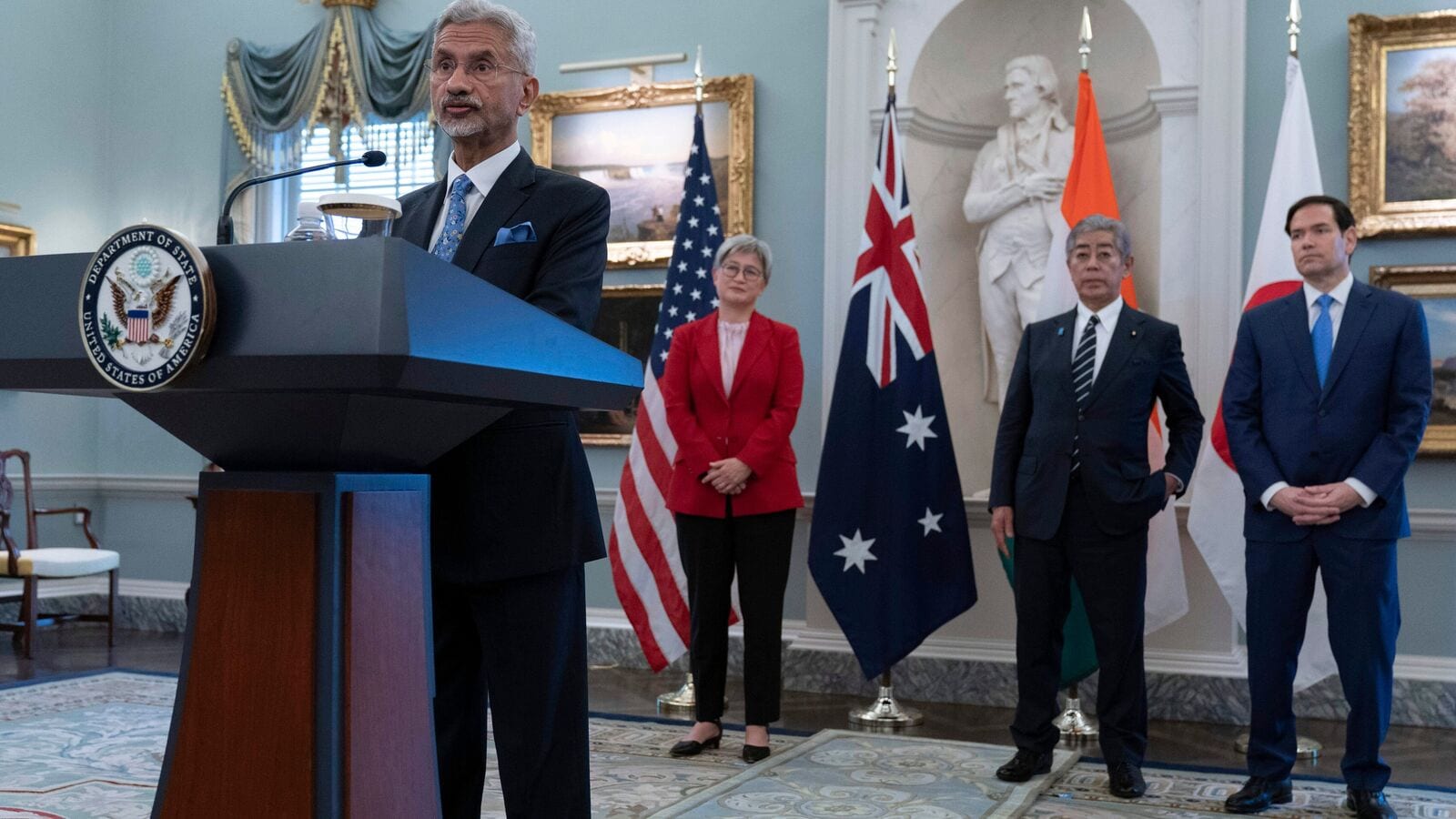
Looking ahead, the trajectory of India-US trade is poised for further expansion, particularly in emerging sectors like advanced technology (e.g., semiconductors, AI, quantum computing), clean energy (e.g., solar, wind, green hydrogen), and defense manufacturing. Initiatives such as the **Critical and Emerging Technologies (ICET) Dialogue** and the **Quadrilateral Security Dialogue (Quad)**, which includes India, the US, Japan, and Australia, underscore a multifaceted engagement that extends beyond traditional trade to encompass security cooperation, resilient supply chains, and technological partnerships. This alignment aims to promote a free, open, and prosperous Indo-Pacific, implicitly addressing concerns about regional power imbalances and promoting shared values. The collaboration in defense trade, for example, is shifting from a buyer-seller relationship to one focused on co-production and co-development, signifying a deeper strategic trust.
However, navigating this future will require addressing existing trade frictions and ensuring equitable benefits for both sides. Discussions around tariffs, market access, and intellectual property rights remain crucial and require sustained, high-level engagement to find mutually acceptable solutions. The goal is to move beyond retaliatory measures and towards a more predictable and transparent trade environment. This involves detailed negotiations on specific agricultural products, industrial goods, and digital trade regulations. The long-term vision involves transforming the economic ties into a comprehensive strategic partnership that can respond to shifting global priorities, foster innovation, and drive sustainable growth in both nations. This deepening economic engagement will inevitably reinforce their geopolitical standing and influence the broader international landscape, ensuring that trade becomes a tool for mutual prosperity rather than an **India US trade weapon**.
The ability of India and the US to harmonize their economic interests with their geopolitical objectives will be a defining feature of 21st-century international relations. Their success in building a resilient and mutually beneficial trade relationship will not only bolster their respective economies but also serve as a model for cooperation in an increasingly complex world. This strategic partnership, underpinned by robust trade and investment, will be pivotal in shaping global governance and economic norms in the coming decades, ensuring that the **India US trade weapon** of the past transforms into a powerful instrument of shared progress. The emphasis will shift from protectionism to facilitation, from disputes to collaborative problem-solving, and from competition to synergistic growth. This strategic evolution will define their joint leadership in the global arena.
Sources
- Council on Foreign Relations – India
- Council on Foreign Relations – US Economic Leverage and Trade Policy Tools
- Invest India – Understanding India’s Production-Linked Incentive (PLI) Schemes
- WorldGossip.net – India’s Banking Margins: Q1 Trends and Outlook
- WorldGossip.net – India’s Clean Energy Transition: The Economics of a Green Future
- WorldGossip.net – India US Apple Smartphones: A Production Shift
- WorldGossip.net – Oil Price, Russia Sanctions, and Global Shift
- WorldGossip.net – Rio Aluminum Tariff Cost Insights
- WorldGossip.net – Trump Global Trade: A Turbulent Legacy
- WorldGossip.net – US-China Emissions: A Climate Dynamic
- Reuters – India Slaps Retaliatory Tariffs on US Goods Amid Trade Spat
- The Economic Times – India’s Economic Leverage and Trade Policy Tools
- The Hill – Chinese Nationals Arrested for Allegedly Shipping AI Chips to China
- The Hill – Trump Tariffs: Economic Uncertainty
- U.S. Trade Representative – USTR Releases 2021 Special 301 Report on Intellectual Property Protection and Enforcement
- U.S. Trade Representative – Statement from President Donald J. Trump Regarding India’s Status under the Generalized System of Preferences Program
- U.S. Trade Representative – USTR Releases Findings of Section 301 Investigations on Digital Services Taxes
