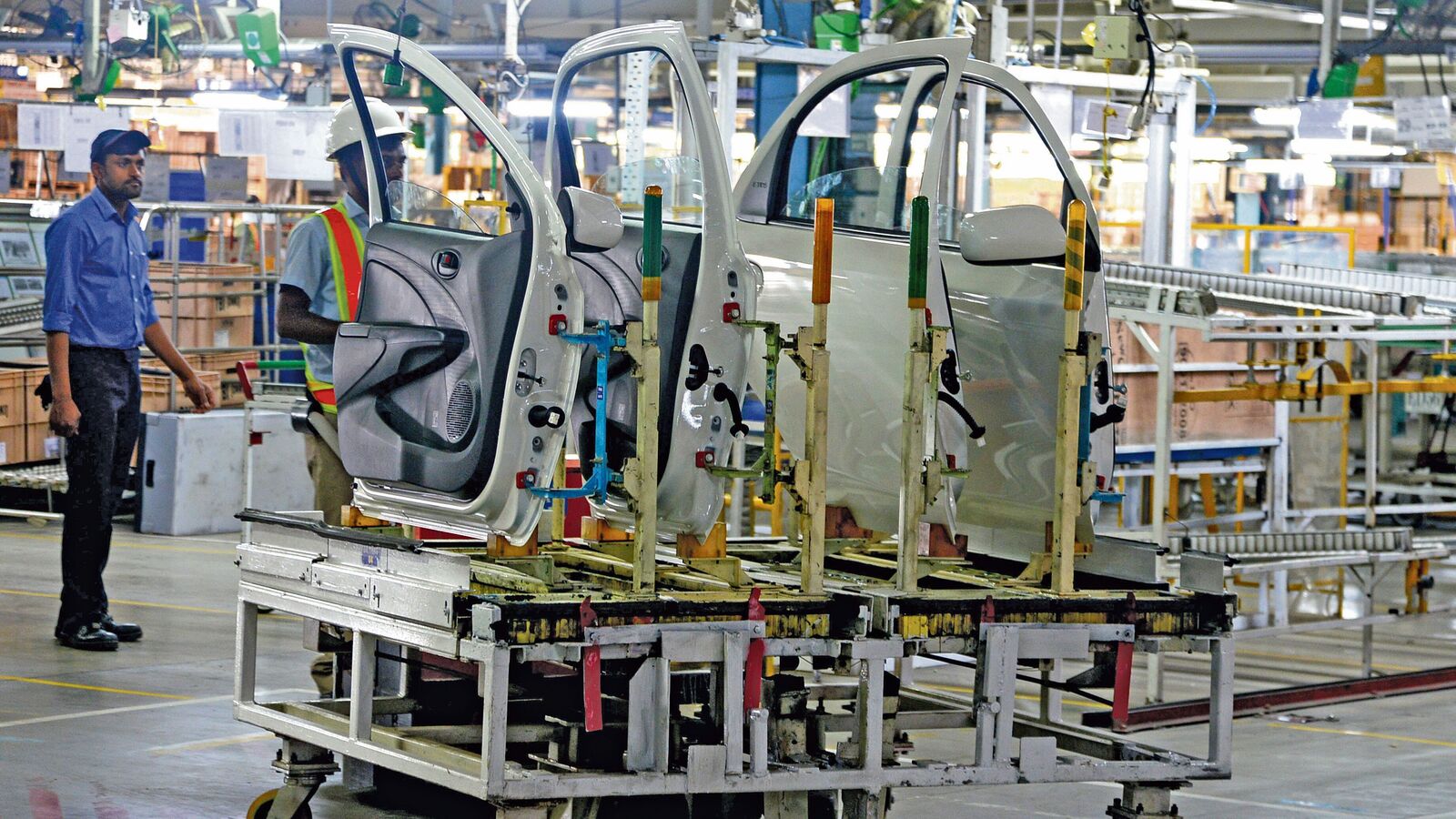
India’s Auto Parts Export Sector: An Overview
Search Phrase: India auto parts export Australia highlights a rapidly evolving landscape where India has established itself as a key player in the global auto components market. Driven by a strong manufacturing foundation, emphasis on quality, and cost efficiency, India’s auto parts export sector is witnessing sustained growth. This growth is not just confined to traditional markets but is increasingly extending towards Australia, creating a promising avenue for mutual economic benefit.
The Indian auto parts export industry has evolved to encompass a broad spectrum of components, serving various vehicle segments worldwide. As per recent analyses, the sector’s expansion is fueled by technological advancements, government initiatives, and shifting global demands. The export basket includes everything from engine parts to electrical components, making India a versatile supplier in the international automotive supply chain.
Key Products Exported
Search Phrase: India auto parts export Australia underscores the diversity of India’s auto parts exports, which include:
- Engine parts: Pistons, connecting rods, crankshafts, cylinder liners, valves
- Drive transmission and steering parts: Gears, axles, steering components, universal joints
- Body and chassis: Stampings, frames, suspension components
- Electrical parts: Wiring harnesses, alternators, starter motors, lighting equipment
- Braking systems: Brake pads, brake linings, hydraulic brakes
- Rubber components: Tires, hoses, seals
These key products enjoy high demand in Australia, driven by the country’s extensive vehicle maintenance and aftermarket sectors. As reported in Auto Components Stock Insights by Jefferies, India’s focus on manufacturing reliable and affordable auto parts positions it favorably within Australia’s automotive ecosystem.
Major Export Markets
Search Phrase: India auto parts export Australia points to a strategic growth area where India’s expanding trade partnerships, particularly with Australia, are significant. Traditionally, Europe and North America have been dominant markets (Source: Economic Times Auto), but recent trade agreements have opened new avenues in the Asia-Pacific region, including Australia.
Emerging markets such as ASEAN countries, Africa, and Latin America also present additional opportunities, with India’s competitive advantage in cost-effective manufacturing complementing Australia’s demand for high-quality auto parts.
Overall Industry Trends
The future of India’s auto parts export sector heavily relies on several key industry trends:
- Technological Advancement: Adoption of automation, robotics, and smart manufacturing processes enhances productivity and quality. As noted on WorldGossip.net, innovation in manufacturing helps India stay competitive globally.
- Focus on Electric Vehicles (EVs): India is increasingly investing in EV-specific components, aligning with global shifts towards green transportation. In particular, India’s burgeoning EV sector includes batteries, motors, and charging infrastructure parts which have promising export potential to Australia, a country also transitioning towards EV adoption (Source: Economic Times Auto).
- Increased R&D Spending: Companies are investing heavily in research and development to develop innovative components meeting international standards.
- Aftermarket Growth: The aftermarket segment is thriving globally, with Australia’s mature automobile repair sector demanding high-quality components for repairs, creating persistently high export opportunities for India.
- Government Initiatives: Programs such as Make in India and Production Linked Incentive (PLI) schemes are critical in boosting domestic manufacturing capacity and exports.
- Sustainability and Green Manufacturing: A global emphasis on environmental sustainability has prompted Indian manufacturers to develop eco-friendly components and adopt sustainable manufacturing practices (Source: WorldGossip.net).
Collectively, these trends reinforce India’s position as a dependable source of auto parts, especially for markets like Australia where quality, sustainability, and innovation are increasingly valued.
India and Australia: Strengthening Trade and Market Opportunities
Search Phrase: India auto parts export Australia signifies growing bilateral trade, supported substantially by the India-Australia Economic Cooperation and Trade Agreement (ECTA), which took effect on December 29, 2022. This agreement has significantly reduced tariffs, fostering a more favorable trade environment. For instance, over 85% of Australian goods exported to India saw tariff elimination, directly benefiting auto parts exports (Auto Components Stock Insights).
Both nations benefit from their economic complementarity: India’s manufacturing prowess and competitive pricing combined with Australia’s demand for high-quality auto parts, particularly in the aftermarket and technological sectors. This mutually beneficial relationship is poised to expand further through strategic cooperation.
Opportunities for Increased Auto Parts Exports to Australia
Search Phrase: India auto parts export Australia highlights numerous burgeoning opportunities:
- Growing Aftermarket Demand: Australia’s mature automotive repair and upgrade market favors Indian suppliers offering a broad range of reliable, cost-effective spare parts (Source: WorldGossip.net).
- Technological Collaboration: Joint ventures in EV components and sustainable manufacturing practices could propel exports, aligning with Australia’s push for green transportation solutions.
- Supply Chain Resilience: Australia’s desire to diversify supply sources attracts Indian manufacturers, given India’s expanding and technologically advanced production facilities.
- Investment and JV Opportunities: Favorable trade policies encourage Australian firms to invest in Indian auto parts manufacturing, fostering technology transfer and boosting export capacities.
By leveraging these opportunities, India can secure a larger share of the Australian auto parts market, driven by strategic trade policies and technological innovation (Market Insights).
Challenges and Strategies for Exporters
Search Phrase: India auto parts export Australia also involves navigating complex challenges:
Supply Chain and Logistics
Logistical hurdles include fluctuating shipping costs, delays due to regional disruptions, and infrastructure bottlenecks. Advanced tracking systems and diversified shipping routes are essential for mitigation.
Regulatory Compliance
Meeting Australian safety standards, environmental regulations, and certification requirements is critical. Implementing robust compliance strategies ensures smoother market entry and sustained growth (Source: Market Insights).
Market Competition and Consumer Preferences
Indian exporters face competition from local Australian producers and other international suppliers. Understanding local consumer preferences and maintaining high quality standards are necessary for success.
Despite these challenges, the opportunities—especially in aftermarket segments, EV components, and strategic partnerships—are substantial for Indian auto parts exporters aiming to expand in Australia.
Future Outlook
Search Phrase: India auto parts export Australia points toward a promising future driven by technological innovation, robust trade frameworks, and mutual ecological commitments. As India invests further in EV component manufacturing and green technologies, and as Australia continues its shift towards electric and sustainable vehicles, the demand for Indian auto parts is expected to grow exponentially.
Strategic initiatives like the ECTA will facilitate smoother market access, while continuous R&D and quality improvements will reinforce India’s image as a global auto parts hub — especially in the Australian market. By aligning with global trends towards sustainability and innovation, Indian manufacturers are well-positioned to capitalize on the growing opportunities in Australia’s auto sector.
