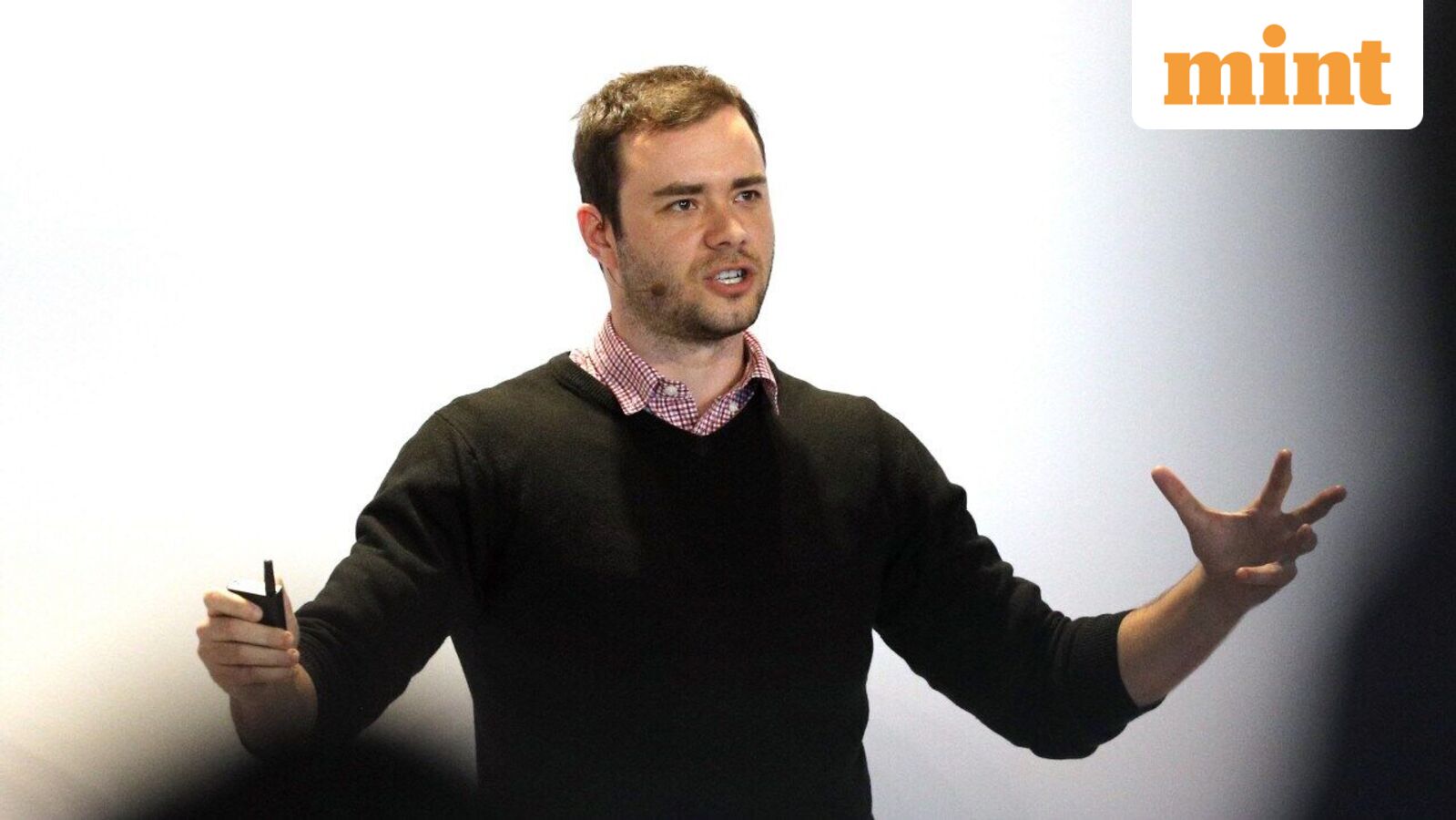
In a blogpost for his alma mater Stanford University, tech millionaire Andrej Karpathy shared advice for undergraduate students he wished he was told at that age. Karpathy co-founded OpenAI and was a former director for artificial intelligence (AI) and Autopilot Vision at Tesla.
In the detailed post, outlining advice on preparing for tests and general life in college, had Karpathy wrote a separate “last (very important advice)” for students, which he wished “someone had told me when I was an undergraduate”.
What is Andrej Karpathy’s advice?
The tech innovator pointed out that undergrads “tend to have tunnel vision” about their classes, where the focus is on good grades.
He noted, “The crucial fact to realize is that no one will care about your grades, unless they are bad… Your time is a precious, limited resource. Get to a point where you don’t screw up on a test and then switch your attention to much more important endeavors.”
According to Karpathy, these more important endeavours will get students much farther in their career that test scores would. He added, “Getting actual, real-world experience, working on real code base, projects or problems outside of silly course exercises is extremely important. Professors/People who know you and can write you a good reference letter saying that you have initiative, passion and drive are extremely important.”
‘Experience, recommendation letters are important’
He advised students to get a summer internship, get research experience, “sign up for whatever programs your school offers. Or reach out to a professor/graduate student asking to get involved on a research project you like.”
“Do not underestimate the importance of this: A well-known professor who writes in their recommendation letter that you are driven, motivated and independent thinker completely dwarfs anything else, especially petty things like grades,” he added.
But Karpathy cautioned against doing things for the sake of it or half-heartedly, noting that one of the “biggest pet peeve” for professors are “over-excited undergrad students who sign up for a project, meet a few times, ask many questions, and then suddenly give up and disappear”.
‘Build something of your own’
Finally, Karpathy also felt that students should spend some time building things apart from their research projects. “Get involved with some group of people on side projects or better, start your own from scratch. Contribute to Open Source, make/improve a library. Get out there and create (or help create) something cool,” he said.
Adding that having these on your portfolio when you graduate can give a boost much higher than plain test scores. “Document it well. Blog about it. These are the things people will care about a few years down the road. Your grades? They are an annoyance you have to deal with along the way. Use your time well and good luck,” he wrote.
Similar advice from Elon Musk?
The advice gains important amid the backdrop of more American students look to explore avenues further than a college degree. An NBC poll in November, which surveyed 1,000 registered voters, showed that 33% of them agree that a four-year college degree is ‘worth the cost’ and leads to a better chance of getting a good job and earning more money over their lifetime.
However, in contrast to that, 63% of people think it is ‘not worth the cost’ because people often graduate without specific job skills. The survey noted that most cited rising cost of education as a major reason for their opinion.
Earlier this month, Zoho Corp’s Sridhar Vembu also highlighted this shift and urged Indian parents to let their children follow suit. “Smart American students now skip going to college and forward-thinking employers are enabling them,” he wrote on X.
He added that at Zoho, “no job requires a college degree and if some manager posts a job that requires a degree, they get a polite message from HR to remove the degree requirement!”.
Zerodha’s Nikhil Kamath too was in hot waters for suggesting that 25-year-olds pursuing MBAs “idiots”. Appearing on his podcast, Elon Musk shared his opinion on the youth pursuing degrees, noting that his own children want to go to college.
The world’s richest man reasoned, “If you want to go to college for social reasons. Which I think is a reason to go — to be around people your own age in a learning environment. Will these skills be necessary in the future? Probably not, because we’re going to be in like a post-work society. But I think, if something’s of interest, it’s fine to go and study that. You know, to study the arts and sciences.”
When asked if college in its current form is too generalised, especially given the changes being ushered in by AI, Elon Musk felt that learning as much as possible is important.
“I actually think it’s good to take a wide range of courses at college — if you’re going to go to college. I don’t think you have to go to college. But I think if you do, you just try to learn as much as possible across a wide range of subjects,” he said.
Adding, “But like I said, AI and robotics is a supersonic tsunami. So, this is really going to be the most radical change that we’ve ever seen. When I’ve talked to my older children, they’re pretty steeped in technology. And they agree that AI will probably make their skills unnecessary in the future, but they still want to go to college.”
Key Takeaways
- Real-world experience and projects are more valuable than grades in securing future opportunities.
- Networking and strong recommendations from professors can significantly impact career prospects.
- Students should explore diverse interests and initiatives beyond their academic curriculum to enhance their skills.
#Heres #advice #OpenAI #cofounder #Andrej #Karpathy #wishes #told #undergraduate #student