
Are you already dreaming of bountiful champagne soirées and affordable Bordeaux Grand Crus? Hold the thought, because it might take a little longer for these dreams to become reality, though ultimately, the consumer will be left smiling.
The EU-India trade agreement announced on India’s Republic Day this year, has generated much excitement. This ‘mother of all deals’ encompasses multiple industries, and among them, wine. For the beleaguered European wine industry, the announcement has come at a time of stagnant growth, compounded by the high tariffs imposed by the US. As a result, Indian importers and journalists have been inundated with requests for information and assistance to start the process of bringing European wine into India. The mood is upbeat.

The initial announcement stated that the 150% central import duty would be reduced over time to 20% for wines in the premium range, to 30% to midrange wines
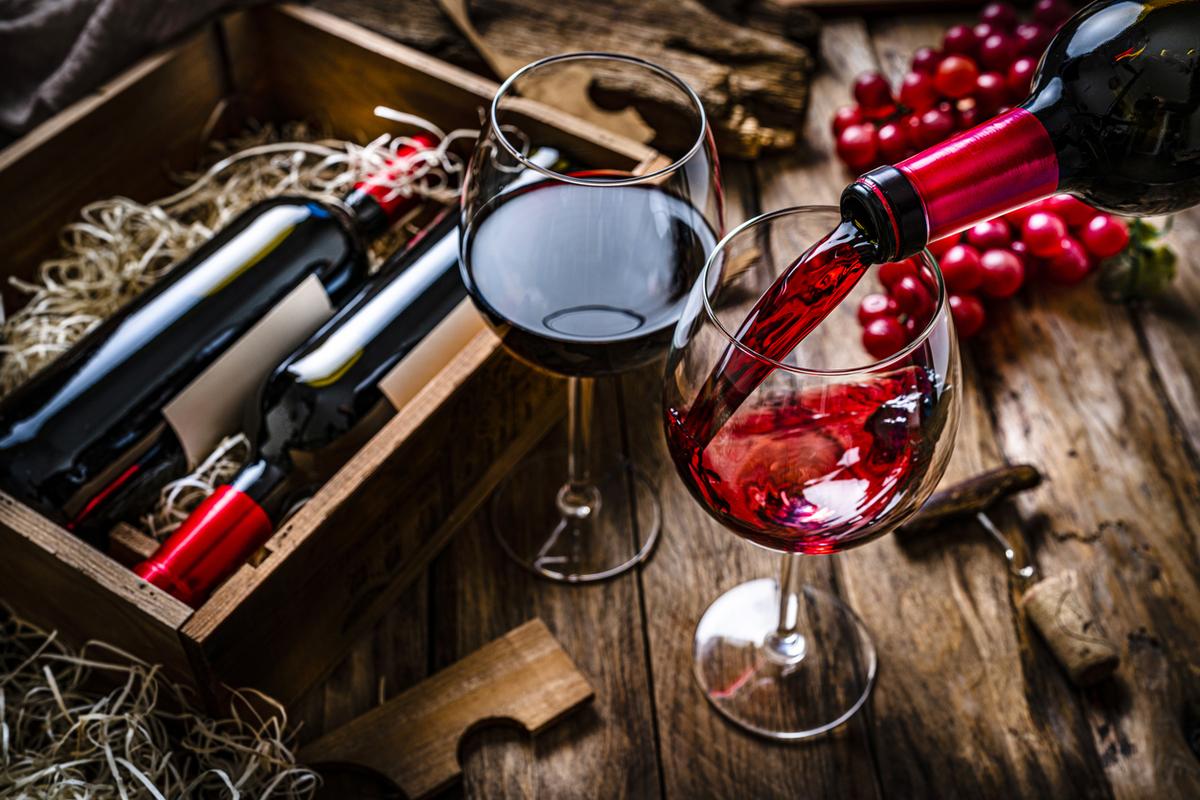
| Photo Credit:
petrenkod
The initial announcement stated that the 150% central import duty would be reduced over time to 20% for wines in the premium range, to 30% for midrange wines. But is this all? While India is the world’s fourth largest economy with a population of 1.45 billion people with an annual GDP of €3.4 trillion, alcohol is taxed primarily by individual State governments.
Top markets for alcoholic beverages include Maharashtra (Mumbai), Karnataka (Bengaluru), and Delhi, among others, but several states are completely dry (no alcohol), while others levy varying taxes and cesses. Excise duty, the primary tax levied by the states, is built into consumer retail prices. Variable State-imposed VAT further impacts prices. There is no one size fit all scenario as far as sales of wine (or any alcoholic beverages) in India is concerned, making the Indian wine market complex to understand.
Top markets for alcoholic beverages include Maharashtra (Mumbai), Karnataka (Bengaluru), and Delhi, among others.
| Photo Credit:
fcafotodigital
Leading importer Nikhil Agarwal of Anggels Share reveals that his phone has been ringing off the hook. “Many European producers are suddenly seeing India as a saviour of the wine world: it’s not quite so.” However, he adds, the trade agreement sets India’s wine industry on the right path. “There are multiple factors to consider: like the high Euro rate against the INR. Even if my producers freeze their prices, costs will increase due to this instability.” Nikhil does not expect things to change overnight, but says “It will keep things stable, so I am very positive in the long term.”
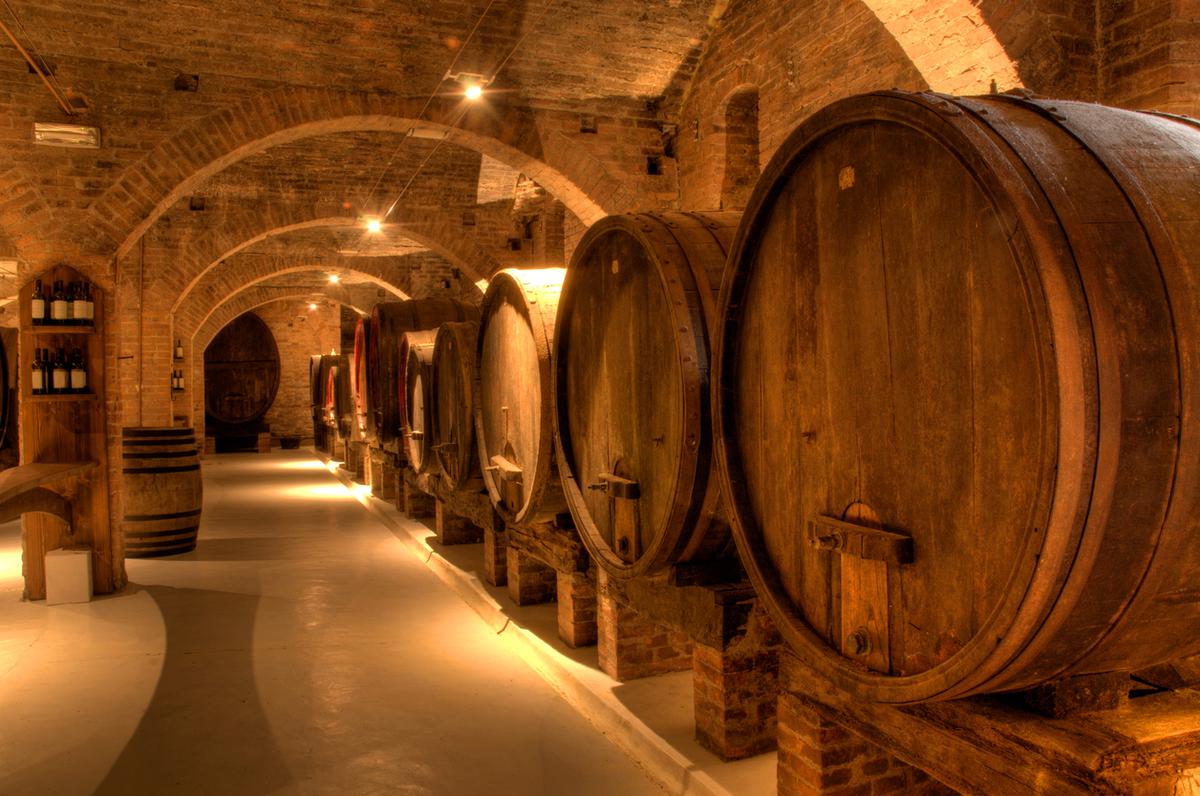
Wine cellar in ancient building in Tuscany, Italy
| Photo Credit:
RCerruti
Top importer, Vishal Kadakia of Wine Park, has been known for introducing new styles and premium wines in the market. In 2024, he imported orange wines by iconic Friuli producer Radikon, and recently introduced the first Galician Albariño in the Indian market.
He says, “The part I am happiest about is that the wine consumer wins. In a growing wine market like India’s, this allows consumers to experiment, try new styles, regions, and grapes and better-quality wines overall as the customs duty drops. I foresee an increase in wine sales across the board, which will positively impact wine retail and growth in wine bars.”
Premium and mid-range wines are where the impact will be felt most, rather than entry-level as duty reduction would apply only to wines above a minimum import price of Euro 2.50 per bottle. His TRE, a Sangiovese-Merlot-Cabernet blend by iconic Tuscan producer Brancaia, might see a 20% drop in price from ₹4,295 to ₹3,450 in Maharashtra, he estimates, while the Ilatraia by the same producer might drop from ₹ 12,895 to ₹9,995.
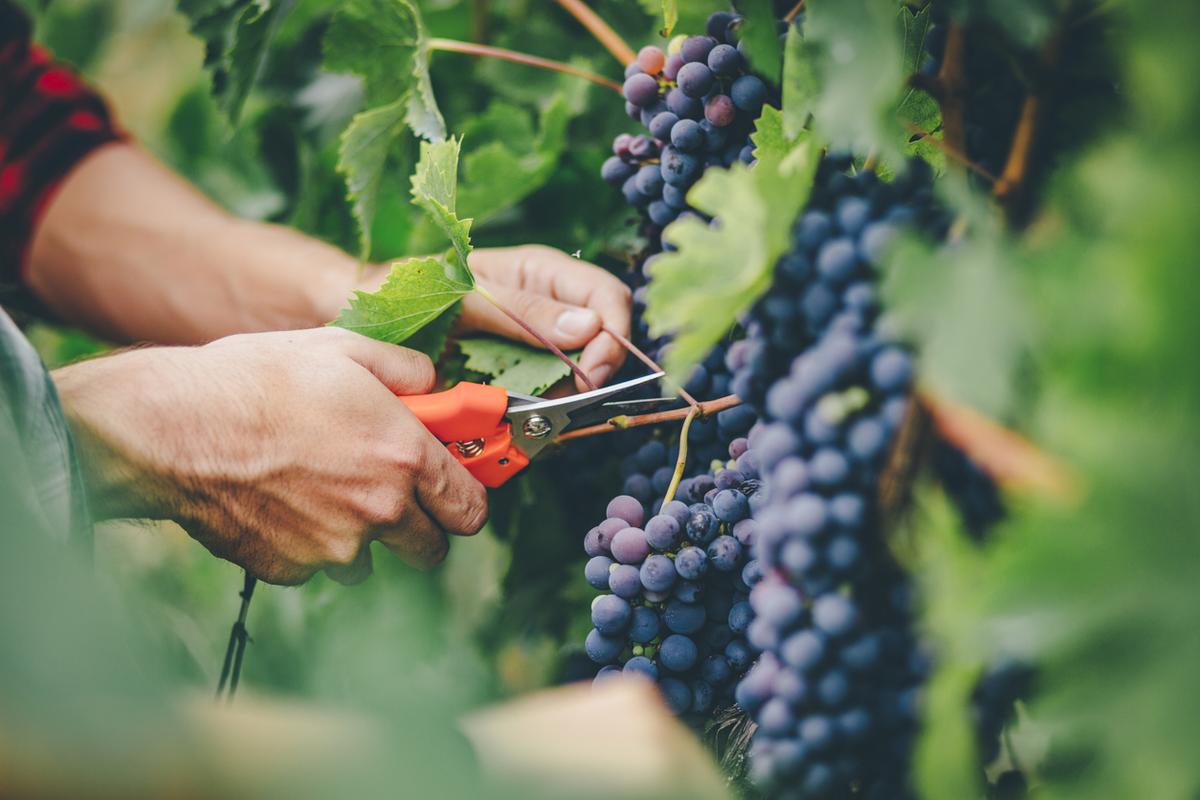
Grapes being harvested in a vineyard
| Photo Credit:
kaisersosa67
Others, like Amrita Singh DipWSET, co-founder, Cellar 33, a Bordeaux-based international export and marketing company, have already begun introducing niche European wines via their Project India. “This is a phased reduction, not an overnight reset. Duties will reduce gradually over years, with biggest benefits for premium and mid-range European wines rather than entry-level categories.”
This calibrated approach is how India has structured previous trade agreements, she adds, with first tangible changes post-ratification likely becoming apparent in 2027 with a greater impact playing out over the following 5-7 years. “From a trade perspective, this is a long-term structural shift rather than a short-term pricing story. Retail prices will not automatically fall in proportion to duty cuts, as State taxes, distribution costs and importer strategies will continue to play major roles.”
Delhi-based importer and co-founder, Aristol, Sumit Sehgal believes the trade agreement will bring focus to new markets like India. “That said, structural barriers in the Indian system, such as label registration requirements, state-wise excise frameworks, and complex compliance procedures must also be addressed to fully unlock the FTA’s potential. With aligned efforts from policymakers, producers, importers, retailers, and the hospitality sector, the agreement can turn into a sustainable, long-term growth story for India’s wine ecosystem.”
Sumit says the current market is already inclined towards premiumisation despite current taxes: a good sign indicating that India as a market is ready to take off. However, he cautions, “There is a pressing need for brand building by EU producers, alongside sales. This is expensive and time consuming but pays off in the long run.” Having successfully introduced 15 high-quality grower Champagne producers through two leading Indian importers last year, Cellar 33 understands Indian market sentiments well, Amrita adds. “This recent trade agreement reinforces our belief that India is a strategic, long-term market where patience, education and trust are just as critical as policy changes.”

There is a pressing need for brand building by EU producers, alongside sales, says Sumit Sehgal of Aristol
| Photo Credit:
ViewApart
Nikhil agrees. In 2020, the sweet spot for a spend on a bottle was ₹2,000; today this has risen. People are rethinking spends on wine.” He tells of a Mumbai customer who recently bought 18 bottles of Meursault at ₹18,000 per bottle and returned a week later for more
. “In the case of Australia, signatory of the AI-ECTA in 2022 with India, the signing was followed up with strong support by Australian government agencies and producers, is thus showing results. “As more countries sign trade deals with India, the market will open further,” concludes Nikhil. “In the end, it will be a win-win situation for the consumer.”
Published – February 05, 2026 05:08 pm IST
#EUIndia #Trade #Deal #wine #tariffs #Indian #consumers