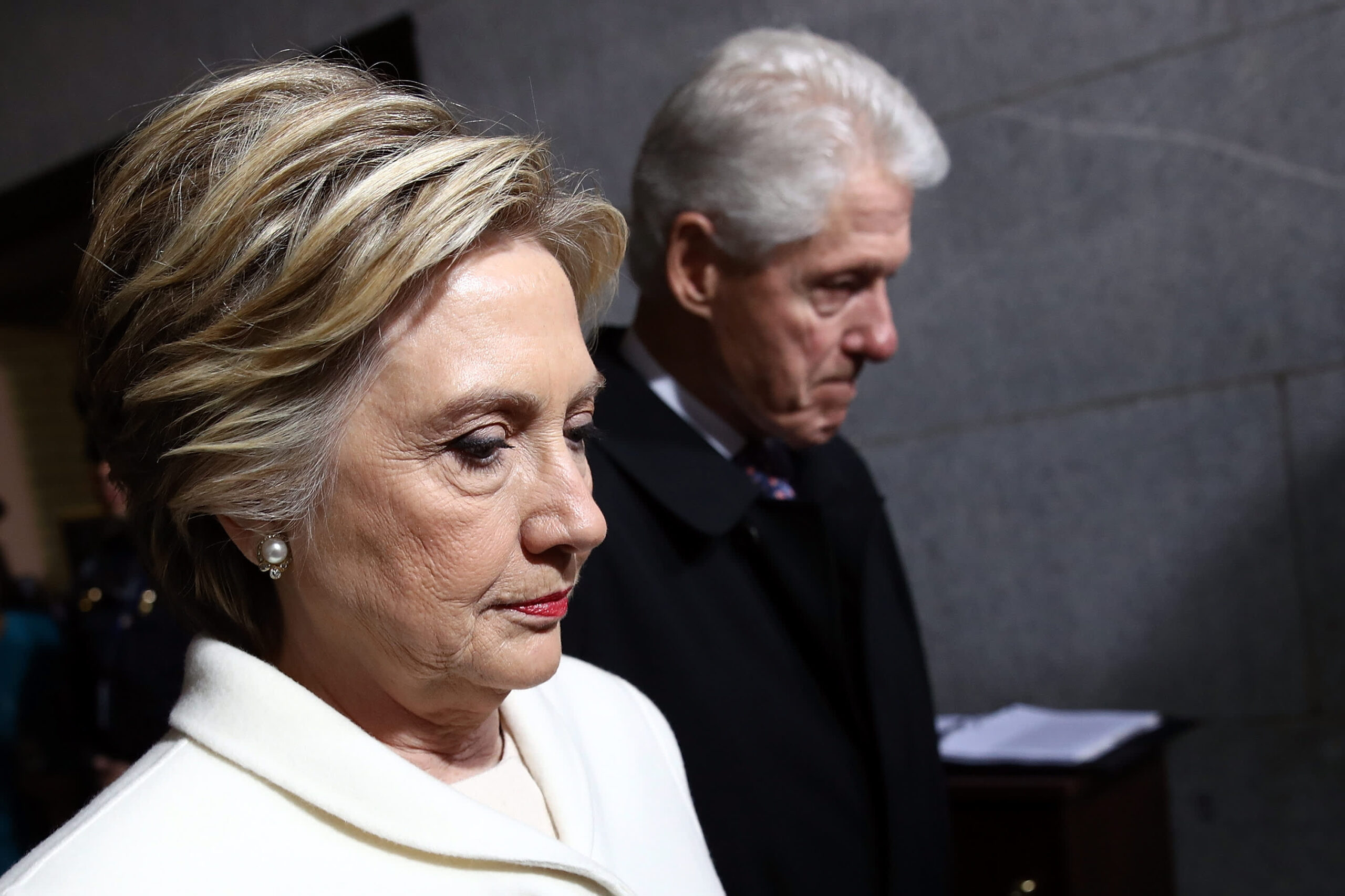
Clintons Commit to Testify in Epstein Investigation Before Contempt Vote
The world of politics is often rife with controversy, and the ongoing investigation into the late sex offender
Jeffrey Epstein is no exception. In a significant development, former President Bill Clinton and Hillary Clinton, who served as the Democratic presidential nominee in 2016, are slated to provide testimony regarding their connections to Epstein. This move comes in light of a congressional inquiry aimed at uncovering the truth behind Epstein’s extensive web of influence and his many high-profile connections.
Background of the Epstein Investigation
The investigation into Jeffrey Epstein, who was charged with several offenses related to
sex trafficking and
child exploitation, received extensive media coverage prior to his death in 2019. The circumstances surrounding his life and untimely demise sparked numerous conspiracy theories and public outcry. Stakeholders—ranging from victims to political figures—have sought accountability and transparency in the wake of revelations about Epstein’s connections to powerful individuals across various sectors, including politics, entertainment, and business.
As congressional inquiries continue to delve into these associations, the focus has increasingly turned to the Clintons due to their past interactions with Epstein. Allegations and rumors have circulated for years about Clinton’s participation in events connected to Epstein, raising questions about the responsibilities and ethical obligations of those who have affiliations with controversial figures. The gravity of these inquiries has brought to light the growing concern over influence and corruption within political spheres.
Clintons’ Connection to Jeffrey Epstein
Bill Clinton’s relationship with Jeffrey Epstein spans multiple years and several public engagements. Reports indicate that Clinton traveled on Epstein’s
private jet multiple times and attended events hosted by him. These associations raise a multitude of questions regarding the nature and extent of their relationship. For Hillary Clinton, the situation is compounded by her status as a prominent political figure and former First Lady. The implications of her connection with Epstein demand scrutiny, not only from a public relations standpoint but also within the broader context of accountability in political spheres.
Given the gravity of the allegations surrounding Epstein and the continued interest in his ties to high-profile individuals, the Clintons’ commitment to testify represents a pivotal moment in the investigation. Their cooperation might prove vital in shedding light on the intricacies of Epstein’s operations and the degree to which they were aware of his illicit activities.
Furthermore, as we learn more about these connections, it echoes broader conversations regarding the ethics and responsibilities of leaders, emphasizing the necessity for **transparency** and responsible governance, pivotal aspects also reflected in the Union Budget 2023.
The Congressional Inquiry Process
As part of the congressional inquiry, the testimonies of Bill and Hillary Clinton will aim to clarify their involvement and knowledge of Epstein’s actions. This process includes
subpoena powers that compel individuals to provide evidence, under oath, which can greatly aid the investigation. The goal is to establish a comprehensive overview of the networks that enabled Epstein’s criminal activities and to ascertain the accountability of those who had proximal relationships with him.
The impending testimonies underscore the seriousness of the inquiry and signal the commitment of the authorities to pursue justice for Epstein’s victims. With public interest at an all-time high, such testimonies could also help restore faith in the political process by demonstrating that even the most influential individuals are not above the law, which resonates with public demands reflected in calls for effective legislative reforms aimed at preventing future cases of abuse.
Public Reaction to Testimony Confirmation
Following the announcement of the Clintons’ decision to testify, public reaction has been a mixture of skepticism and hope. Many observers have expressed distrust regarding the Clintons, stemming from their storied political careers, which have often been characterized by controversy. Others, however, see their willingness to testify as a step toward accountability and transparency in a case that has shrouded many influential figures in shadow.
Analysts speculate on potential implications for the Clintons, especially if the testimony reveals more than previously known. The outcomes could affect Hillary Clinton’s political future, as she remains a significant figure within the Democratic Party. Bill Clinton, too, could face renewed scrutiny over his own legacy and historical decisions while in office, linking back to the ongoing discourse about political engagement and ethics in leadership roles, similar to discussions surrounding business impacts highlighted in Trump’s policies.
Legislative and Legal Implications
The Clintons’ commitment to testify carries significant legislative implications as well. By appearing before Congress, they contribute to a growing body of evidence that could shape future legislative actions against sex trafficking and exploitation. This inquiry may lead to
reforms aimed at preventing such atrocities and enhancing the justice system’s responsiveness to claims of abuse and misconduct.
Furthermore, the authenticity and honesty of their testimonies could further influence public policy debates related to accountability for political leaders and their associations. Lawmakers from both parties may leverage the findings to either rally for reform or mount defenses against overreach.
The journey towards significant changes in legislation could reflect previous milestones discussed in our economic reports such as Union Budget 2023, emphasizing reforms that aim for greater transparency in governance.
The Question of Contempt
As the Clintons prepare for hearings, an impending vote on contempt may loom, depending on their level of cooperation and transparency during the investigation. Congressional members have frequently faced pressures surrounding investigations, particularly those involving high-profile figures. A
contempt vote would signal congressional dissatisfaction with how individuals comply with subpoenas, ultimately affecting their public standing.
The significance of this vote could resonate beyond the immediate context of the inquiry, potentially casting a long shadow over future political engagements for the Clintons and shaping the framework for how similar investigations are conducted. The aftermath could serve as a precedent for handling cases involving respected figures, reminiscent of how legislative discussions similarly influence public perception and policy directions indicated in our insights on RBI strategies.
The Road Ahead
The decision for the Clintons to participate in this investigation demonstrates not only their willingness to face the inquiries but also underscores a fundamental principle—that justice demands clarity, accountability, and transparency. The outcome of the investigation will likely have profound implications, not only for those implicated but also for society as a whole.
As the hearings approach, there is a palpable anticipation surrounding the information that may emerge, which could redefine public perceptions of the Clintons. The implications of their testimony could affect not only their careers but also the evolution of policies aimed at protecting vulnerable populations from abuse, paralleling our reports on social justice and accountability reflected through references in various public fields as seen in the economic shifts reported in job sectors.
In conclusion, the engagement of Bill and Hillary Clinton in the congressional investigation into Jeffrey Epstein could potentially shape both personal legacies and broader societal norms regarding accountability and justice. As the narrative unfolds, citizens will watch closely to see what insights will be unveiled and how this chapter in American political history may evolve.
Sources