Understanding the “INDIA bloc Vote Chori Protest”: A Critical Overview
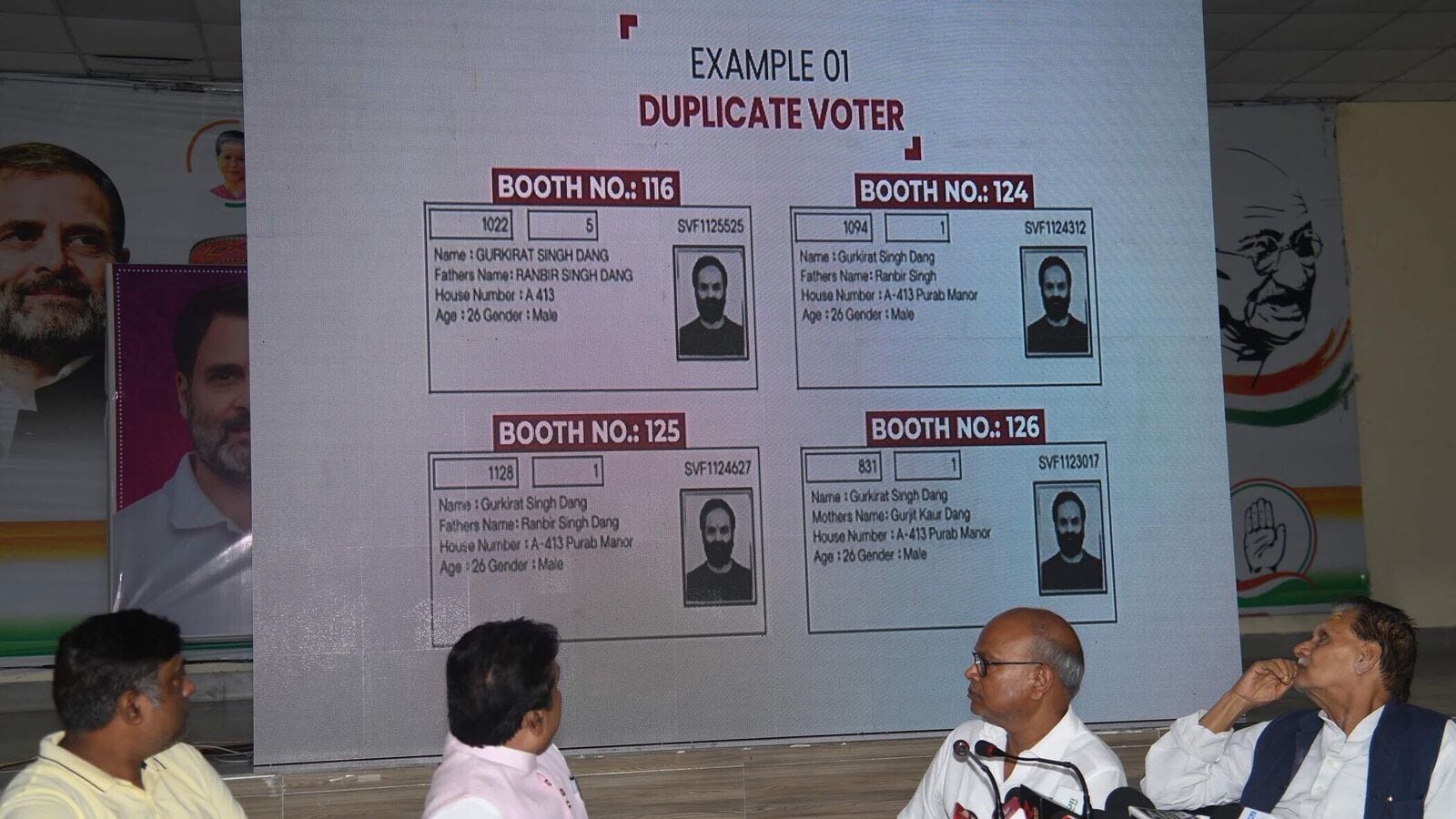
The discourse surrounding electoral integrity in India is often fraught with contention, particularly concerning allegations of “vote chori” or vote theft. While a specific, singular event labeled “INDIA bloc Vote Chori protest” may not have been widely chronicled in public records as a standalone, named protest, the underlying concerns about electoral fairness are consistently raised by opposition parties, most notably the Indian National Developmental Inclusive Alliance (INDIA) bloc. This article delves into the context, implications, and reactions associated with such allegations and the potential for an **INDIA bloc Vote Chori protest**, exploring how these issues resonate within India’s vibrant democratic landscape.
The Genesis of the INDIA Bloc
The Indian National Developmental Inclusive Alliance (INDIA) bloc emerged as a formidable opposition front, strategically formed by various political parties with the explicit aim of challenging the ruling Bharatiya Janata Party (BJP)-led National Democratic Alliance (NDA) in the crucial 2024 general elections. The formation of this coalition was not a sudden occurrence but rather the culmination of a series of intensive meetings among diverse opposition leaders. These initial discussions laid the foundational groundwork for what they hoped would be a formidable united front against the BJP’s significant dominance in Indian politics. The core motivation behind the creation of the INDIA bloc was to articulate a strong, unified voice against the incumbent government’s policies and to present a credible alternative vision for the nation’s future.
The primary objective that galvanized the INDIA bloc was to **safeguard the Constitution**, uphold democratic principles, and actively counter what its members perceived as the BJP’s divisive political tactics and economic mismanagement The Indian Express – What is INDIA bloc, parties, Lok Sabha elections. This foundational goal encompasses a broad spectrum of concerns that resonate deeply with a significant portion of the Indian electorate. Key issues that consistently drive the bloc’s agenda include **widespread unemployment**, surging inflation, increasing social polarization, and growing concerns over federalism, which many argue is being undermined by centralizing tendencies Business Standard – INDIA bloc sets up coordination panel to chalk out strategy for 2024 polls. The bloc aims to articulate and present a united alternative vision for India, one that places strong emphasis on inclusive economic growth, fosters social harmony across diverse communities, and actively works towards the protection of minority rights, which they contend are under threat. For those seeking a more in-depth understanding of the promises and potential impact of this significant political formation, further insights can be gleaned from analyses such as “Exploring India Bloc Loktantar’s Promise,” which delves into the philosophical underpinnings and practical aspirations of the alliance WorldGossip.net – Exploring India Bloc Loktantar’s Promise.
Historically, India has witnessed numerous attempts at forming grand alliances or “mahagathbandhans” against dominant political parties. The formation of the INDIA bloc draws striking parallels with past political formations, most notably the Janata Party in the 1970s. The Janata Party successfully managed to dislodge the then-powerful Indira Gandhi-led Congress government, demonstrating the potential efficacy of a united opposition front in challenging entrenched power Zee News – INDIA vs BJP: An insight into Indian politics’s biggest clash since 1977. However, while historical precedents offer hope, the path for the INDIA bloc is fraught with significant challenges. Hurdles such as complex **seat-sharing agreements** among diverse member parties, ongoing questions surrounding leadership, and deep-seated ideological differences pose substantial obstacles for the coalition’s long-term cohesion and effectiveness. The political dynamics within the INDIA bloc are inherently intricate, demanding constant negotiation, strategic compromise, and a high degree of flexibility to maintain unity and present a cohesive front to the vast and diverse Indian electorate The Times of India – INDIA bloc meeting live updates: Opposition alliance Delhi meeting 2023. Despite these multifaceted challenges, the very formation of the INDIA bloc unequivocally signals a determined and concerted effort by the opposition forces to consolidate their collective strength and offer a truly formidable challenge in the electoral arena, aiming to prevent any perceived “vote chori” and ensure fairness. The vigilance of such an alliance naturally sets the stage for potential pushback, including an **INDIA bloc Vote Chori protest**, if electoral outcomes are contested.
The Imperative of Electoral Integrity in Indian Democracy
In any robust democracy, the integrity of the electoral process serves as its foundational cornerstone. It is the mechanism through which the will of the people is expressed, and through which governments derive their legitimacy. In India, a nation renowned for its vast and complex electoral exercises, maintaining the sanctity of this process is not merely a legal requirement but a fundamental democratic imperative. Allegations of “vote chori” or electoral manipulation, therefore, strike at the very heart of this democratic compact. When concerns about the fairness of elections are raised, particularly by a major opposition alliance like the INDIA bloc, they necessitate serious consideration and public discourse.
The concept of an **INDIA bloc Vote Chori protest** embodies the collective anxieties of various political entities and the citizenry regarding potential subversions of the democratic process. These concerns often stem from a range of issues, from the perceived vulnerability of Electronic Voting Machines (EVMs) to alleged irregularities in voter lists, and the undue influence of money or state power during campaigns. Each of these elements, when brought into question, chips away at public trust. For the INDIA bloc, a coalition expressly formed to uphold democratic values, raising such concerns and, if necessary, engaging in an **INDIA bloc Vote Chori protest**, is seen as an indispensable part of their mission to ensure a robust and transparent democracy. They argue that such vigilance is crucial to safeguarding the very principles upon which the Indian republic stands.
The importance of electoral integrity cannot be overstated. It ensures that every vote cast is accurately recorded, honestly counted, and genuinely reflects the choice of the electorate. When this process is perceived to be compromised, even through suspicion rather than proven malfeasance, the implications are far-reaching. It can lead to a significant erosion of public confidence in not just the immediate election results, but in the entire democratic institutional framework itself. Such distrust can manifest in decreased voter participation, increased political apathy, or even social unrest. Thus, the debate surrounding “vote chori” and the potential for an **INDIA bloc Vote Chori protest** is not merely a partisan political squabble; it is a critical dialogue about the health and future of Indian democracy.
Unpacking Allegations of Electoral Malpractice
Allegations of electoral malpractice, often encapsulated by the term “vote chori,” are a recurring feature in the political landscape of many democracies, and India is no exception. These claims, regardless of their veracity, significantly impact public perception and political discourse. For the INDIA bloc, raising such concerns is a strategic and ideological imperative, framing their efforts around protecting the democratic process from perceived interference. The prospect of an **INDIA bloc Vote Chori protest** directly stems from these deeply held concerns about the fairness and transparency of elections.
Common Concerns Regarding Vote Integrity
The criticisms regarding electoral integrity in India typically revolve around several key areas. One of the most persistent and widely discussed concerns centers on the **Electronic Voting Machines (EVMs)**. While the Election Commission of India (ECI) consistently assures their tamper-proof nature and undergoes rigorous testing, opposition parties, including constituents of the INDIA bloc, frequently voice suspicions about their vulnerability to manipulation. They argue for greater transparency in the EVM manufacturing and deployment process, often advocating for a return to ballot papers or more comprehensive voter-verified paper audit trail (VVPAT) verification. These technical concerns are often amplified during tight electoral contests, fueling narratives of potential “vote chori” and contributing to the sentiment that might lead to an **INDIA bloc Vote Chori protest**.
Beyond EVMs, other common allegations include irregularities in **voter lists**, such as the inclusion of deceased voters or the exclusion of eligible ones, which can subtly alter electoral outcomes. The influence of **money and muscle power** during campaigns remains a significant concern, with allegations of voter inducement, intimidation, and misuse of state machinery to benefit the ruling party. Furthermore, the role of media, both traditional and social, and its perceived bias, is often cited as a tool that can unfairly sway public opinion, thereby influencing the integrity of the electoral process even before a vote is cast. The cumulative effect of these various concerns creates an environment where allegations of electoral malpractice can easily gain traction, providing fertile ground for collective action such as an **INDIA bloc Vote Chori protest**. These multifaceted issues contribute to an overall sense of unease regarding the electoral system’s absolute impermeability to manipulation.
The Opposition’s Stance and Mobilization Tactics
The opposition, particularly a united front like the INDIA bloc, strategically leverages allegations of “vote chori” to galvanize its support base, discredit the ruling party, and question the legitimacy of election results. This is a common tactic in democratic politics globally, but in India, with its large and passionate electorate, it takes on particular significance. For the INDIA bloc, expressing dissatisfaction with electoral processes is not merely about winning elections; it’s presented as a defense of democracy itself.
When an **INDIA bloc Vote Chori protest** or similar demonstrations occur, they serve multiple purposes. Firstly, they act as a potent **mobilization tactic**, uniting disparate opposition parties and their supporters under a common cause. By focusing on fundamental democratic principles like fairness and transparency, they aim to appeal to a broader segment of the population, including those who may not directly align with any specific political party but are concerned about the integrity of the system. Secondly, such protests are designed to apply **public pressure** on the Election Commission and the government, demanding investigations, reforms, and accountability. They aim to keep the issue alive in public discourse, ensuring it does not fade from memory. Thirdly, these allegations and protests contribute to the **opposition’s narrative** that the ruling party is undermining democratic institutions. This narrative helps to differentiate the opposition and provides a moral high ground from which to critique the government.
Leaders within the INDIA bloc, understanding the power of public demonstration, would likely adopt various forms of protest. These could range from peaceful marches and sit-ins to more vocal parliamentary disruptions and nationwide campaigns using social media and traditional media channels. The ultimate goal of an **INDIA bloc Vote Chori protest** would be to generate widespread awareness, rally public sentiment against perceived electoral irregularities, and force a response from authorities. This active stance underscores the bloc’s commitment to holding the electoral system accountable and ensuring that the democratic will of the people is genuinely reflected in election outcomes.
Political Reactions and Counter-Narratives
The landscape of Indian politics is characterized by intense partisan divides, and reactions to protests, particularly those alleging “vote chori,” are almost invariably split along party lines. The framing of such events, whether it’s an **INDIA bloc Vote Chori protest** or a similar demonstration, becomes a critical battleground for public opinion and political legitimacy.
The Opposition’s Condemnation and Call to Action
Typically, opposition parties, including the various constituents of the INDIA bloc, are highly vocal in their condemnation of any perceived electoral irregularities. They seize upon allegations of “vote chori” as an opportunity to amplify their message, rally their supporters, and cast doubt on the legitimacy of election outcomes. For them, such allegations are not just technical complaints but fundamental assaults on democratic principles. They use these moments to highlight what they perceive as broader issues of governance, fairness, and the erosion of institutional autonomy.
Leaders like Rahul Gandhi, a prominent figure whose actions often resonate widely, have historically led numerous protests to highlight various political concerns and perceived injustices within the electoral process and beyond WorldGossip.net – Rahul Gandhi’s Protests: Impact on Bihar Politics. These instances vividly demonstrate how allegations of “vote chori” become central to the opposition’s narrative. An **INDIA bloc Vote Chori protest** would, therefore, be viewed by the opposition as a legitimate exercise of democratic right, a crucial mechanism to hold power accountable, and a necessary expression of public discontent. Their rhetoric often focuses on the urgency of safeguarding democracy, appealing to the public’s sense of fairness and justice. They would demand thorough investigations, transparency, and reforms to electoral laws and practices, positioning themselves as the guardians of democratic values against perceived authoritarian tendencies. The call to action from the opposition would often involve mass mobilization, legal challenges, and parliamentary debates, all aimed at drawing national and international attention to their concerns about electoral integrity.
The Ruling Party’s Defense and Emphasis on Due Process
Conversely, ruling parties or those aligned with the incumbent government invariably dismiss allegations of “vote chori” as unfounded, politically motivated, or attempts to undermine the democratic process. Their primary objective is to assert the unwavering integrity of the electoral system and maintain public confidence in its fairness. They often attribute such protests to political opportunism on the part of the opposition, suggesting that these are tactics employed by parties unable to win fair elections. In some cases, they might even insinuate foreign influence or a deliberate attempt to destabilize the nation’s political environment.
The government’s response typically emphasizes adherence to established legal and constitutional processes for addressing grievances. For instance, they might point to the Election Commission of India’s robust mechanisms for dispute resolution or the judiciary’s role in adjudicating electoral petitions. The Supreme Court’s stance, such as its refusal to entertain “piecemeal” charge sheets in certain political cases, can be cited as an example of the judiciary’s preference for formal legal channels over public agitation Social News XYZ – SC Refuses to Entertain Bhupesh Baghel’s Plea Against Piecemeal Charge Sheets. This approach allows the ruling party to frame the opposition’s actions, including any **INDIA bloc Vote Chori protest**, as an attempt to bypass legitimate channels and create unnecessary chaos.
The focus for ruling parties is consistently on maintaining political stability, upholding the perceived credibility of the electoral framework, and projecting an image of a government that respects and operates within the bounds of the law. They might highlight the logistical complexities of conducting elections in a country of India’s scale and population, arguing that minor discrepancies are inevitable but do not equate to widespread fraud. This counter-narrative aims to reassure the public, invalidate the opposition’s claims, and minimize the impact of protests on public opinion and the overall political stability of the nation.
Public Perception and Media’s Role in Shaping Narratives
The way protests and associated allegations, such as those that might lead to an **INDIA bloc Vote Chori protest**, are perceived by the general public and mediated by news outlets is a complex and often highly polarized phenomenon. This perception is profoundly influenced by reporting biases, the editorial stance of different media organizations, and the pervasive and often instant virality of social media. Understanding this interplay is crucial to grasping the full impact of such political events.
The Dual Influence of Traditional and Social Media
News reporting plays a pivotal role in shaping public opinion. Different media outlets frequently frame narratives based on their inherent editorial stance, which can range from staunchly pro-government to fiercely critical of the establishment. For instance, some media organizations might choose to highlight the disruptive aspects of protests, focusing heavily on any instances of clashes, property damage, or the economic impacts of disruptions. This framing often emphasizes the inconvenience or negative consequences of public agitation. Conversely, other outlets might primarily emphasize the underlying grievances that motivate an **INDIA bloc Vote Chori protest**, focusing on the protesters’ calls for justice, transparency, and accountability, thereby portraying them as champions of democratic rights Pew Research Center – How Americans See the Protests and the Issues Behind Them. This divergence in coverage inevitably leads to widely varied public interpretations of the same events, fostering a fragmented public understanding.
Social media platforms, including giants like X (formerly Twitter), Facebook, and Instagram, have become undeniably significant players in disseminating real-time information and profoundly shaping public perceptions. These platforms often amplify diverse voices, including those from marginalized groups or counter-narratives that may not always find prominence in mainstream media. Reactions on these platforms can range from strong support and solidarity with the protesters to outright condemnation, skepticism, and even hostility. Hashtags can rapidly trend, mobilizing public sentiment, focusing attention on specific aspects of the protests or allegations, and fostering a sense of collective identity among participants Brookings – How social media is shaping our political landscape. For example, if an **INDIA bloc Vote Chori protest** were to unfold, hashtags detailing alleged irregularities or highlighting protester demands would likely dominate digital spaces, shaping the immediate public discourse.
Navigating Misinformation in the Digital Age
Despite their immense power for mobilization and information dissemination, social media platforms are also notoriously prone to the rapid spread of misinformation and disinformation. This inherent vulnerability can further complicate public understanding of complex events like an **INDIA bloc Vote Chori protest** and fuel existing biases within the population. The rapid sharing of unverified claims, emotionally charged content, or doctored images can sometimes overshadow factual reporting and critical analysis, making it exceptionally challenging for the public to discern accurate and reliable information from fabricated content. This environment of information overload and often deliberate manipulation can lead to widespread confusion and a deepening of partisan divides, as individuals are more likely to believe information that confirms their existing beliefs.
The interaction between traditional news media and social media platforms is dynamic and symbiotic. Often, social media serves as the initial breaking ground for stories or allegations, which are then picked up, verified (or sometimes, unfortunately, amplified without verification), and further reported by traditional news outlets. Conversely, detailed reports and analyses from established news organizations are frequently shared, discussed, and debated on social media platforms. This continuous feedback loop creates a perpetually evolving public discourse, influencing the overall narrative surrounding protests, allegations of “vote chori,” and the political responses to them. For a deeper dive into how public figures and political events are perceived in the media, and how narratives are constructed and contested, exploring analyses such as “Nitesh Rane and Priyank Kharge’s RSS-PFI Remarks: Controversy and Legal Outcomes” provides a tangible example of the complex interplay between statements, media interpretation, and public reaction WorldGossip.net – Nitesh Rane and Priyank Kharge’s RSS-PFI Remarks: Controversy and Legal Outcomes. This constant interaction underscores the critical need for media literacy and critical thinking skills among citizens, especially when assessing claims related to electoral integrity and the potential for large-scale protests like an **INDIA bloc Vote Chori protest**.
Potential Implications for Indian Elections and Democracy
While specific data regarding the direct impact of a hypothetical “INDIA bloc Vote Chori protest” on voter behavior and political strategies is not available from the provided sources, it is possible to discuss the general implications of such protests and allegations on Indian elections and the broader democratic landscape. Protests and significant allegations of electoral malpractice invariably create ripples that can influence various aspects of the political process, from voter sentiment to party strategies.
Impact on Voter Behavior and Mobilization
Allegations of “vote chori” and the ensuing protests, such as a potential **INDIA bloc Vote Chori protest**, can have a multifaceted impact on voter behavior. Firstly, they can significantly **mobilize a segment of the electorate**, particularly those who are already skeptical of the incumbent government or deeply invested in the opposition’s narrative. When voters perceive that their democratic rights are being threatened or that their votes might not be fairly counted, it can galvanize them to participate more actively in the electoral process, whether through higher voter turnout, increased volunteerism for their preferred parties, or active participation in protests. This sense of urgency and perceived injustice can transform passive citizens into active political participants.
Conversely, persistent allegations and widespread protests could also lead to voter apathy or disillusionment, especially if the public feels that their concerns are not addressed or that the electoral system is fundamentally flawed beyond repair. This could manifest as decreased voter turnout, as citizens might feel that their vote no longer holds meaningful power. The credibility of the electoral system is paramount; if it is consistently questioned, it risks eroding the very foundation of democratic participation. For an **INDIA bloc Vote Chori protest** to be effective in mobilizing voters, it would need to clearly articulate its concerns, offer credible evidence where possible, and present a viable pathway to addressing the alleged irregularities. The narrative framed by such a protest would significantly influence how voters perceive the fairness of the elections and consequently, their decision to participate.
Strategic Adjustments by Political Parties
The presence of allegations and the potential for, or actual, protests like an **INDIA bloc Vote Chori protest** compel political parties to make significant strategic adjustments. For the opposition, raising concerns about electoral integrity becomes a crucial part of their campaign strategy. It allows them to position themselves as defenders of democracy, aiming to win public sympathy and support. They would likely intensify their calls for electoral reforms, demand greater transparency from the Election Commission, and potentially form broader alliances to collectively monitor the electoral process. The goal is to delegitimize any victory by the ruling party if it comes under a cloud of suspicion, thereby increasing the bargaining power of the opposition.
For the ruling party, the challenge lies in effectively countering these allegations and maintaining public trust. Their strategies would include robustly defending the integrity of the electoral process, providing detailed explanations for any perceived anomalies, and possibly initiating public awareness campaigns about the fairness of the system. They might also emphasize the legal avenues available for grievance redressal, urging the opposition to pursue formal complaints rather than resorting to public protests. Furthermore, the ruling party might focus on highlighting its developmental achievements and policy successes to divert attention from electoral integrity debates. In a scenario involving an **INDIA bloc Vote Chori protest**, the ruling party would face pressure to either address the concerns head-on with transparent actions or effectively dismiss them to prevent widespread public doubt. The stakes are incredibly high, as the legitimacy of their mandate rests on the perception of a free and fair election.
Safeguarding Democratic Principles: The Broader Significance of an INDIA bloc Vote Chori Protest
The concept of an **INDIA bloc Vote Chori protest** encapsulates a profound concern that extends far beyond the immediate political ramifications of an election. Such demonstrations and the underlying allegations of vote manipulation fundamentally underscore critical concerns regarding electoral integrity and the foundational principles upon which Indian democracy is built. They serve as a powerful testament to the vigilance of political entities and conscientious citizens in their tireless efforts to safeguard the transparency and fairness of the electoral process, which is the lifeblood of any democratic nation.
Upholding Transparency and Fairness
For the INDIA bloc, an alliance explicitly formed to uphold and strengthen democratic values, any form of protest against perceived electoral irregularities, including an **INDIA bloc Vote Chori protest**, is viewed as not just legitimate but absolutely essential for the sustained health and robustness of a functioning democracy WorldGossip.net – Exploring India Bloc Loktantar’s Promise. They argue that the very act of raising concerns, challenging questionable outcomes, and demanding accountability is a vital mechanism through which the electoral system can be held to the highest standards. In a country as diverse and populous as India, where millions cast their votes, ensuring that every single vote is accurately counted and that the electoral system remains impervious to any form of manipulation—be it technical, administrative, or political—is paramount. This unwavering commitment to accuracy and impartiality is the bedrock upon which public trust in democratic institutions is built.
The pursuit of electoral integrity involves a continuous effort to enhance transparency at every stage of the voting process, from voter registration and list management to the casting of ballots and their final tabulation. This includes advocating for robust, auditable systems, timely resolution of complaints, and a genuinely independent Election Commission. When these elements are perceived to be compromised, the calls for an **INDIA bloc Vote Chori protest** emerge as a powerful, albeit sometimes disruptive, manifestation of the public’s insistence on fairness and their refusal to accept anything less than a fully legitimate outcome.
Building and Maintaining Public Trust
The implications of perceived electoral irregularities extend far beyond immediate political contestation. If doubts about the fairness of elections persist or are allowed to fester without credible resolution, they can lead to a significant and potentially irreversible erosion of faith in the democratic institutions that form the very bedrock of the nation. When citizens lose trust in the integrity of their electoral system, they may become disengaged, leading to decreased participation and a weakening of democratic norms. This can create a dangerous cycle where public cynicism about the political process deepens, making it easier for authoritarian tendencies to take root.
Therefore, whether through a spirited **INDIA bloc Vote Chori protest**, legal challenges, or persistent public advocacy, the ongoing efforts to highlight and address concerns about electoral integrity are fundamental to preserving the legitimacy of democratic outcomes. These efforts are not just about winning or losing an election; they are about ensuring that the democratic experiment in India remains vibrant, credible, and truly reflective of the will of its people. The resilience of Indian democracy ultimately hinges on the public’s unwavering belief that their vote genuinely matters and that the process through which their leaders are chosen is unfailingly fair and transparent. The ability of political alliances like the INDIA bloc to raise these concerns, and for the system to address them effectively, is a crucial indicator of the health and future stability of India’s democratic foundations.
Sources
- Brookings – How social media is shaping our political landscape
- Business Standard – INDIA bloc sets up coordination panel to chalk out strategy for 2024 polls
- The Indian Express – What is INDIA bloc, parties, Lok Sabha elections
- Pew Research Center – How Americans See the Protests and the Issues Behind Them
- Social News XYZ – SC Refuses to Entertain Bhupesh Baghel’s Plea Against Piecemeal Charge Sheets
- The Times of India – INDIA bloc meeting live updates: Opposition alliance Delhi meeting 2023
- WorldGossip.net – Exploring India Bloc Loktantar’s Promise
- WorldGossip.net – Nitesh Rane and Priyank Kharge’s RSS-PFI Remarks: Controversy and Legal Outcomes
- WorldGossip.net – Rahul Gandhi’s Protests: Impact on Bihar Politics
- Zee News – INDIA vs BJP: An insight into Indian politics’s biggest clash since 1977
