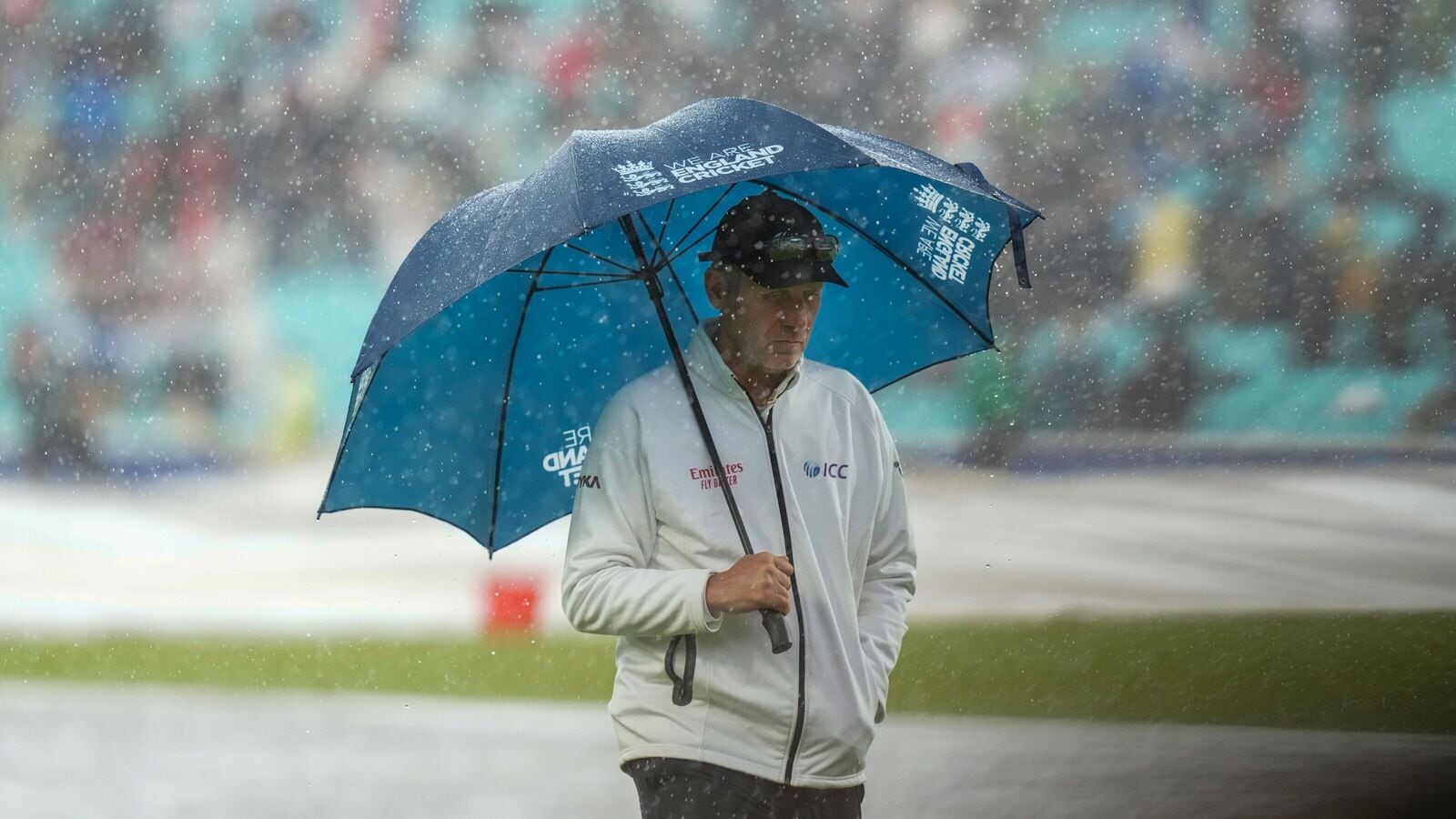
Understanding Modern Rainfall Prediction: A Deep Dive into Technology and Accuracy
The **Oval Day 5 rain forecast** is a topic of keen interest for many, highlighting the critical role of accurate rainfall prediction in planning major events and daily life. Rainfall prediction, a cornerstone of weather forecasting, relies on an array of sophisticated meteorological tools and methods. These technologies allow meteorologists to observe current conditions, model atmospheric processes, and ultimately forecast precipitation with increasing accuracy. Understanding how these forecasts are generated is key to interpreting them effectively, especially when preparing for an important event like the **Oval Day 5 rain forecast**.
The Technological Pillars of Precipitation Forecasting
Predicting rainfall involves a complex interplay of ground-based observations, satellite imagery, and powerful computer models. Each component offers unique insights, and their integration enhances the overall accuracy of the forecast.
Weather Radar: Your Eye on Local Precipitation
One of the primary tools for tracking rainfall is **weather radar**. Radar systems emit radio waves that bounce off precipitation particles (like raindrops, snowflakes, or hailstones) and return to the receiver. By analyzing the strength and timing of these reflected signals, meteorologists can determine the location, intensity, and movement of precipitation.
Doppler radar, a more advanced form, can also measure the velocity of precipitation towards or away from the radar, providing insights into storm dynamics and potential for severe weather. This capability is vital for issuing warnings for phenomena such as thunderstorms, tornadoes, and flash floods. The National Weather Service explains that Doppler radar’s ability to detect wind shear, a change in wind speed or direction over a short distance, is crucial for identifying rotating storms that may produce tornadoes [National Weather Service – Doppler Radar]. While radar provides detailed, localized information, its range is limited by the curvature of the Earth and terrain. This is where other technologies come into play to provide a broader picture, essential for a comprehensive **Oval Day 5 rain forecast**.
Satellites: A Global Perspective from Space
**Satellites** offer a broader perspective, capturing data from space that is crucial for understanding large-scale weather patterns and detecting rainfall in areas where ground-based radar may be sparse. Geostationary satellites orbit at a fixed position relative to Earth, providing continuous views of weather systems over a specific region, making them excellent for monitoring the development and movement of large storm systems. Polar-orbiting satellites, on the other hand, offer detailed, global coverage by orbiting from pole to pole, allowing them to collect data from every part of the planet over a 24-hour period.
Satellite instruments can measure cloud top temperatures, which correlate with storm intensity, and microwave radiometers can even penetrate clouds to directly observe precipitation within them. NOAA NESDIS highlights that these satellites provide critical data for monitoring hurricanes, tracking severe storms, and assessing global precipitation [NOAA NESDIS – Weather Satellites]. This global data is vital for forecasting heavy rainfall events, especially in remote regions or over oceans, where ground-based observations are scarce. For an event like the **Oval Day 5 rain forecast**, satellites provide the larger context of weather systems approaching the region.
Atmospheric Models: Simulating Tomorrow’s Weather
Beyond observational tools, **atmospheric models** are indispensable for predicting future rainfall. These complex computer programs use mathematical equations to simulate the behavior of the atmosphere based on current weather data. Meteorologists input observations from radars, satellites, weather stations, and other sources into these models, which then project how the atmosphere will evolve over time.
Numerical weather prediction (NWP) models, such as the Global Forecast System (GFS) or the European Centre for Medium-Range Weather Forecasts (ECMWF) model, run on supercomputers and provide forecasts for various atmospheric variables, including precipitation, temperature, and wind speed. The ECMWF emphasizes that these models represent the physical processes in the atmosphere, allowing forecasters to predict future weather states [ECMWF – What is Numerical Weather Prediction?].
Ensemble forecasting, which runs multiple versions of a model with slightly varied initial conditions, helps quantify forecast uncertainty and provides a range of possible rainfall outcomes, improving decision-making. NOAA explains that this approach provides a more complete picture of the forecast, helping users understand the confidence level in a particular outcome and the range of possibilities [NOAA – Understanding Weather Forecasts: What’s Ensemble Forecasting?]. For an event like the **Oval Day 5 rain forecast**, ensemble models are particularly useful for gauging the likelihood of rain and its potential intensity.
The integration of these diverse tools—from the detailed, localized view of radar to the expansive reach of satellites and the predictive power of atmospheric models—allows meteorologists to provide increasingly accurate and timely rainfall forecasts, crucial for everything from agriculture and water management to disaster preparedness and planning for significant outdoor events.
Decoding Rain Forecasts: Your Guide to Staying Dry (or Not!)
Understanding weather forecasts, especially those predicting rain, can sometimes feel like deciphering a secret code. Terms like “chance of rain” and “scattered showers” are common, but what do they truly mean for your daily plans, or for assessing the **Oval Day 5 rain forecast**? This guide will help you interpret these phrases and gauge the potential intensity of precipitation.
What Does “Chance of Rain” Really Mean?
When a forecast mentions a “chance of rain” or a “probability of precipitation (PoP),” it refers to the likelihood of measurable precipitation (typically 0.01 inches or more) occurring at any given point within the forecast area during the specified time frame. For example, a “30% chance of rain” doesn’t mean it will rain for 30% of the day, or that 30% of the area will see rain. Instead, it indicates that there’s a 30% probability that rain will occur at a specific location within the forecast zone. Higher percentages mean a greater likelihood of getting wet.
* **0-20% PoP:** Very low chance. You’re unlikely to see rain.
* **30-50% PoP:** Scattered showers or isolated thunderstorms are possible. Be prepared, but don’t cancel plans.
* **60-70% PoP:** Showers are likely, potentially widespread. You’ll probably need an umbrella.
* **80-100% PoP:** Rain is almost certain or already happening. Expect continuous or widespread precipitation.
Understanding PoP helps in making informed decisions. For a major event, a 30% chance might mean proceeding with caution, while an 80% chance would necessitate a robust contingency plan.
Navigating “Scattered Showers” vs. “Widespread Rain”
“Scattered showers” implies that precipitation will be sporadic and localized, affecting some areas within a region but not all simultaneously. Unlike widespread, continuous rain, showers are typically brief and can vary in intensity from light sprinkles to heavy downpours. If you see “scattered showers” in the forecast, it means you might encounter rain, but it’s equally possible to stay dry, depending on your exact location within the forecast area. This is a common forecast for events like the **Oval Day 5 rain forecast**, making preparation key.
In contrast, “widespread rain” or “continuous rain” indicates that precipitation is expected to cover a large geographical area and persist for an extended period, often associated with larger weather systems like cold fronts or low-pressure systems. This type of rain is more predictable in terms of coverage but can still vary in intensity.
Gauging the Intensity of Precipitation
Beyond just the chance of rain, understanding its potential intensity is crucial for planning. Meteorologists use specific terms to describe how heavy the rain might be:
* **Light Rain/Drizzle:** Often indicated by very small droplets, this type of precipitation typically results in minimal accumulation. It might be annoying, but rarely disruptive to outdoor activities. Visibility remains good.
* **Moderate Rain:** This is a steady rainfall that can accumulate more quickly and might require an umbrella or light rain gear. Visibility may be slightly reduced, and roads might become slick.
* **Heavy Rain/Downpour:** Characterized by large, numerous raindrops, heavy rain significantly reduces visibility and can lead to rapid accumulation and potential localized flooding. Thunderstorms are often associated with heavy rain, and can lead to more serious impacts.
* **Torrential Rain:** This term describes extremely heavy and sudden downpours, often associated with severe thunderstorms, tropical cyclones, or flash flood events. Accumulation is very rapid, leading to immediate visibility issues and a high risk of dangerous flooding.
Forecasters may also provide expected rainfall amounts over a period (e.g., “0.5 inches expected”), which offers a more quantitative measure of intensity. Additionally, severe weather alerts, such as Flash Flood Warnings, indicate a high potential for dangerous and intense rainfall. By understanding these common meteorological terms, you can make more informed decisions when interpreting rain forecasts, ensuring you’re better prepared for whatever the sky may bring, especially for something as anticipated as the **Oval Day 5 rain forecast**.
The Far-Reaching Impact of Significant Rainfall on Outdoor Schedules
Significant rainfall can profoundly impact outdoor schedules, leading to widespread disruptions across various sectors. From leisure activities to essential industries, heavy precipitation often necessitates adjustments, delays, or even complete cancellations. This is particularly relevant when considering the implications of an **Oval Day 5 rain forecast** for a major sporting event.
Disruption to Outdoor Events and Sports
Sporting events, concerts, and festivals are particularly vulnerable to adverse weather. Heavy rain can render playing fields unplayable, create hazardous conditions for participants and spectators, and damage equipment. This often results in delayed starts or postponed games, revised set times for musical acts, or in severe cases, the complete washout of an event. For a cricket match, like one that might be affected by an **Oval Day 5 rain forecast**, waterlogged outfields and slippery pitches can make play impossible and dangerous. Such cancellations can lead to significant financial losses for organizers (lost ticket sales, vendor fees, insurance claims) and immense disappointment for attendees who have traveled and planned their schedules around these events. The logistics of rescheduling can be complex, involving venue availability, performer schedules, and broadcasting rights.
Challenges in Construction and Infrastructure Projects
The construction industry faces considerable challenges when heavy rain strikes. Saturated ground can make excavation impossible, hinder the operation of heavy machinery (like cranes and excavators), and compromise the integrity of foundations. This directly leads to project delays, increased labor costs due to downtime for workers, and potential rescheduling conflicts for specialized equipment and personnel. For example, concrete pouring cannot occur in heavy rain, and trenches can fill with water, requiring extensive pumping and drying time. Prolonged periods of rain can push back completion dates by weeks or even months, impacting overall project budgets, contract penalties, and timelines, potentially delaying critical infrastructure development or housing projects. Safety is also a major concern, as wet conditions increase the risk of slips, falls, and electrocution on construction sites.
Impact on Agriculture
In agriculture, while rain is essential for crop growth, excessive amounts can be detrimental. Heavy downpours can cause severe soil erosion, washing away nutrient-rich topsoil crucial for plant health. Fields can become waterlogged or completely flooded, suffocating plant roots and leading to widespread crop damage or even total loss. Planting and harvesting schedules are often severely disrupted, with farmers forced to wait for drier conditions. This can lead to reduced yields, increased disease susceptibility in crops (due to prolonged dampness), and challenges in bringing produce to market, ultimately affecting food supply, commodity prices, and economic stability for agricultural communities. For instance, too much rain during the fruit-ripening stage can cause splitting or fungal diseases, while heavy rains during harvest can make fields impassable for machinery, leading to spoilage.
Broader Socio-Economic Repercussions
Beyond these specific sectors, significant rainfall can have broader socio-economic repercussions. Transportation networks can be severely affected, with reduced visibility on roads leading to increased accident risks, traffic congestion, and delays. Airports may experience flight cancellations or diversions due to poor visibility or flooded runways. Public services, such as waste collection and emergency response, can be hampered. Local economies might suffer from reduced retail activity as people stay home. The cumulative effect of these disruptions underscores the importance of robust contingency planning for any outdoor endeavor, whether it’s a community gathering, a large-scale industrial project, or preparing for the **Oval Day 5 rain forecast**.
Preparing for Rainy Events: A Guide for Attendees and Organizers
Rain can significantly impact outdoor events, turning a planned gathering into a logistical challenge. Both attendees and organizers need to be prepared to ensure a smooth and enjoyable experience, even when the weather takes an unexpected turn. This preparedness is particularly vital for high-profile events where an accurate **Oval Day 5 rain forecast** could dictate the day’s proceedings.
For Attendees: Navigating Rainy Events
Attending an outdoor event means being ready for any weather, especially rain. Your preparedness can make the difference between a memorable day and a miserable one.
* **Dress Appropriately**: Always check the weather forecast before heading out. Pack a lightweight, waterproof jacket or a compact umbrella. Layering your clothing is advisable, as temperatures can drop with rain and wind. Opt for waterproof footwear, such as rain boots or water-resistant shoes, to keep your feet dry and comfortable [Wunderground – What to Wear for Rainy Weather]. Consider bringing a change of socks or even a full change of clothes if the forecast is particularly bleak.
* **Protect Your Valuables**: Bring resealable plastic bags or a waterproof pouch to protect your phone, wallet, keys, and other electronics from moisture. A waterproof backpack or bag is highly recommended for your belongings, especially if you plan to carry snacks, drinks, or extra layers. Even a simple plastic cover for your bag can make a big difference.
* **Stay Hydrated and Fueled**: While rain might cool things down, physical activity and walking can still lead to dehydration. Bring a water bottle and easy-to-eat snacks.
* **Stay Informed**: Event organizers typically use various channels to communicate updates. Before and during the event, monitor the official event website, social media pages (like X, Facebook, Instagram), and email newsletters for real-time announcements regarding delays, schedule changes, or cancellations [Eventbrite – How to Manage Event Cancellations]. Having portable chargers for your devices is also a good idea to ensure you don’t lose access to these updates, especially if you’re relying on your phone for ticketing or navigation. For a major event like the **Oval Day 5 rain forecast**, expect frequent updates from official channels.
* **Maintain a Positive Attitude**: Rain can be a minor inconvenience if you’re prepared. Embrace the experience, and remember that even rainy days can create unique memories.
For Organizers: Managing Rain-Affected Days
Event organizers face the critical task of planning for contingencies when rain is a possibility. Proactive measures and clear communication are key to minimizing disruption and ensuring attendee safety and satisfaction. The success of an event hinges on how well organizers can pivot in response to an unexpected **Oval Day 5 rain forecast**.
* **Develop a Robust Rain Plan**: A comprehensive contingency plan is essential. This includes identifying alternative indoor venues or covered spaces, having ample tents or temporary shelters, and considering options for rescheduling parts of the event [Event Manager Blog – How to Plan an Outdoor Event for Rain]. The plan should detail roles and responsibilities for staff during weather changes, decision-making protocols for delays/cancellations, and communication strategies.
* **Prioritize Communication**: Establish clear, multi-channel communication strategies for relaying weather-related updates to attendees, staff, and vendors. This could involve push notifications via an event app, frequent social media posts, email alerts, website banners, and clear signage at the venue. Transparency about decisions, even if it means cancellation, builds trust and manages expectations. Pre-event communication should advise attendees on what to expect and how to stay informed.
* **Ensure Safety and Comfort**: Rainy conditions can create hazards. Implement measures to manage slippery surfaces (e.g., placing anti-slip mats, ensuring proper drainage), ensure proper drainage to prevent standing water, and secure any temporary structures (tents, stages) against wind and rain. Have ample staff available to direct attendees to sheltered areas, provide assistance, and manage crowd flow safely. Consider providing amenities like ponchos for sale or even complimentary, access to warm beverages, and designated dry areas to enhance comfort.
* **Protect Equipment and Infrastructure**: Crucial equipment, especially electronics, sound systems, and lighting rigs, must be protected from water damage. Have tarps, covers, and dry, elevated storage areas readily available. For events with stages or intricate setups, consider weather-resistant components or designs from the outset. Ensure power cables are properly insulated and routed to prevent electrical hazards in wet conditions.
* **Staff Training**: Train all staff on weather contingency plans, including emergency procedures, evacuation routes, and communication protocols. They should be aware of their roles and how to assist attendees effectively and safely.
* **Post-Event Considerations**: If an event is significantly affected or canceled, have a plan for refunds or ticket transfers, and manage public relations effectively to maintain a positive brand image.
By taking these steps, both attendees and organizers can mitigate the challenges posed by rain, ensuring that outdoor events remain as successful and enjoyable as possible, even in the face of an unpredictable **Oval Day 5 rain forecast**.
The Evolving Nature of Forecasts: Why Staying Updated is Key
The atmosphere is a complex and chaotic system, meaning small changes can lead to significant differences in weather patterns. This is why forecasts frequently evolve, and staying updated is crucial, especially when planning for critical moments like the **Oval Day 5 rain forecast**.
Atmospheric Chaos and the Butterfly Effect
Atmospheric conditions are constantly changing due to factors like temperature, pressure, and humidity. Even slight variations in these elements, sometimes referred to as the “butterfly effect,” can profoundly alter wind patterns, cloud development, and storm trajectories, leading to shifts in predicted weather. Meteorologists use sophisticated models and vast amounts of data to make predictions, but the inherent unpredictability of the atmosphere means that initial forecasts are refined as new information becomes available [Butler Nature – Edward McNabb Pioneer of Conservation Bioacoustics and Nocturnal Ecology Died on May 7th Aged 81]. These refinements are not indications of inaccuracy but rather an improvement of the forecast as more precise observational data becomes available closer to the forecast time.
Continuous Improvement of Forecasting Models
Weather models are constantly being improved through advancements in computing power, better understanding of atmospheric physics, and more sophisticated data assimilation techniques that allow models to better incorporate real-time observations. Higher-resolution models can capture more localized phenomena, leading to more precise predictions of features like localized heavy rainfall or specific wind gusts. This continuous evolution means that a forecast issued 48 hours out will likely be less precise than one issued 12 hours out, necessitating regular checks.
The Human Element in Forecasting
While models are powerful, human meteorologists play a vital role in interpreting model output, applying local knowledge, and making final forecast decisions. They understand the limitations of different models, identify potential biases, and can integrate observational data (radar, satellite, surface observations) that models might not yet fully process. Their expertise is crucial in translating complex scientific data into understandable and actionable forecasts for the public. This human expertise is especially valuable for nuanced situations, such as determining the exact timing and intensity of rainfall for the **Oval Day 5 rain forecast**.
Being flexible and staying informed allows you to adapt to these changes, whether it’s planning your daily commute or preparing for a major weather event. For instance, an initial forecast for scattered showers might evolve into a prediction for severe thunderstorms, requiring you to adjust your plans for safety. Therefore, regularly checking updated forecasts from reliable sources (like national weather services or reputable meteorological organizations) is essential for making informed decisions and staying prepared for whatever the weather brings. For any major event, especially one as anticipated as the **Oval Day 5 rain forecast**, checking the latest updates multiple times a day is a wise strategy.
Sources
- Butler Nature – Edward McNabb Pioneer of Conservation Bioacoustics and Nocturnal Ecology Died on May 7th Aged 81
- ECMWF – What is Numerical Weather Prediction?
- Eventbrite – How to Manage Event Cancellations
- Event Manager Blog – How to Plan an Outdoor Event for Rain
- NOAA NESDIS – Weather Satellites
- NOAA – Understanding Weather Forecasts: What’s Ensemble Forecasting?
- National Weather Service – Doppler Radar
- World Gossip – Kohli, Wimbledon, Edgbaston Insights
- Wunderground – What to Wear for Rainy Weather
