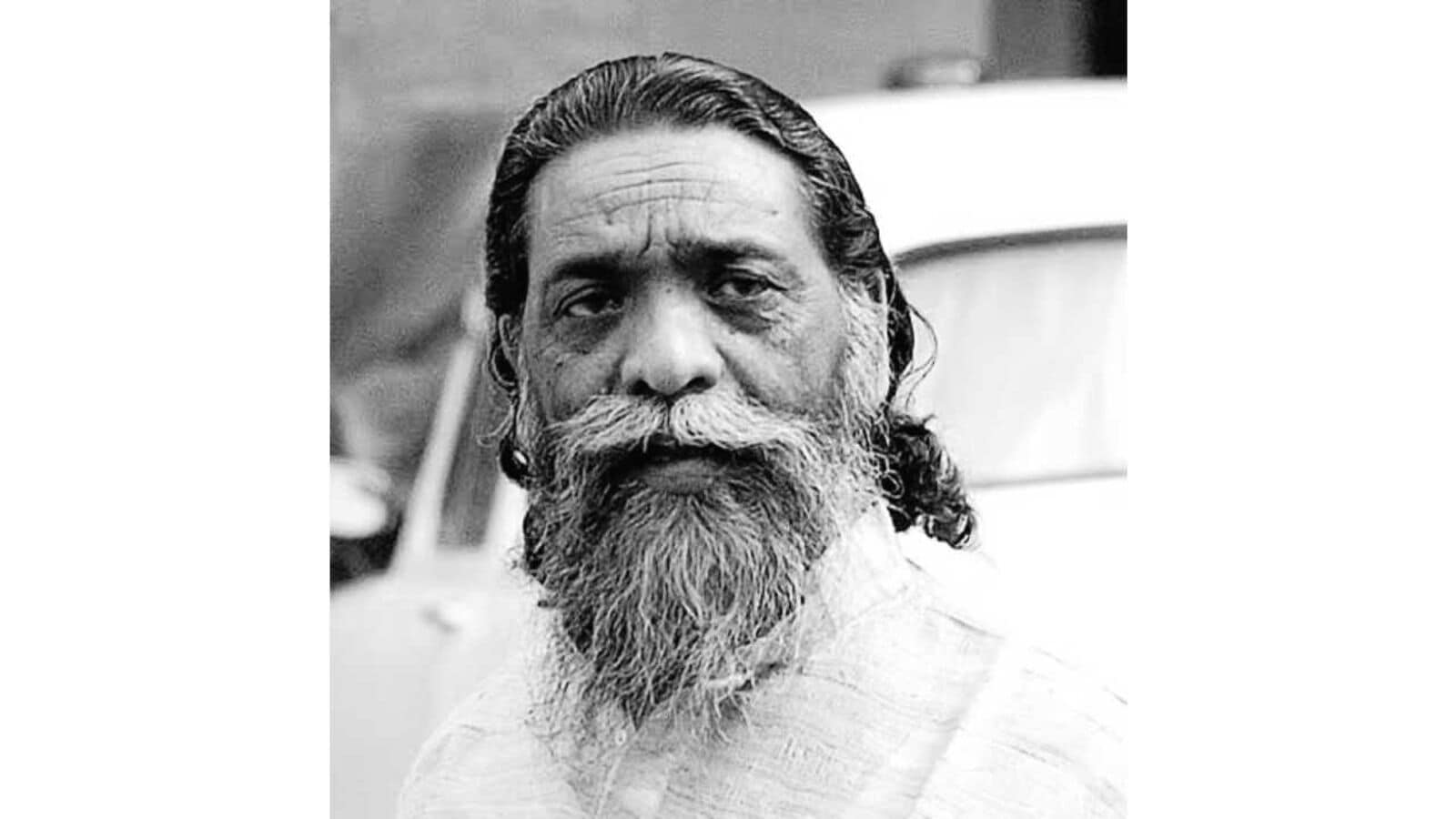
Shibu Soren: A Champion of Jharkhand’s Tribal Identity
As a foundational figure and enduring **Shibu Soren Jharkhand icon**, Guruji, or Dishom Guru, Shibu Soren’s impact on the socio-political landscape of India, particularly within the state of Jharkhand, is profound and undeniable. His journey epitomizes a relentless fight for the rights and upliftment of indigenous communities, solidifying his status as a revered leader.
The Genesis of a Movement: Forging Jharkhand’s Path
Shibu Soren, recognized widely as a **Shibu Soren Jharkhand icon**, played a pivotal role in the arduous struggle for a separate state of Jharkhand. His unwavering commitment to the cause of tribal self-determination and resource control positioned him at the forefront of a historical movement. In 1972, he co-founded the Jharkhand Mukti Morcha (JMM), a political party that became the primary vehicle for advocating the long-standing demands of the region’s indigenous populations (Business Standard – Who is Shibu Soren?). The establishment of JMM marked a significant turning point, providing a unified voice for communities that had long faced marginalization, exploitation, and displacement.
Soren’s early activism was laser-focused on addressing critical issues plaguing the tribal communities. These included severe land alienation, where tribal lands were unlawfully seized, and the lack of recognition for their inherent forest rights. He tirelessly campaigned for the economic empowerment of tribals, recognizing that true liberation lay in securing their livelihoods and traditional ways of life. Through his leadership, the aspirations of countless individuals found expression, transforming a regional outcry into a potent national issue. His strategic vision and ability to mobilize grassroots support were instrumental in laying the groundwork for the eventual formation of Jharkhand as a distinct state (Indian Express – Shibu Soren takes a backseat, JMM, Jharkhand politics).
Guruji’s Political Legacy: Leadership and Governance
Throughout his extensive political career, Shibu Soren, the undisputed **Shibu Soren Jharkhand icon**, served multiple terms as the Chief Minister of Jharkhand. His first tenure began in 2004, followed by subsequent terms in 2006 and 2008. These periods, while marked by significant political achievements, also saw their share of controversies, a common thread in the complex fabric of Indian politics (Indian Express – Shibu Soren takes a backseat, JMM, Jharkhand politics). Despite the challenges, his time in office reinforced his commitment to the principles he had championed for decades, attempting to translate the goals of the Jharkhand movement into concrete policies.
As Chief Minister, Soren worked towards implementing policies aimed at protecting tribal land, a cornerstone of his decades-long struggle. His administration focused on initiatives that would preserve and promote the rich cultural identity of Jharkhand’s indigenous groups, ensuring their traditions and heritage were not eroded by external pressures. The very foundation of the state’s socio-political framework owes much to the policies and advocacy spearheaded by this eminent **Shibu Soren Jharkhand icon**. His leadership ensured that the unique needs and aspirations of tribal communities remained central to the state’s governance, setting a precedent for future administrations.
Enduring Influence and Future Generations
The lasting influence of Shibu Soren, truly a **Shibu Soren Jharkhand icon**, is vividly apparent in the contemporary political and social discourse of Jharkhand. Even as his direct involvement in active politics has somewhat receded in recent years, his legacy continues to shape the state’s trajectory. He successfully mobilized tribal populations on an unprecedented scale, bringing their long-standing demands for self-rule and control over their natural resources to the forefront of national attention. This mobilization was not merely about political power; it was about reclaiming dignity and agency for marginalized communities.
The groundwork he laid for policies focused on protecting tribal land and promoting cultural identity remains a crucial part of Jharkhand’s governance. His vision resonates strongly today, guiding policy-makers and activists alike. The continuity of his legacy is further cemented by the leadership of his son, Hemant Soren, who now helms the Jharkhand Mukti Morcha (JMM) (Livemint – Who is Shibu Soren ‘Guruji’ of Jharkhand?). This transition ensures that the principles and objectives championed by the elder Soren continue to drive the party’s agenda, perpetuating the influence of the **Shibu Soren Jharkhand icon**.
Shibu Soren’s contributions stand as a powerful testament to the transformative potential of sustained grassroots movements in achieving profound political and social change. His journey from a tribal activist to a chief minister and a universally acknowledged **Shibu Soren Jharkhand icon** underscores the importance of persistent advocacy for justice and equality. The very existence and identity of Jharkhand are inextricably linked to his tireless efforts, cementing his place in history as the “Guruji” who guided his people towards a new dawn. He remains a guiding light, a true **Shibu Soren Jharkhand icon**, for those committed to upliftment and empowerment.
