The Strategic Emergence of India’s Power Battery Market
The **India power battery** market is rapidly emerging as a critical component shaping the nation’s energy future and ambitious electric mobility goals. This burgeoning sector is experiencing significant growth, propelled by a surging demand for electric vehicles (EVs) and the crucial need for robust renewable energy storage solutions. For India, this growth is not merely economic; it is a strategic imperative designed to reduce the country’s reliance on fossil fuels, significantly enhance its energy security, and actively contribute to global efforts in combating climate change.
The Indian government has recognized the pivotal role of a strong domestic battery ecosystem. In response, it has proactively promoted indigenous manufacturing of advanced chemistry cells (ACC) and batteries through cornerstone initiatives such as the Production Linked Incentive (PLI) scheme. This forward-looking scheme is strategically designed to attract substantial investments into large-scale giga-factories. The ultimate aim is to enable the production of batteries at a magnitude sufficient to meet national demand, thereby substantially reducing import dependency and fostering a resilient, local supply chain. Such governmental initiatives are indispensable for achieving India’s ambitious EV penetration targets and underpinning its broader transition towards a cleaner, more sustainable energy landscape.
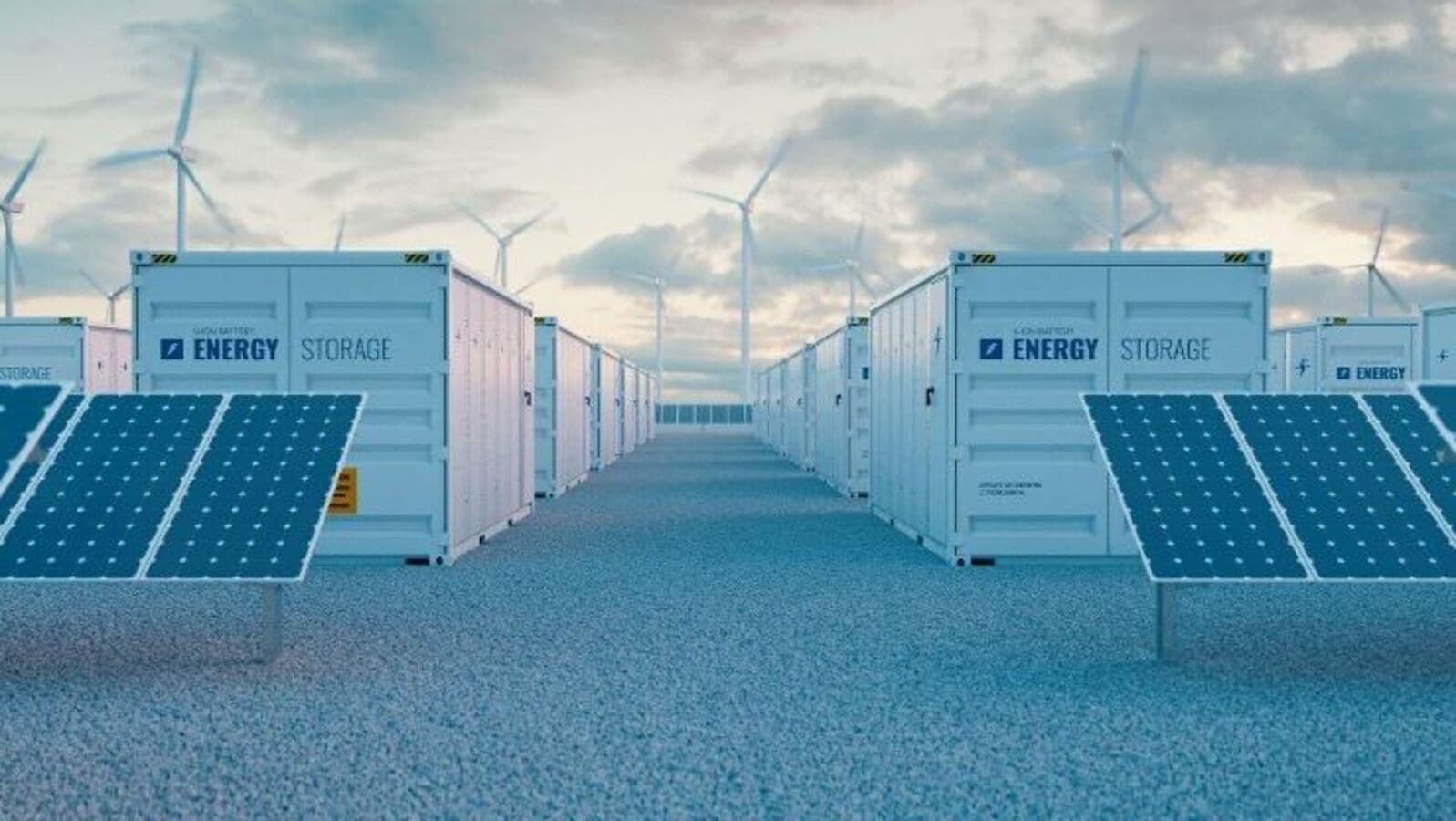
The expansion and maturation of the **India power battery** market extend beyond just electric vehicles. It is equally vital for the successful integration of intermittent renewable energy sources, such as solar and wind power, into the national grid. Batteries offer the essential storage solutions required to ensure grid stability and reliability, especially as the proportion of variable renewable energy increases. This dual application – supporting both the electrifying of transport and the decarbonization of the power grid – underscores the profound strategic importance of a thriving domestic power battery industry for India’s overall energy independence and long-term sustainability goals. As India continues its determined push towards a greener future, the **India power battery** market is undeniably poised to play a central and transformative role in shaping its energy landscape and revolutionizing its mobility solutions. For deeper insights into India’s comprehensive clean energy efforts, further exploration is available in our article on India’s Clean Energy Transition: The Economics of a Green Future.
Key Drivers Propelling India’s Battery Sector Growth
India’s battery sector is experiencing a period of unprecedented growth, driven by a powerful confluence of macroeconomic, environmental, and policy-driven factors. This expansion is fundamentally reshaping the nation’s industrial landscape and accelerating its transition towards a sustainable future, with the **India power battery** industry at its core.
The Electric Vehicle Revolution
One of the foremost catalysts for the booming battery sector is the burgeoning electric vehicle (EV) market. As India commits increasingly to cleaner transportation solutions, the demand for EV batteries, predominantly lithium-ion batteries, is experiencing an exponential surge. This remarkable rise is not solely propelled by environmental imperatives, such such as the urgent need to reduce air pollution and carbon emissions, but also by tangible economic benefits for consumers, primarily through significantly reduced fuel costs compared to traditional internal combustion engine vehicles. The market is witnessing rapid expansion across all segments, with a particular emphasis on two-wheelers and three-wheelers, which are not just niche markets but are fundamental and pervasive segments of India’s diverse mobility landscape, especially in urban and semi-urban areas. The widespread adoption of these electric variants directly translates into a massive, sustained demand for advanced **India power battery** solutions, pushing manufacturers to scale up production and innovate.
Renewable Energy Integration and Grid Stability
Simultaneously, the increasing integration of renewable energy sources, such as solar and wind power, into the national grid is creating a substantial and urgent need for advanced energy storage solutions. Large-scale battery storage systems are no longer a luxury but an absolute necessity for modernizing the grid. They are essential for stabilizing grid fluctuations, effectively managing the inherent intermittency that comes with solar and wind power generation, and ultimately ensuring a reliable and uninterrupted power supply across the country. This growing demand from the renewable energy sector represents a colossal opportunity for battery manufacturers, developers, and integrators. These systems provide the flexibility needed to store excess energy generated during peak production times and release it when demand is high or renewable output is low, thereby enhancing grid resilience and efficiency. India’s unwavering commitment to clean energy, which underpins this demand for storage, is further elaborated in articles like “India’s Clean Energy Transition: The Economics of a Green Future,” highlighting the symbiotic relationship between renewable energy expansion and the growth of the **India power battery** sector.
Governmental Support and Incentive Schemes
Furthermore, the proactive and robust support from governmental initiatives is playing a truly pivotal role in accelerating the sector’s growth. Policies such as the Production Linked Incentive (PLI) scheme for Advanced Chemistry Cell (ACC) battery manufacturing are meticulously designed to provide significant financial incentives. These incentives aim to boost indigenous production capacities, drastically reduce reliance on costly imports, and vigorously foster innovation and research within the country. These government-backed incentives are attracting substantial investments into the establishment of gigafactories and extensive research and development facilities. This strategic push is progressively positioning India as an emerging global hub for cutting-edge battery technology and manufacturing. This strong focus on “Made in India” initiatives aligns perfectly with the broader national agenda to achieve self-reliance across critical industrial sectors, ensuring that the growth of the **India power battery** market is not just about meeting demand, but also about building national strategic capabilities. The comprehensive policy framework is fostering an environment where the **India power battery** industry can flourish, attracting both domestic and international players to invest in the country’s burgeoning energy storage ecosystem.
Navigating the Hurdles: Challenges Facing India’s Power Battery Industry
While India’s **power battery** industry is poised for significant growth, it confronts a complex array of multifaceted challenges that, if not adequately addressed, could impede its sustainable development and long-term competitiveness. These challenges span from fundamental issues of resource availability to intricate technological hurdles and the relentless quest for economic viability in a globally competitive market.
Dependence on Critical Raw Material Sourcing
A primary and significant obstacle for India’s domestic battery manufacturing sector is its pronounced heavy reliance on imported raw materials. Key components such as lithium, cobalt, and nickel, which are absolutely essential for the prevalent lithium-ion batteries powering modern EVs and energy storage systems, are not readily available or mined in significant quantities within India. This critical dependence on volatile global supply chains exposes the nascent **India power battery** industry to considerable price volatility in international markets and unpredictable geopolitical risks. For instance, India currently imports nearly all its lithium and cobalt, making its battery production highly vulnerable to disruptions in source countries like Australia (for lithium) and the Democratic Republic of Congo (for cobalt) [Source: Livemint – India seeks to reduce lithium import dependence]. The severely limited domestic mining and processing capabilities for these critical minerals necessitate the urgent establishment of strategic international partnerships and a much more aggressive domestic exploration drive within India to secure a diversified and more stable supply chain for the future of the **India power battery** sector. Without a reliable and cost-effective supply of these foundational inputs, scaling up indigenous battery production remains a daunting task, directly impacting the competitiveness and self-sufficiency of the **India power battery** industry.
Bridging the Technological Gap
Despite a surging interest and investment, India’s **power battery** industry grapples with significant technological shortcomings that pose a considerable barrier to its advancement. A major challenge is the insufficient indigenous research and development (R&D) in advanced battery chemistries and sophisticated manufacturing processes. Currently, many Indian manufacturers primarily rely on licensed technologies acquired from foreign companies, which, while providing a rapid entry into the market, can inherently limit local innovation, restrict intellectual property development, and hinder true self-sufficiency in the long run. There is a pressing, undeniable need to invest substantially in cutting-edge battery technologies. This includes exploring and developing next-generation solutions such as solid-state batteries, which promise higher energy density and enhanced safety, or alternative chemistries that can utilize more abundant and less costly raw materials. The goal is not just to match, but to surpass existing technologies in terms of energy density, safety profiles, lifespan, and, crucially, to reduce overall production costs. Bridging this critical technological gap requires unprecedented levels of sustained government support, robust academic collaboration between universities and industry, and significant private sector investment into R&D infrastructure, cutting-edge laboratories, and specialized talent development. Cultivating a strong, homegrown scientific and engineering base is paramount for the **India power battery** industry to innovate independently and carve out its unique niche on the global stage.
Developing Robust Infrastructure
The ultimate success and widespread adoption of the **India power battery** industry are intrinsically linked to the parallel development of a comprehensive and robust charging and energy storage infrastructure. For electric vehicles, a sparse, inconsistent, and underdeveloped charging network continues to be a significant psychological and practical barrier to widespread consumer adoption. While concerted efforts are undeniably underway to expand the network of EV charging stations across the country, the pace of deployment needs to accelerate dramatically, especially in semi-urban and vast rural areas, to alleviate range anxiety and make EVs a truly viable option for all. Similarly, for large-scale, grid-level energy storage solutions, there is an urgent demand for seamless integration of advanced battery systems with the existing and often aging power grid. This necessitates not only the physical installation of large battery farms but also the implementation of sophisticated smart grid technologies and the formulation of progressive policy frameworks that actively incentivize and facilitate large-scale energy storage deployments. Without adequately developed and accessible infrastructure, the potential demand for **power battery** solutions, particularly for EVs, will remain constrained, limiting the industry’s growth trajectory. This infrastructure challenge also inextricably links into the broader narrative of India’s ambitious clean energy transition, as extensively discussed in “India’s Clean Energy Transition: The Economics of a Green Future” [Source: WorldGossip.net – India’s Clean Energy Transition: The Economics of a Green Future].
Achieving Cost Competitiveness
Achieving genuine cost competitiveness is absolutely paramount for the Indian **power battery** industry to not just survive, but to thrive and compete effectively against established global players, particularly those from East Asian economies like China, which benefit from immense economies of scale and mature supply chains. High domestic manufacturing costs, largely attributable to the reliance on imported raw materials and the current limitations in achieving significant economies of scale, often render Indian-produced batteries more expensive than their imported counterparts. The pervasive lack of a fully integrated local supply chain means that various critical components and sub-assemblies are still imported, further inflating the overall production cost. To effectively overcome this formidable challenge, the **India power battery** industry must strategically focus on aggressive localized manufacturing efforts, develop robust domestic raw material processing capabilities, and innovate relentlessly in developing cost-effective battery designs and highly efficient production methods. Governmental incentives, such as the Production Linked Incentive (PLI) scheme for Advanced Chemistry Cell (ACC) battery manufacturing, are specifically designed to mitigate these high costs, attract substantial investment, and foster a truly competitive and self-reliant domestic industry. This commitment to reducing costs and enhancing local value addition is crucial for the long-term viability and global standing of the **India power battery** sector.
