To hear Tannishtha Chatterjee speak about her “girl gang”, with a youthful excitement in her voice, is to be reminded of the essence of Jhumpa Lahiri’s short story Only Goodness from her collection Unaccustomed Earth (2008). The author portrays sister-like bonds, albeit through a brother-sister relationship, but symbolic in spirit, of sisters as people who carry each other silently. For Chatterjee, the notion and power of urban sisterhood is a recent awakening.
Delhi-girl Chatterjee, whose family has lived in Kenya, Australia and London, pivoted from chemistry (Sri Venkateshwara college) to dramatics (National School of Drama) while her friends pursued medicine, biochemistry or biotechnology. She’s been a “drama-magnet”, she says with a laugh.
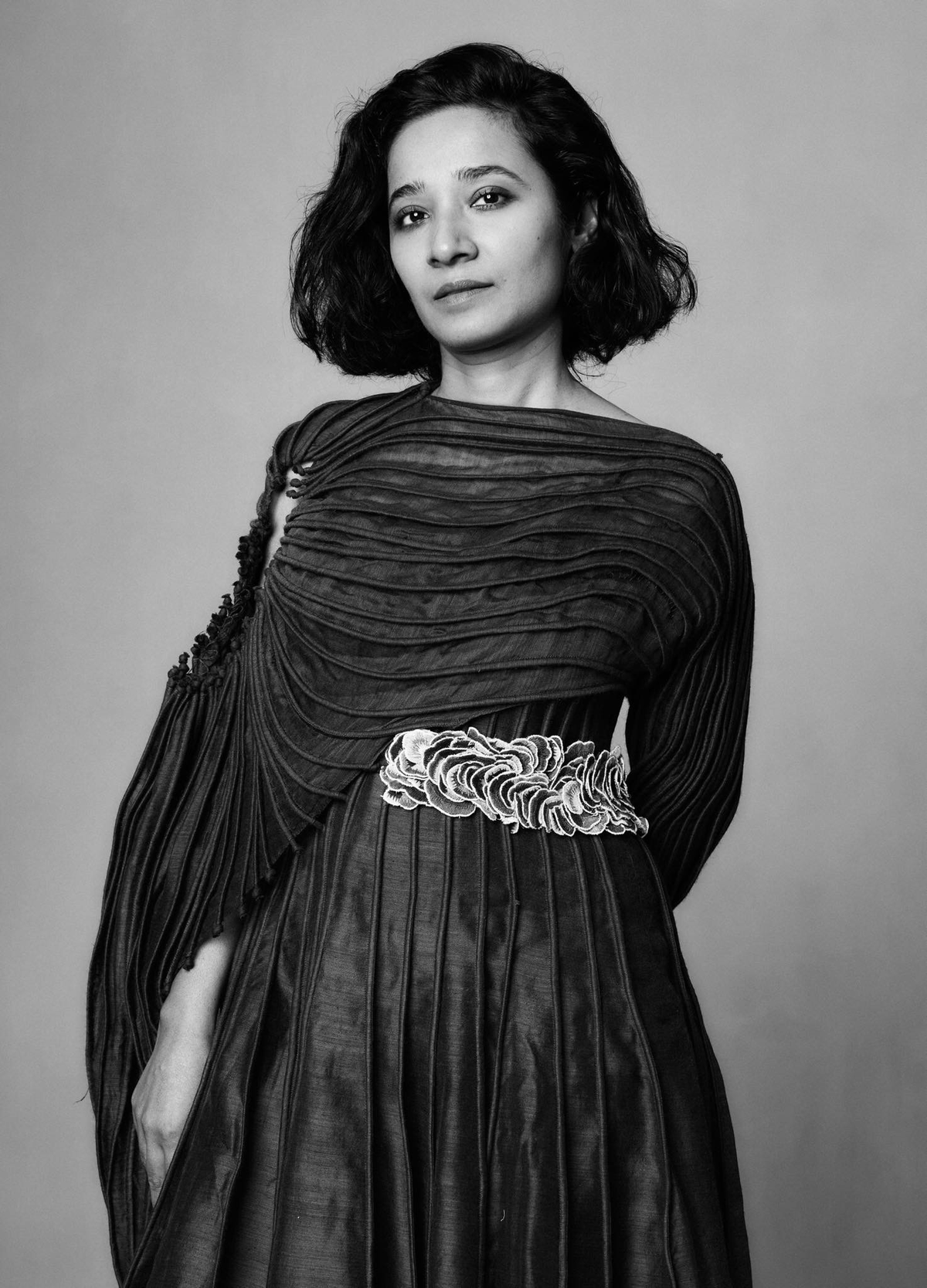
Actor, director and playwright Tannishtha Chatterjee.
| Photo Credit:
Courtesy Tannishtha Chatterjee
At NSD, Anwar Jamal saw her play and cast her in Swaraaj (2003). Then she did Raja Menon’s Bollywood film Bas Yun Hi (2003); Academy Award-winning Florian Gallenberger’s Bengali-language German film Shadows of Time followed; and Sarah Gavron’s British film, Brick Lane (2007), “and after that I moved to London for five years. I also got married within four months of courtship,” she says. Chatterjee, who was seen in Devashish Makhija’s Joram (2023), has never done the big Bollywood film. She quips, “I’m a kind of a person who does what comes my way. I don’t go out and get my pictures taken. Casting directors call me and I give my auditions very sincerely.”
A drama called life
In London, she did a lot of theatre, including a musical at the Royal Opera House, West End. Back in India, she did shows with Daksha Sheth Dance Company, Zuleikha Allana, Kirti Jain, Roysten Abel and Vidya Jagdale. Currently, she’s writing a musical-comedy play, Breast of Luck, on breast cancer, with actor Sharib Hashmi, who’s been a caregiver to his four-time, cancer-survivor wife. Hashmi is also an actor in Chatterjee’s sophomore Full Plate. Her directorial debut was with the Nawazuddin Siddiqui-starrer Roam Rome Mein (2019).
Chatterjee was at Thiruvananthapuram, at the 30th International Film Festival of Kerala, where the Kirti Kulhari-starrer Full Plate screened in the Indian Cinema Now segment. The film, seen through the lens of food, is inspired from the life of her cook — about a Muslim woman who juggles career, relationships, personal expectations and emotional fulfilment in modern urban life — because she wears hijab, most people don’t want to hire her.
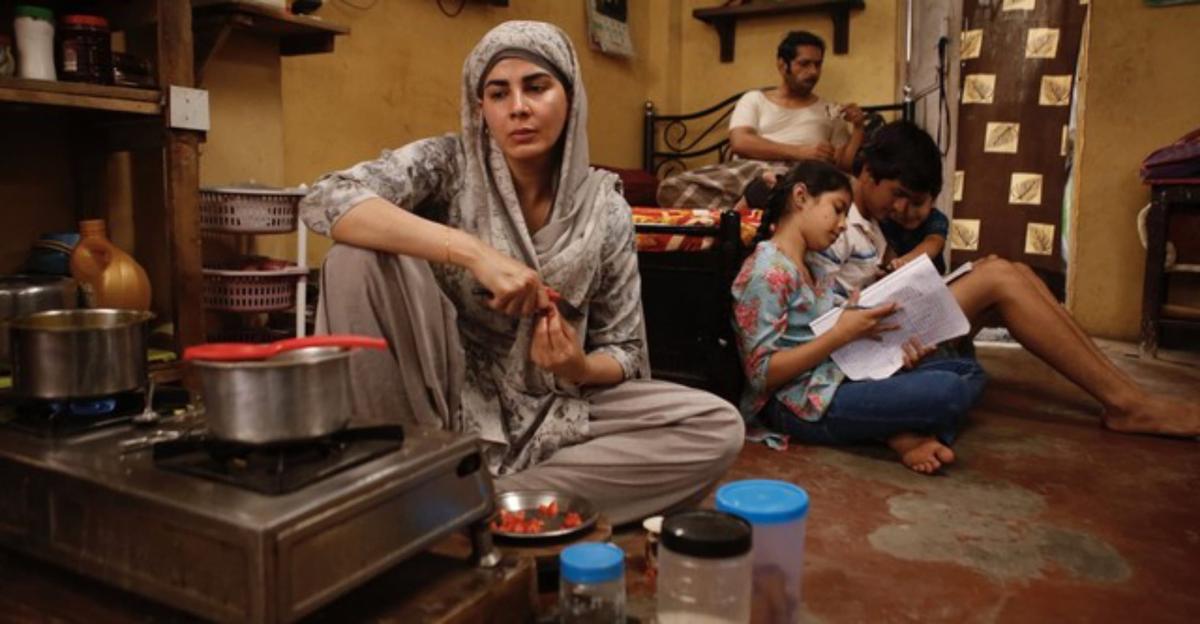
A still from Full Plate, starring Kirti Kulhari and Sharib Hashmi.
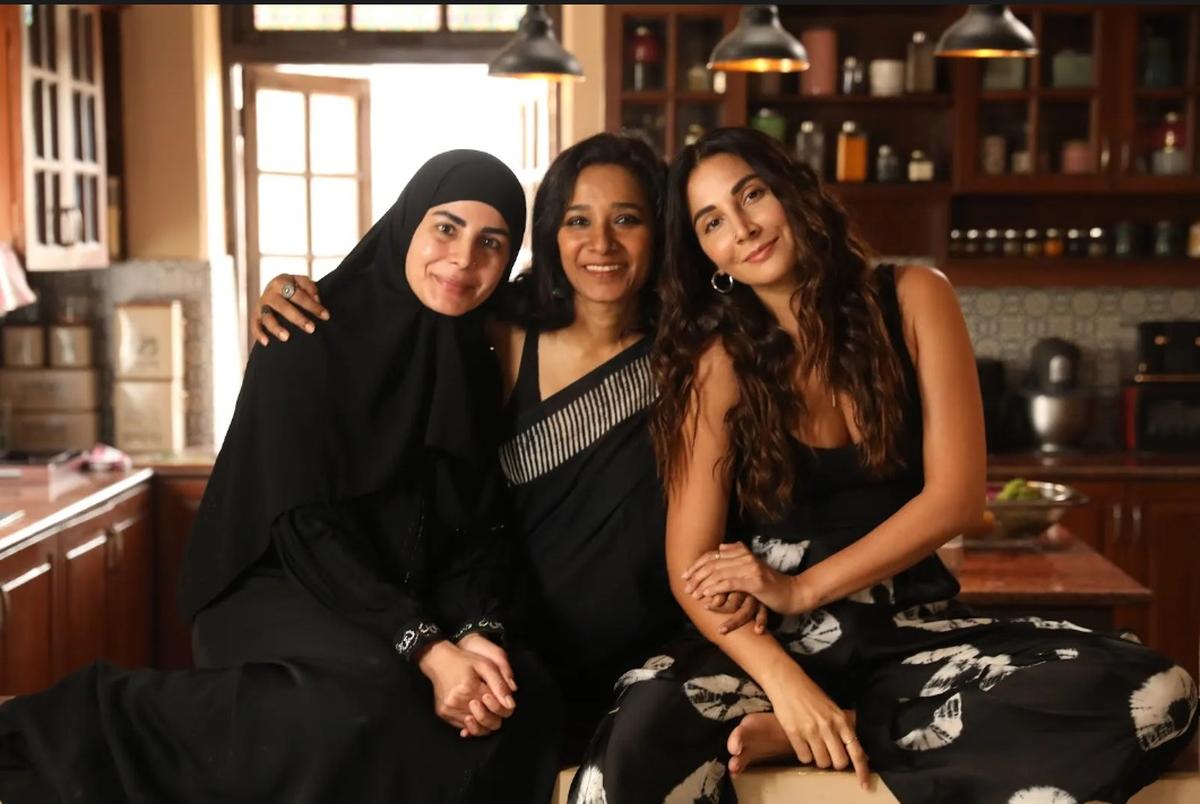
A BTS shot of the making of Full Plate.
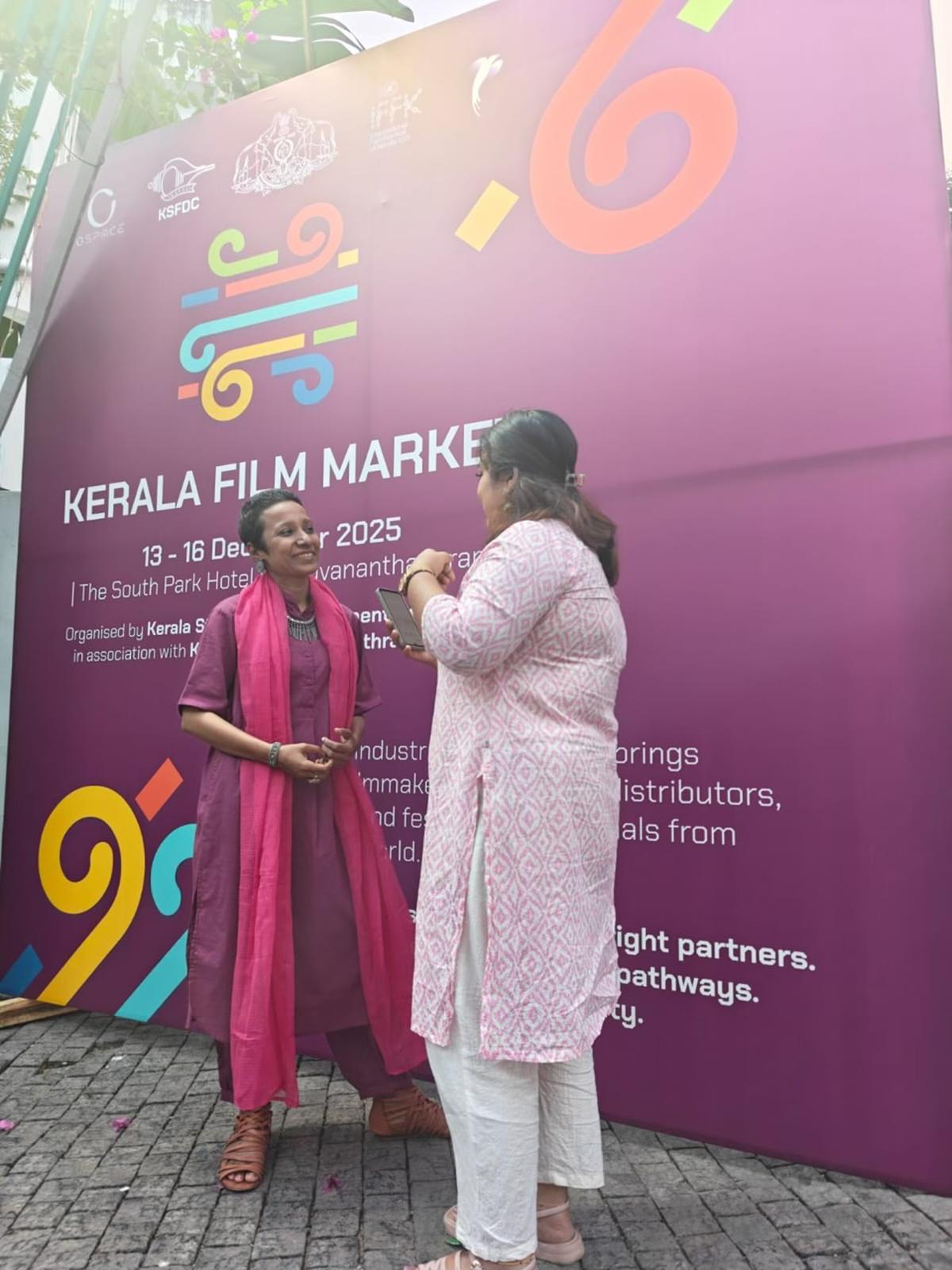
Glimpses from IFFK Kerala 2025
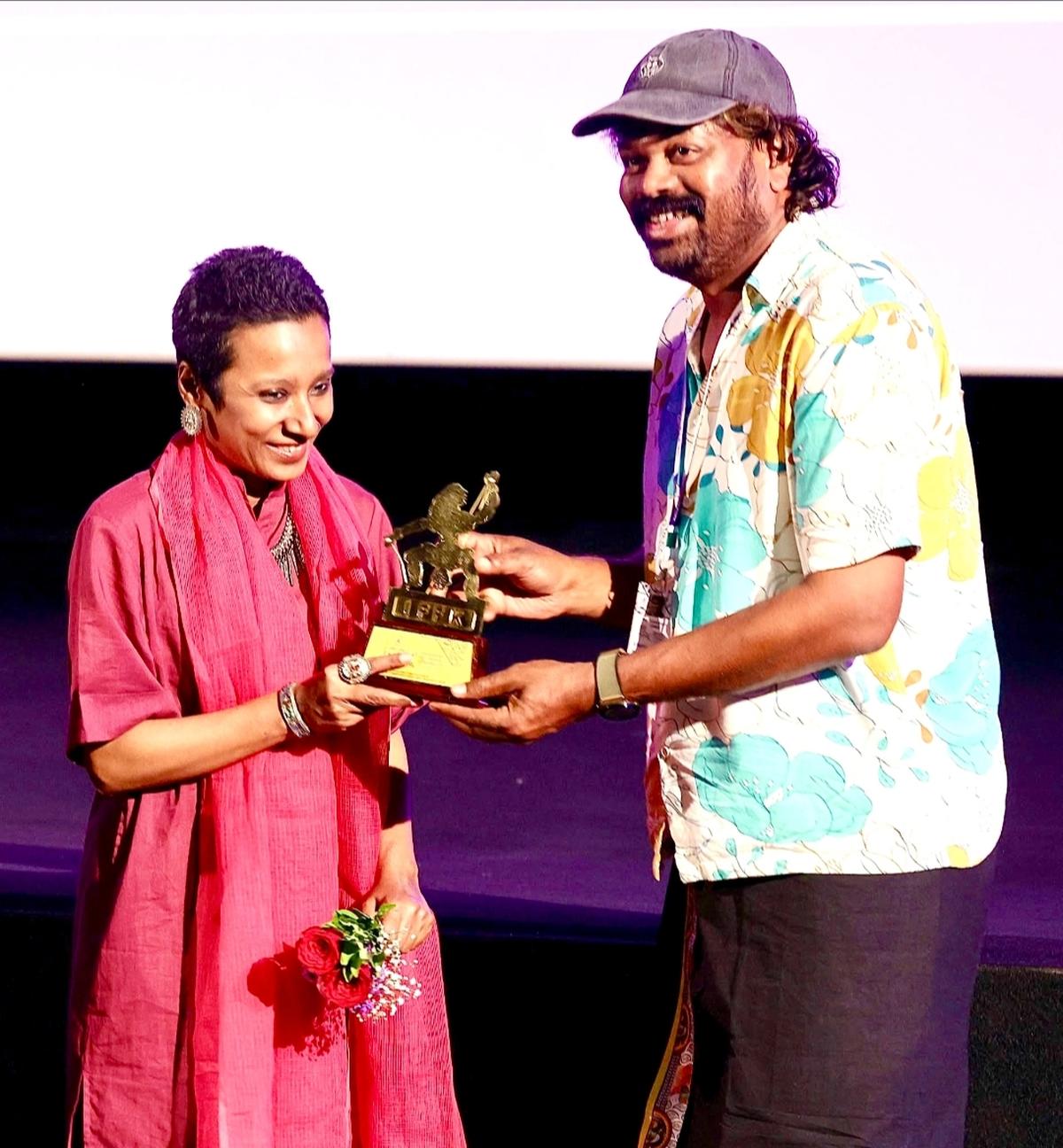
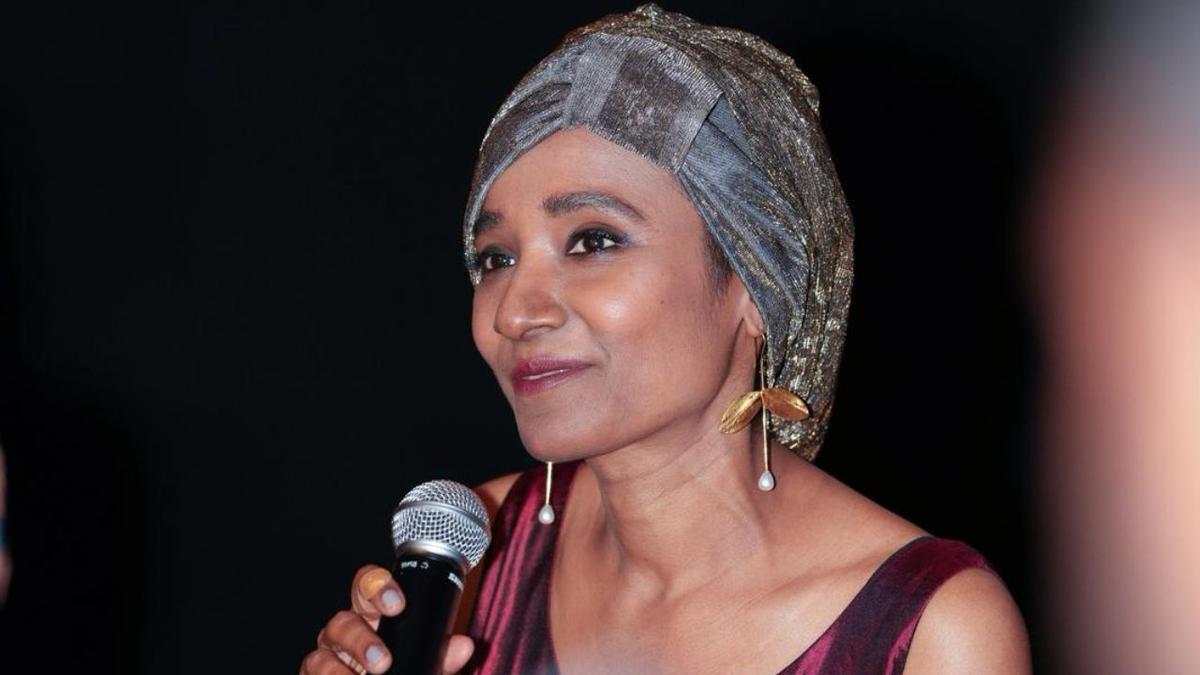
Tannishtha Chatterjee felicitated at IFFK Kerala 2025.
Making cinema with female perspective
The director says she’s “looking for interesting stories. Whether it’s male-centric or women-centric, like Roam Rome Mein had a male protagonist but it was about a woman, the worldview and gaze will still be mine,” she says.
I ask her if we have regressed in terms of cinema writing, particularly in Bollywood, and she quips, “Society, in general, has.”
Not enough women-led roles are being written in Hindi cinema right now. “Look at Rekha’s biggest hit, Umrao Jaan (1981). It was a blockbuster back then. Imagine a film which is centred on a woman, with great music and a sad love story, written by a man, and that was a blockbuster, we don’t have that anymore,” she says, adding, “Some of the films that Vidya did (Kahani, Dirty Picture), those two were perhaps the last ones, where are the solo women stars now, like the yesteryear Madhubala, Meena Kumari, Mala Sinha, Suchitra Sen, Sridevi? People used to go to watch them, they would watch an Uttam-Suchitra film not only because it was an Uttam Kumar film but a Suchitra Sen film, too. Her Hindi film Mamta (1966) and Aandhi (1975) are driven by her, she is the central character in spite of Dharmendra and Sanjeev Kumar, respectively, who were the big Bollywood stars, or Dream Girl (1977), spotlighting Hema Malini, despite Dharmendra in it. Now, every once in a while, there might be a Gangubai (2022), Queen (2013), Tanu Weds ManuReturns (2015), but those are too few and far between.”
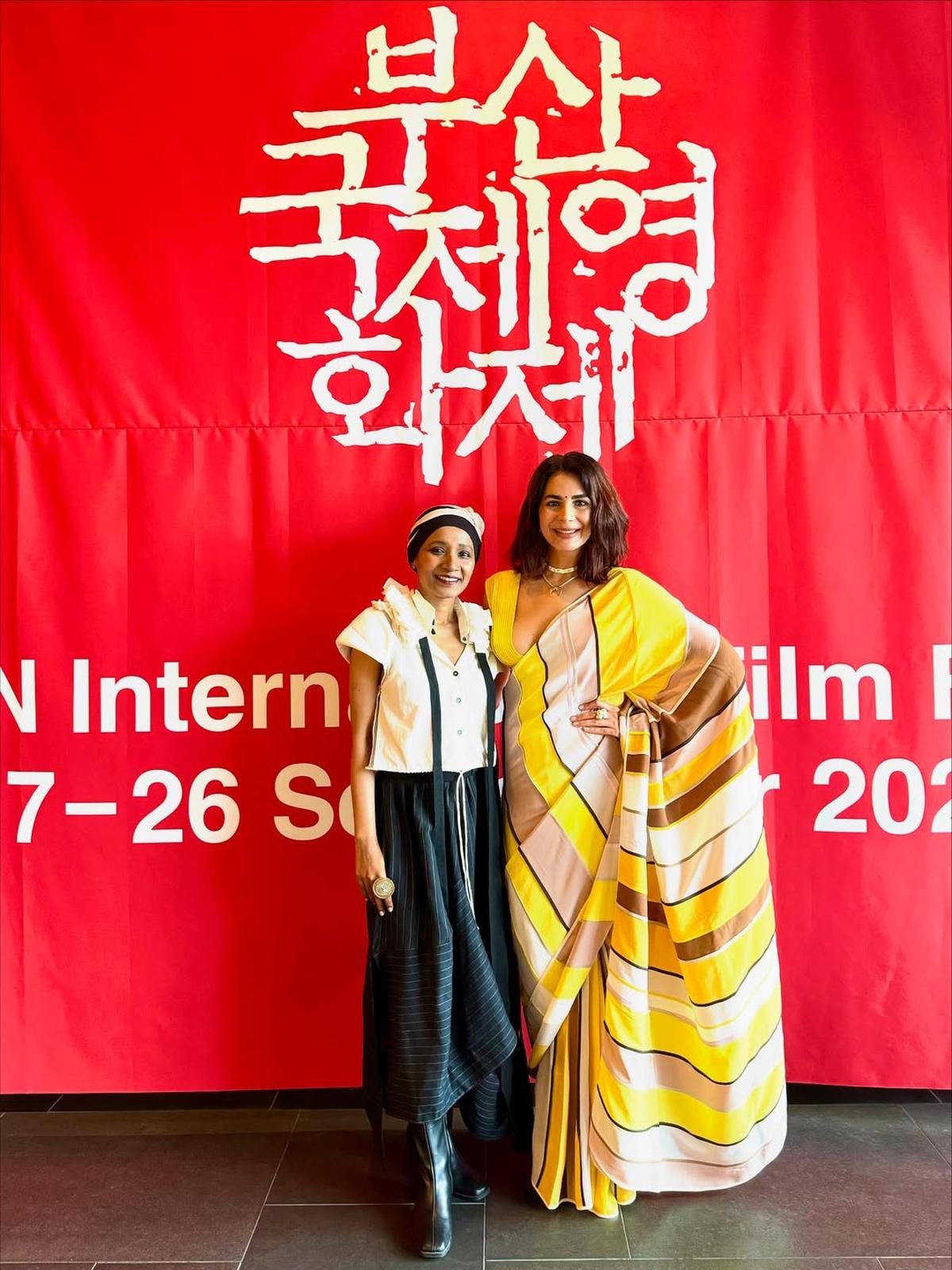
Tannishtha Chatterjee and actor Kirti Kulhari at Busan International Film Festival 2025.
Full Plate has a “poetic ending,” quips Chatterjee, “cinema, or any piece of art, is not just documenting what is but also trying to put in, as artists, our vision, our point of view of the world, and how we would like to see the world. We encounter the realities, every day has moments of joy, happiness and absolute conflict, and then in the end, I want my protagonist to break free.” The film had its world premiere at the 30th Busan International Film Festival in September, where it won Chatterjee the Visionary Director Award.
Stand by me: Her Bollywood sisterhood
That Chatterjee could complete Full Plate, making of which hit several roadblocks, and face life after her cancer diagnosis, she credits her “sisters”. They call the collective the Dher Saara Pyaar (lots of love) group. Shabana Azmi is the leader, and its members include Urmila Matondkar, Sandhya Mridul, Tanvi Azmi, Divya Dutta, Richa Chadha, Vidya Balan, Dia Mirza, Shahana Goswami, and Konkona Sensharma. Each of these names carries a weight, one that comes with the heft of portraying strong women characters on screen and championing those off it. They call Chatterjee “Tiger Tan”.
On January 17, at Javed Akhtar’s 80th birthday party Tannishtha Chatterjee had the time of her life, with her girl gang in tow. Three days later, life came knocking with a stopwatch, and the actor-director-playwright “kind of disappeared”.
Chatterjee, who was busy with Full Plate, had been diagnosed with stage 4 oligo-metastatic cancer. “My film was in the middle of post-production, and everything fell apart,” she says. “My sister doesn’t live in India (her sister and brother-in-law are academics at the Columbia University, New York). I am single (separated from her husband). I felt very lonely at that point. I had lost my father a year back. It was the hardest for my mother, who was still in depression. Also in my care is my daughter (who she has adopted). To deal with so much and then to get diagnosed (with cancer), I could only humour it; that this drama also needed to happen in my life.”
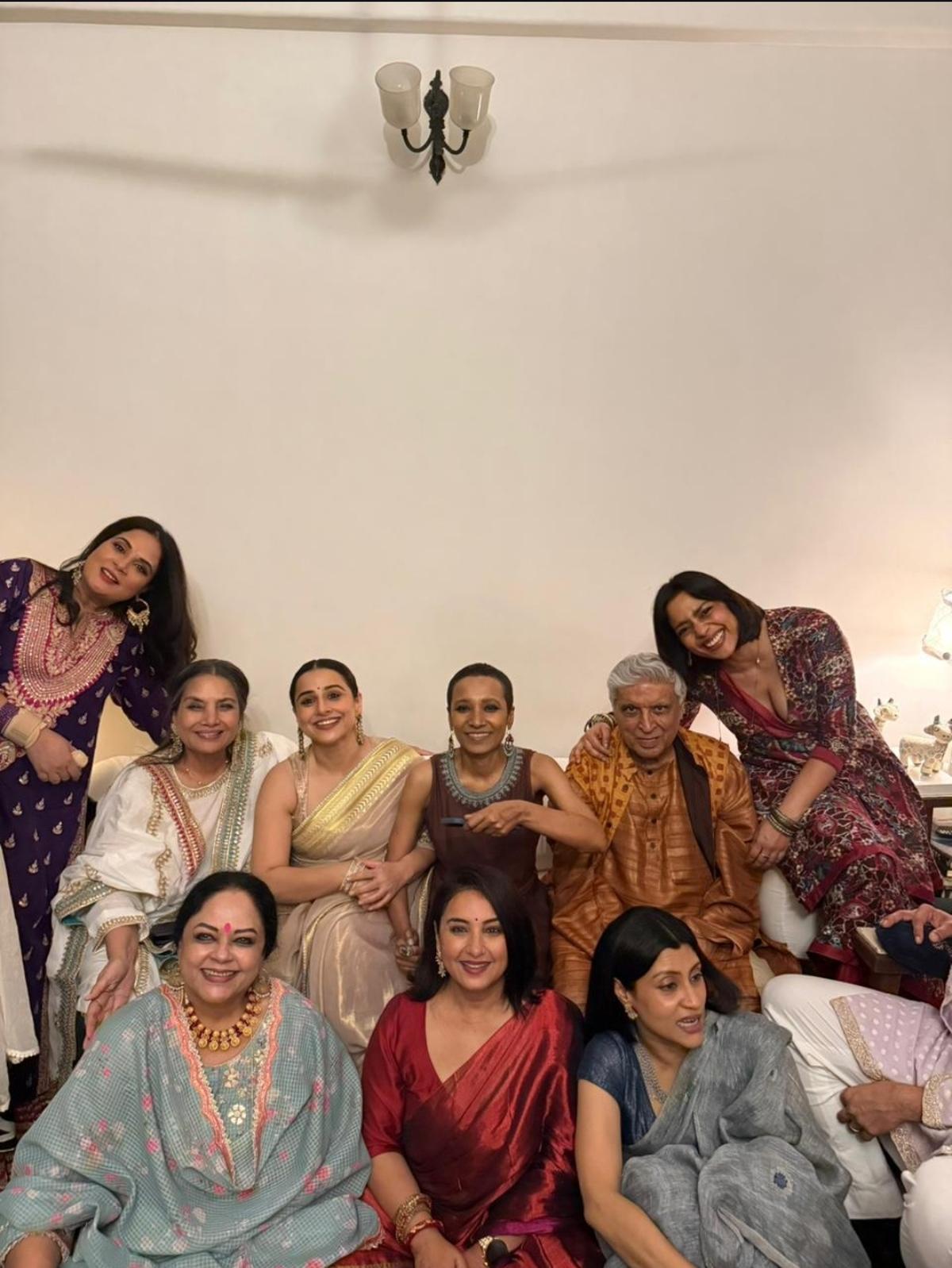
A few members of the Dher Saara Pyaar group (clockwise from left, back) Richa Chadha, Shabana Azmi, Vidya Balan, Tannishtha Chatterjee, Javed Akhtar, Shahana Goswami, (front) Konkona Sensharma, Divya Dutta and Tanvi Azmi.
Together, we thrive
Weeks after her diagnosis, on February 4, Chatterjee did not show up at Matondkar’s birthday. “I decided I would let her celebrate her birthday and then I will tell everybody. But it didn’t work out like that. Sandy [Mridul], Richa and others came to know, and then Urmila’s party turned into a ‘how to help Tannishtha’ event,” she says.
The diagnosis has made her “very fearless, but it’s also given me so much love.” She adds, “Physically, I’m going through a lot of pain, my hair is coming back now, I have no eyebrows, I have lost a lot of weight, I have thinner arms now, but it is all part of my experience, life is only a series of experiences. I don’t know what the future is. People ask me: ‘Are you cancer free now?’ I don’t know. My doctors also can’t tell what’s in the future. But now, I am in no rush. I’m living every moment. We are also blessed to be artists that we can express our experiences. And make it a little larger than just my personal thing. Creative expressions helps us heal, like the play I’m writing now.”
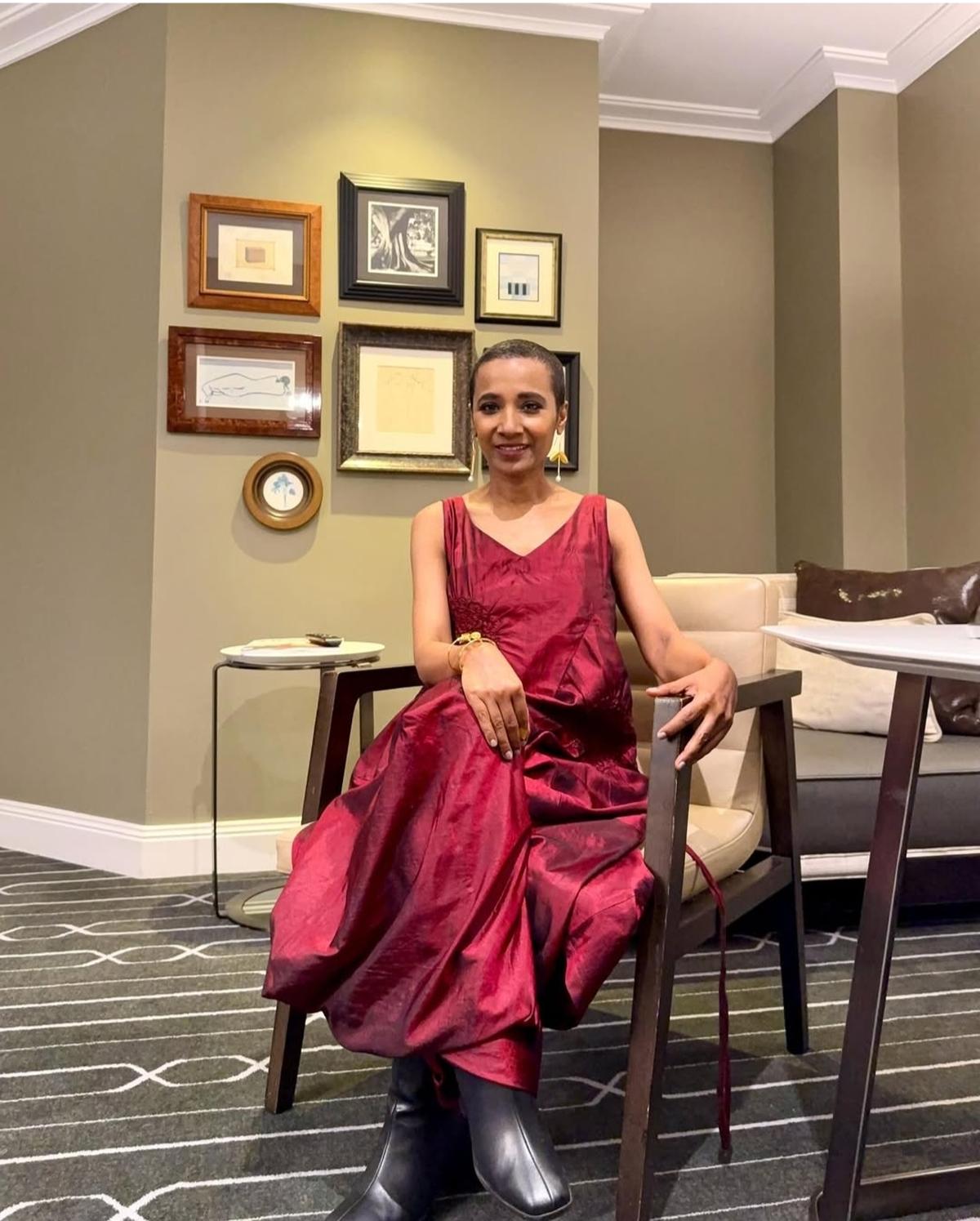
Tannishtha Chatterjee.
Chatterjee admits that “sisterhood is a very recent discovery” for her. Right from her childhood, all her closest friends have been men.“Some of my very dear male friends have been a great support, too. (Actor) Sanjay Suri has been a beautiful support, Manish Hariprasad (Chennai Express associate producer) keeps checking on me, my childhood friend who’s a cancer specialist, who I keep bouncing all the questions at, comes from Delhi to see me. They are all my sisters.” However, “slowly, as we are growing older, I realised that the kind of compassion and love that you can receive and give (among women) is very different,” she says.

She adds, “Because I’m getting a side effect of radiation right now, the other day, Dia called and gave me a list of numbers, Vidya fixed an appointment and picked me up. All that is constantly there. This year, I read Radical Remission (by Kelly A. Turner) and, then it was getting too much and I didn’t want to read about cancer anymore. So, I started reading fiction (Butter by Asako Yuzuki) and poetry by Rumi, and Sandy’s (Mridul) book of poems, titled Untamed, which are beautiful. Shabana sends me videos of exercises, which I’m doing. It’s just amazing.”
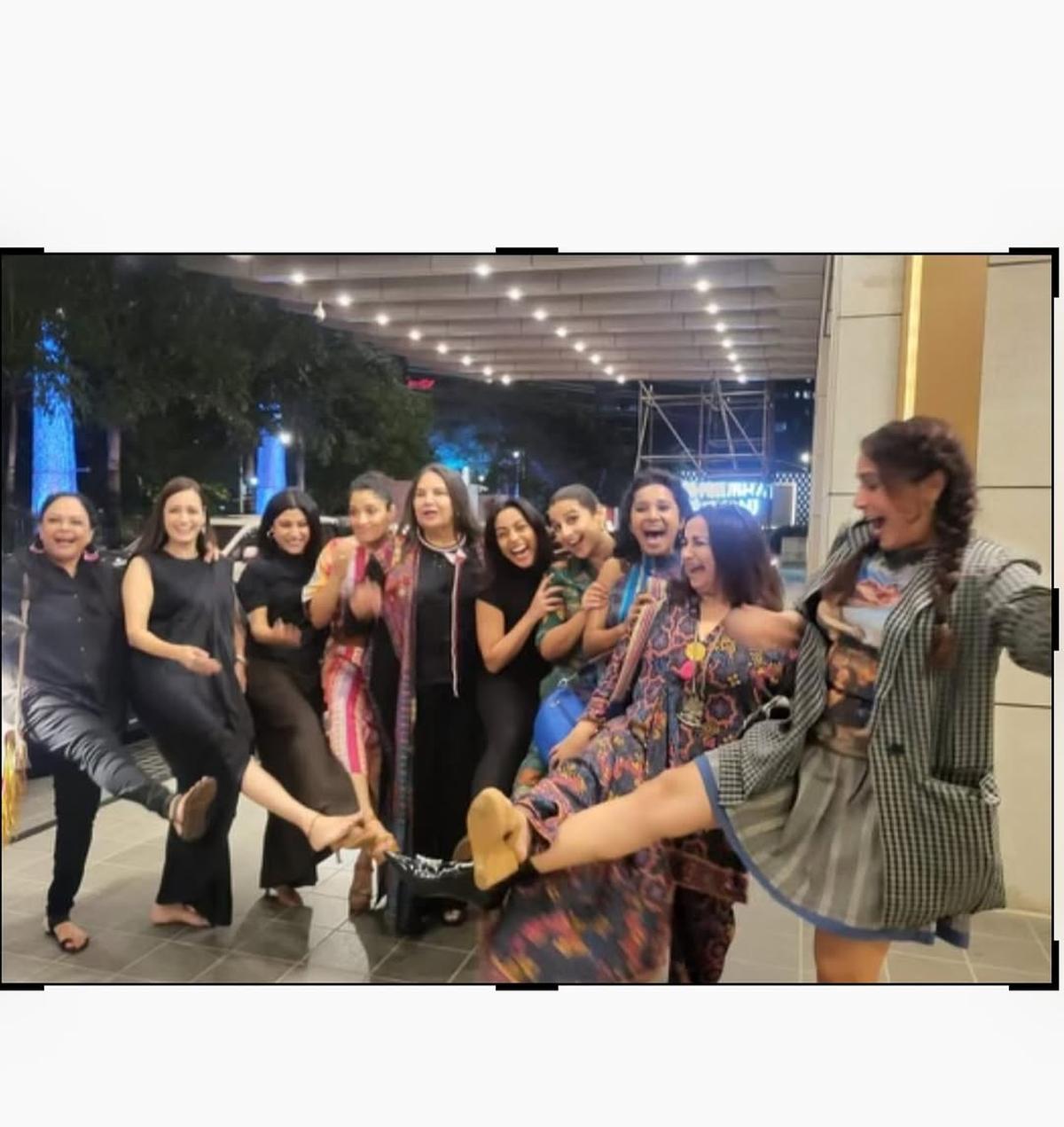
Members of Dher Saara Pyaar group.
Earlier, Dher Saara Pyaar was just a “fun group, where we met, laughed, joked around and talked about things that people can’t talk about in public. But when this happened to me, all of us realised that there’s responsibility and care too. It’s this group as well as my friends and family who have been so beautifully supportive,” shares Chatterjee.
tanushree.ghosh@thehindu.co.in
#Bollywood #actordirector #Tannishtha #Chatterjee #cancer #creativity #female #solidarity