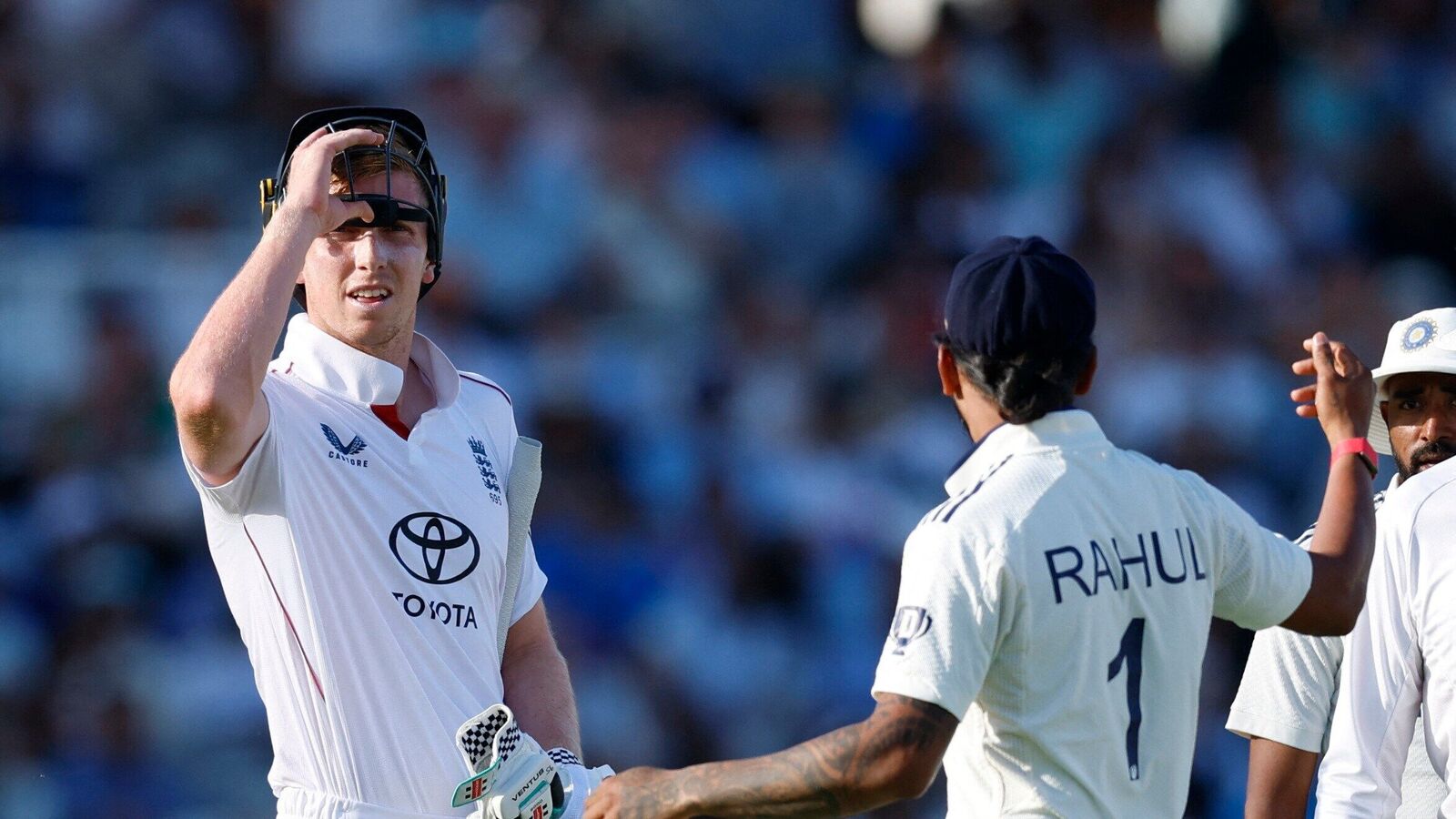
Chapter 1: The Sparks at Lord’s – Unpacking the Crawley Incident
The hallowed grounds of Lord’s, usually synonymous with tradition and the serene “Spirit of Cricket,” became the stage for a dramatic escalation of tensions during a recent high-stakes encounter. The incident, which has since become a focal point of discussion, involved England’s Zak Crawley and India’s Shubman Gill, alongside Ben Duckett. This confrontation, unfolding in the pressure cooker of the match’s final over, saw tempers flare and a palpable shift in the atmosphere, laying the groundwork for widespread reactions and intense debate within the cricketing community. The very core of the “India response Crawley Lord’s” narrative began here, on the pitch.
The sequence of events leading to the flashpoint was a microcosm of the intense rivalry between these two cricketing giants. As the match neared its crescendo, the stakes were incredibly high, with both teams pushing for dominance. It was in this charged environment that a heated exchange erupted, involving key players from both sides. While the precise words exchanged might remain largely in the confines of the players’ memories, the visual cues – the aggressive body language, the close proximity, and the visible frustration – spoke volumes. This confrontation, vividly reported, “saw tempers rise as players from both sides engaged in a fiery confrontation,” according to *The News Mill* [Source: The News Mill]. Such on-field intensity, while often a source of enthralling drama for spectators, can sometimes cross the line, inviting scrutiny and igniting controversies that linger long after the final ball is bowled.
The involvement of Zak Crawley, a prominent English batsman, and Shubman Gill, one of India’s brightest young talents, amplified the incident’s significance. Their individual reputations and roles within their respective teams meant that any direct confrontation between them would inevitably draw considerable attention. Ben Duckett’s presence further highlighted the collective nature of the English side’s involvement, suggesting a unified stance in the face of perceived provocation. This particular spat was not just an isolated moment of anger; it “set a combative tone,” a phrase that perfectly encapsulates the shift from competitive play to overt aggression. It signaled to observers, pundits, and fans alike that the battle was no longer confined to runs and wickets but had spilled over into a test of wills and temperament.
The unique setting of Lord’s, often referred to as the “Home of Cricket,” added another layer to the incident. Historically, Lord’s has been seen as the bastion of traditional cricketing values, where sportsmanship is paramount. When such a heated exchange occurs on this sacred turf, it invariably raises questions about the evolving nature of the game and the pressures faced by modern cricketers. It forces a reflection on whether the increasing intensity of international cricket is leading to a compromise of the very “Spirit of Cricket” that the venue embodies. For more insights on player dynamics and how personal interactions can influence team performance, one might consider exploring discussions around Kohli’s interactions at Wimbledon and Edgbaston, which often highlight the broader implications of player conduct.
Understanding the Crawley incident at Lord’s requires looking beyond the immediate confrontation. It demands an examination of the context – the high stakes, the individual players involved, and the historical significance of the venue. This incident did not just conclude with the end of the match; it opened a new chapter in the India-England cricketing narrative, sparking an extensive “India response Crawley Lord’s” discussion that resonated far and wide, influencing subsequent chapters of the rivalry and prompting a broader conversation about sportsmanship and competitive spirit.
Chapter 2: Immediate Repercussions – India’s On-Field and Dugout Reactions
The moment the confrontation involving Zak Crawley, Ben Duckett, and Shubman Gill subsided at Lord’s, the immediate reactions from the Indian contingent, both on the field and within the dugout, were under intense scrutiny. This was a critical juncture in assessing the comprehensive “India response Crawley Lord’s” dynamic. On the field, the Indian players, initially caught in the heat of the moment, quickly transitioned from direct confrontation to a more strategic display of collective solidarity and disciplined restraint. The captain, always the first line of leadership, was observed engaging in calm but firm discussions with the umpires, seeking clarity and perhaps protesting the perceived aggression from the English side. This professional approach, even amidst high tension, underscored a mature response designed to de-escalate without conceding ground.
Within the playing eleven, there was an immediate huddle, a characteristic feature of Indian teams facing adversity. This impromptu gathering served multiple purposes: to calm frayed nerves, to reaffirm team unity, and to re-strategize for the crucial remaining moments of the game. Players like Virat Kohli, renowned for his fiery passion but also his experience in high-pressure situations, were seen communicating intently with younger players, likely urging them to channel their frustration into performance rather than further altercations. The body language shifted from reactive anger to a focused determination, signaling that the Indian team intended to let their cricket do the talking. This on-field composure, despite the evident provocation, was a testament to the team’s mental fortitude and their commitment to upholding the broader values of the game, even when challenged. The players’ demeanor sent a clear message, influencing the ongoing “India response Crawley Lord’s” narrative from the very pitch.
The dugout, a nerve center of strategic planning and emotional support, buzzed with activity following the incident. Coaches, led by the Head Coach and other support staff, were observed in intense discussions. Their initial reactions likely mirrored the frustration felt by the players, but their primary focus would have quickly turned to managing the fallout and preparing for the immediate future. There would have been urgent conversations about potential disciplinary actions, strategies for addressing the media, and most importantly, how to refocus the team’s energy. Analytical insights into player performance and conduct, similar to discussions around Kohli’s interactions at Wimbledon and Edgbaston, would have been at the forefront, guiding their approach.
The coaches would have stressed the importance of discipline and adherence to the “Spirit of Cricket,” a principle deeply embedded in the game’s ethos. This commitment to fair play, as outlined in the *MCC Laws of Cricket* [Source: MCC Laws of Cricket], would have been reiterated to ensure that the team’s frustration did not translate into actions that could incur penalties or tarnish their reputation. Strategists might have reviewed footage of the incident, not just for tactical reasons but also to prepare for any formal inquiries or potential sanctions. The goal was clearly to ensure that the team’s competitive fire remained, but that it was directed productively, away from unnecessary confrontation.
Furthermore, the dugout likely began preparing for the inevitable media interactions. The team manager and media liaison would have started formulating key messages, ensuring a unified and consistent narrative that reflected the team’s professionalism and their perspective on the incident. This proactive approach to media management is crucial in controlling public perception and shaping the broader “India response Crawley Lord’s” storyline. By maintaining composure and focusing on the game, both on the field and in the dugout, India aimed to emerge from the immediate aftermath of the Crawley incident with their integrity intact, demonstrating that even under pressure, their commitment to the sport’s values remained unwavering. This measured but firm reaction set the tone for how the incident would be perceived globally.
Chapter 3: The Roar from Home – Indian Media and Fan Commentary
As news of the Zak Crawley incident at Lord’s reverberated across the globe, the roar from India was immediate and unequivocal, forming a significant component of the overall “India response Crawley Lord’s” narrative. Indian media, known for its passionate coverage of cricket, immediately pounced on the incident, transforming it into a national talking point. News channels dedicated extensive airtime to replays of the confrontation, dissecting every frame with forensic detail. Pundits and former cricketers, appearing on prime-time debates, offered a wide range of opinions, from outright condemnation of England’s perceived aggression to staunch defense of the Indian players’ conduct.
Prominent cricket journalists and analysts, writing for leading newspapers and online portals, crafted fiery editorials. Many highlighted the perceived unsporting behavior, often drawing parallels to past incidents in the storied India-England rivalry. *The News Mill*’s initial report, describing the “tension explodes in final over drama at Lords after Gills heated exchange with Duckett, Crawley” [Source: The News Mill], served as a potent catalyst for these discussions, framing the incident as a breach of cricketing etiquette. Debates raged over the “Spirit of Cricket,” with many arguing that the incident underscored a growing disregard for these foundational principles, while others cautioned against overreacting to moments of intense competition. The media’s role was crucial in shaping public sentiment, often emphasizing the Indian team’s calm demeanor in the face of provocation and highlighting their adherence to the game’s values, even as tensions flared.
Online platforms became veritable battlegrounds for discussion. Social media, in particular, exploded with reactions. Hashtags related to the incident trended rapidly, with fans expressing a mix of outrage, solidarity, and humor. Memes depicting the confrontation, often satirizing the English players or lionizing the Indian team’s stoicism, proliferated across platforms like X (formerly Twitter), Instagram, and Facebook. Fan forums and dedicated cricket discussion boards saw thousands of comments, with elaborate arguments breaking down the ethics of the confrontation and speculating on potential disciplinary actions. The passionate engagement reflected the deep emotional connection Indian fans have with their national team and the sport itself.
The commentary wasn’t limited to condemnation; there was also a strong current of support for the Indian players involved, particularly Shubman Gill. Fans rallied behind him, portraying him as a victim of aggressive tactics and praising his composure. The collective sentiment was one of fierce protectiveness over their cricketing heroes, intertwining national pride with sporting integrity. This unwavering support was a significant part of the “India response Crawley Lord’s” narrative, demonstrating that the incident had resonated far beyond the boundaries of the cricket field, touching a raw nerve of national identity and collective pride.
Beyond the immediate emotional outpouring, the incident also sparked more nuanced discussions within the media about the broader implications for India-England cricket relations. Pundits pondered whether such incidents would lead to a more acrimonious future for the rivalry or if they could serve as a catalyst for a renewed emphasis on sportsmanship. The *ICC Cricket* website’s emphasis on the “Spirit of Cricket” [Source: ICC Cricket] was often cited, with calls for international cricketing bodies to take a firm stance against on-field aggression. The Indian media and fan commentary, therefore, acted as a powerful echo chamber, amplifying the significance of the Crawley incident and ensuring that the “India response Crawley Lord’s” became a defining moment in the ongoing narrative of competitive cricket.
Chapter 4: Beyond the Boundary – Impact on India-England Cricket Dynamics
The rivalry between India and England in cricket is one of the sport’s most compelling narratives, steeped in history and often characterized by intense competition. It is a contest that transcends mere statistics, deeply intertwined with cultural pride and cricketing legacy. Controversial incidents, such as the heated exchange involving Zak Crawley at Lord’s, frequently serve to heighten this dynamic, often pushing the boundaries of sportsmanship and profoundly influencing the ongoing “India response Crawley Lord’s” discourse. These moments are not isolated; they ignite passionate debates among fans, players, and pundits, influencing public perception and adding another layer of intrigue to future encounters.
Historically, this rivalry has seen its share of fiery moments, from Bodyline to contentious dismissals, each adding a new chapter to the narrative. The Crawley incident, with its raw display of emotion and direct confrontation, fits squarely into this tradition of impactful flashpoints. It serves as a stark reminder that even in a sport celebrated for its decorum, human emotions can spill over, creating ripples that extend far beyond the boundary ropes. Such incidents can reshape team strategies, influence selection decisions, and even dictate the psychological approach of players in subsequent matches. A team might adopt a more aggressive posture, seeking to assert dominance, or conversely, might double down on disciplined play to avoid further controversy. The immediate “India response Crawley Lord’s” on the field hinted at this measured approach.
While cricket is traditionally lauded for its “spirit of the game,” instances of perceived unfair play or aggressive behavior can strain the relationship between the two cricketing nations. Such incidents often become talking points that linger for years, shaping the narrative of the rivalry and sometimes leading to a more aggressive or wary approach in subsequent matches. For example, heated exchanges between players, as seen in some instances during recent series and specifically highlighted by *The News Mill* regarding the Lord’s incident [Source: The News Mill], can escalate tensions and create a more charged atmosphere on the field. This heightened atmosphere then becomes part of the expectation for future contests, with fans and media alike scrutinizing every interaction for signs of lingering animosity or renewed aggression.
However, these controversies also serve as a crucial crucible for sportsmanship. The manner in which players and teams react in the aftermath of a contentious incident – whether through graceful acceptance, defiant rebuttal, or a renewed commitment to fair play – significantly impacts the long-term perception of their conduct. A display of magnanimity or a clear adherence to the rules, even in the face of provocation, can reinforce the values of sportsmanship and earn respect from both sides. Conversely, repeated disregard for cricketing etiquette can damage reputations and foster a more acrimonious rivalry. This testing of character is vital for the sport’s health. The ultimate “India response Crawley Lord’s” will be judged not just by the immediate reactions, but by the lasting impact on their approach to future series.
The long-term impact on the India-England cricketing dynamics is complex. While individual incidents may spark momentary outrage and fan fervor, the enduring legacy rests on the broader commitment to competitive yet respectful engagement. The narrative of rivalry is enriched, not diminished, by these intense moments, provided they are managed with integrity. How these nations continue to balance their fierce competitive instincts with the foundational principles of cricket will define the future trajectory of one of the sport’s most enthralling contests. This incident, therefore, becomes not just a memory, but a lesson, influencing every future ball bowled and every interaction between these two cricketing powerhouses.
Chapter 5: Lessons and Legacies – Looking Ahead in the Spirit of Cricket
The “Spirit of Cricket” is a fundamental principle that underpins the game, emphasizing fair play, respect for opponents and officials, and honorable conduct both on and off the field. It goes beyond the written laws of cricket, embodying the unwritten conventions and traditions that maintain the game’s integrity and appeal. Events like the recent Crawley incident at Lord’s, regardless of their outcome, serve as crucial reminders of these values, shaping future encounters and reinforcing the paramount importance of sporting conduct. The overarching “India response Crawley Lord’s” will inevitably contribute to this legacy.
Looking ahead, upholding the spirit of cricket is vital for the sport’s continued growth and popularity. When players, coaches, and fans adhere to these principles, it fosters an environment of mutual respect and enjoyment, making the game more accessible and inspiring for new generations. The *MCC Laws of Cricket* preface eloquently describes this spirit, stating that “it is not only important to play within the Laws but also within the Spirit of Cricket” [Source: MCC Laws of Cricket]. This emphasis is critical because while the rules govern the mechanics of the game, the spirit governs its soul. An incident like the one at Lord’s pushes these boundaries, forcing a collective introspection on how well these unwritten rules are being upheld.
The legacy of any match or tournament is not solely defined by the scoreboard, but by how participants conducted themselves and the lessons learned regarding sportsmanship. In the aftermath of such high-tension moments, the focus often shifts from who won or lost to how the players behaved under pressure. For instance, discussions around player conduct, similar to insights into player performance like those for Kohli’s performances, often highlight the broader impact on the game’s image and its future. The “India response Crawley Lord’s” will be remembered not just for the immediate reaction, but for how it informs future diplomatic and on-field interactions.
Future encounters will undoubtedly be influenced by the precedents set in present games. Teams that consistently demonstrate high standards of sporting conduct contribute to a positive reputation for themselves and the sport as a whole. This commitment to fair play ensures that cricket remains a game celebrated for its skill, strategy, and enduring values, rather than being overshadowed by controversies. The *ICC Cricket* website further elaborates on the importance of the Spirit of Cricket, stating it is “an attitude of mind and a way of life” [Source: ICC Cricket]. This philosophy needs to permeate every level of the game, from grassroots to international competitions, ensuring that incidents like the one at Lord’s become rare exceptions rather than common occurrences.
The collective dedication to the “Spirit of Cricket” will be the true measure of its enduring legacy, promising a future where the game thrives on mutual respect and honorable competition. It is a continuous process of education, reinforcement, and sometimes, learning from mistakes. The Crawley incident, therefore, serves as a powerful reminder that while the pursuit of victory is paramount, it must always be balanced by a profound respect for the game itself, its rules, and its participants. The narrative surrounding the “India response Crawley Lord’s” becomes a vital part of this ongoing dialogue, shaping perceptions and contributing to the global understanding of fair play in professional cricket. It is through such incidents, and the subsequent reflections, that the game truly evolves and continues to captivate audiences worldwide.
