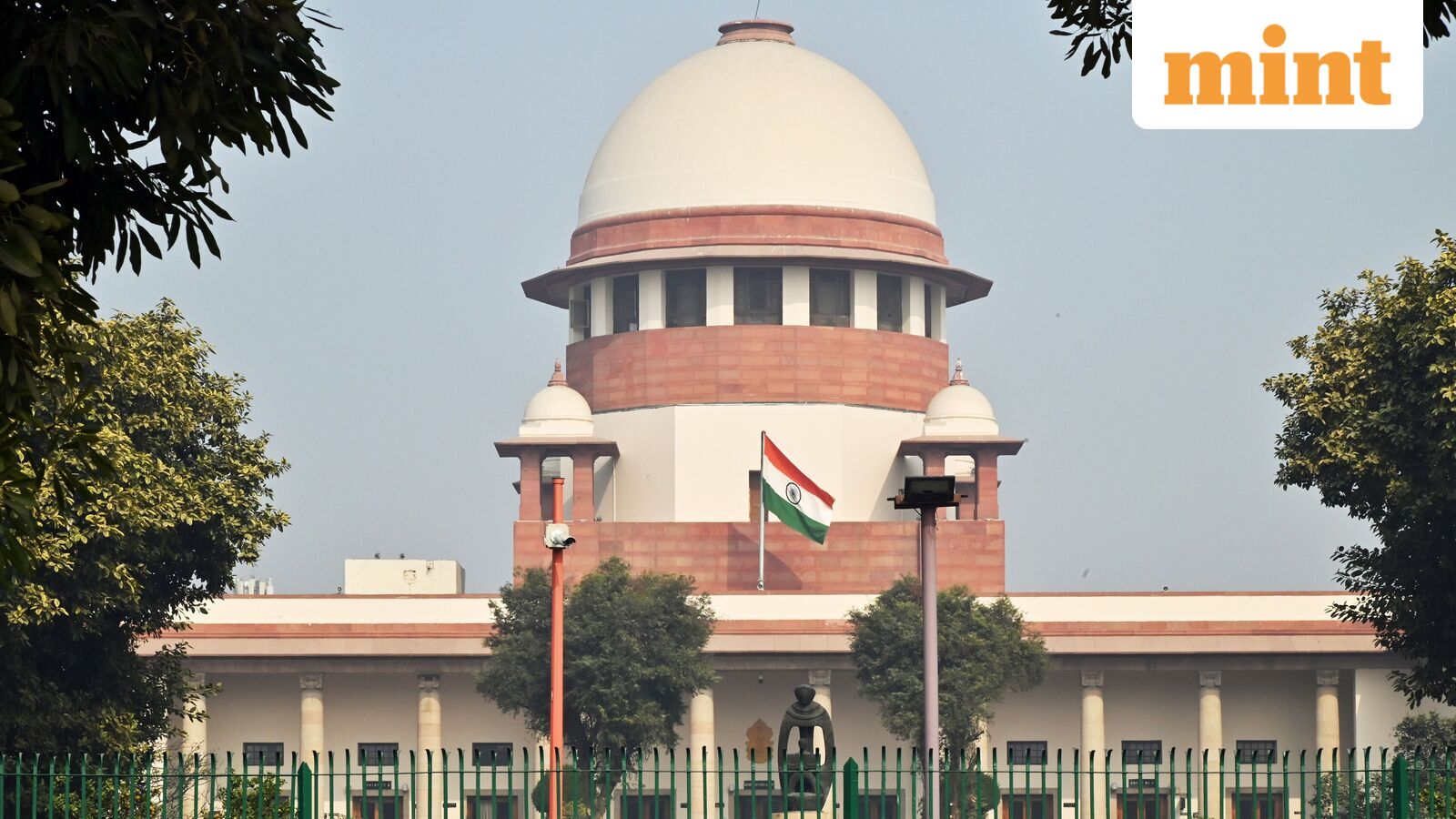
JioStar India Pvt Ltd has been asked by the Supreme Court of India to approach the Delhi High Court with its plea that it did not want to amend its pending petition there challenging parts o the Telecom Regulatory Authority of India’s (TRAI) regulatory framework on television channel pricing
A Bench comprising Chief Justice of India Surya Kant, Justice Joymalya Bagchi, and Justice V Mohana, on Tuesday (4 August) disposed of the broadcaster’s transfer petition after advising it to place its concerns before the Delhi High Court. JioStar was represented before the Supreme Court through law firm Karanjawala and Co.
Supreme Court declines transfer petition in TRAI pricing dispute
The case arose from JioStar‘s challenge to key aspects of TRAI’s regulatory framework governing television channel pricing, including tariff orders, maximum retail price (MRP) caps and discount structures applicable to cable and direct-to-home (DTH) distribution.
Appearing for the broadcaster, senior advocate Mukul Rohatgi argued that the regulatory framework should be viewed as a unified scheme because the regulations and tariff orders are closely connected, even though they originate from different legal powers.
He told the court that while TRAI regulations amount to delegated legislation and therefore fall within the jurisdiction of a high court, tariff orders are administrative measures that can be challenged before the Telecom Disputes Settlement and Appellate Tribunal (TDSAT), according to PTI report.
“A tariff order and a regulation were issued simultaneously. One was in the exercise of legislative power and the other in the exercise of administrative power,” he said.
JioStar challenges TRAI’s definition of ‘subscriber’
During the hearing, Mukul Rohatgi also questioned the regulatory framework’s definition of a “subscriber”, arguing that it failed to distinguish between commercial establishments and ordinary households.
Referring to hotels, he contended that the current pricing structure treated premium commercial properties and residential consumers alike despite their vastly different use of television services.
“We say that if a hotel is charging ₹50,000 per room, there has to be a distinction between commercial exploitation of a signal and a residential household. You cannot have the same tariff. It is like comparing apples with oranges,” he said.
Broadcaster objects to Delhi HC’s direction to amend petitions
JioStar had originally approached the Delhi High Court in 2014 and 2015, challenging both TRAI’s regulations and its tariff orders. Those petitions remained pending because related issues arising from proceedings before TDSAT were already under consideration before the Supreme Court.
According to the broadcaster, the Delhi High Court subsequently directed it to amend its petitions and imposed costs despite its position that no amendments were necessary.
Rohatgi repeatedly questioned the reasoning behind the costs imposed, telling the Bench, “Why costs?” He argued that the order suggested the court had already formed a view that the petitions would otherwise fail.
Supreme Court asks JioStar to move Delhi High Court
The Supreme Court, however, declined to entertain the transfer request and instead advised the broadcaster to seek clarification from the Delhi High Court.
“It would be better if you go back. In light of paragraphs 4 and 5 of the interim order, move an application before the high court stating that you do not wish to amend your petition,” PTI report quoted the Chief Justice of India.
Responding to the Bench, Rohatgi said JioStar would withdraw the transfer petition and file an appropriate application before the Delhi High Court.
“I do not require any amendment. I do not want to amend… I will withdraw this petition and move an appropriate application before the learned Judge. I do not propose to abandon my case,” he said.
#Supreme #Court #tells #JioStar #return #Delhi #TRAI #tariff #framework #challenge
