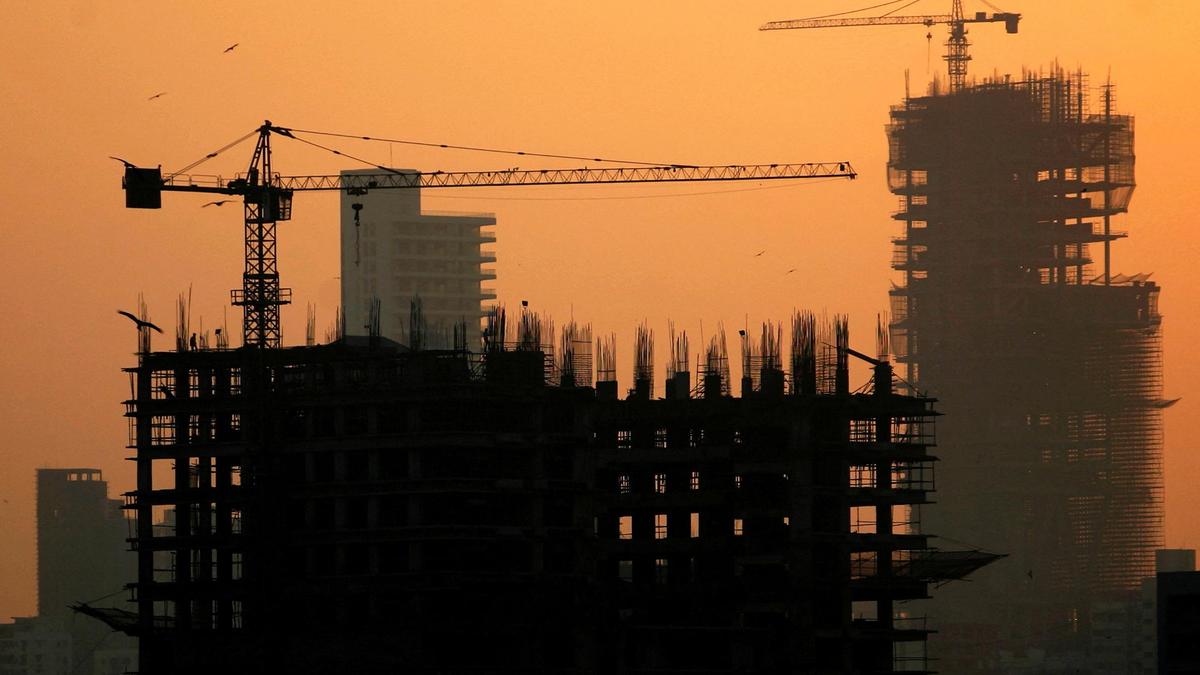
2026 Budget: Realtors Demand Action on Affordable Housing
In a significant move towards bolstering the real estate market, the association has expressed its support for the government’s commitment to infrastructure development. The focus on creating robust infrastructure is expected to provide a substantial boost for the Indian property sector, particularly in the realm of affordable housing. The forthcoming 2026 Budget offers an excellent opportunity for policymakers to implement key strategies aimed at improving housing accessibility for all citizens.
The Current State of Affordable Housing in India
India’s real estate market has seen rapid transformations over the years. However, the issue of affordable housing remains a critical challenge. With an ever-growing population and increasing urban migration, the demand for housing has surged. Despite this need, many citizens still struggle to find housing options that are economically feasible.
According to various market analyses, the affordable housing segment is one of the most underserved areas in the Indian real estate landscape. The challenges encompass not only financial constraints but also regulatory hurdles that make it difficult for developers to deliver projects within the affordable housing segment. The 2026 Budget presents an ideal platform for addressing these issues.
Infrastructure Development: A Critical Precursor to Growth
The government’s focus on infrastructure development is not just a positive signal for the real estate sector; it is a necessary precondition for the effective growth of affordable housing. Clean water supply, efficient transport links, and reliable public services are vital for creating thriving communities. The establishment of robust infrastructure builds a conducive environment for both living and economic activities.
Road Connectivity and Transport Networks
One of the essential aspects of infrastructure that directly affects affordable housing is road connectivity and transport networks. Vast urban areas often lack efficient commuting options, making it difficult for potential homeowners to reach their workplace. Investments in road and rail services will promote better connectivity, ultimately enhancing property value and accessibility. For a deeper understanding of the impact, check additional insights on tourism infrastructure in India.
Utilities and Civic Amenities
Equally important are utilities and civic amenities. The availability of reliable electricity, water, sanitation, and waste management significantly impacts residents’ quality of life. Ensuring these services are extended to affordable housing projects will not only improve living conditions but also position developers favorably within the market.
Policy Recommendations for the 2026 Budget
In light of the ongoing challenges faced by the real estate sector, the association recommends several vital policy initiatives for the upcoming 2026 Budget. Implementing these policies would not only alleviate the existing housing crisis but would help to foster a favorable environment for affordable housing projects.
Financial Incentives for Developers
To catalyze growth in the affordable housing sector, policymakers should consider offering financial incentives for developers engaged in constructing affordable units. Tax breaks, reduced land acquisition costs, and subsidies for necessary construction materials could significantly lessen the financial burden on developers. This, in turn, would enable them to produce affordable units without compromising quality.
Streamlining Regulations
The regulatory landscape associated with housing development is often complex and fraught with delays. The 2026 Budget should focus on simplifying the process, thereby ensuring that developers can obtain required approvals promptly. Clear guidelines and faster processing times can reduce project turnarounds, ultimately leading to more housing being delivered to the market in less time.
The Role of Public-Private Partnerships
Public-private partnerships (PPPs) can serve as an effective model for addressing the affordable housing shortage. By leveraging private sector expertise and investment alongside public sector support, stakeholders can create innovative solutions aimed at expanding the availability of affordable housing. The introduction of grants and funding programs for such initiatives should be a priority in the 2026 Budget.
Engaging with Stakeholders
Involving various stakeholders—such as state governments, local bodies, financial institutions, and community organizations—in the housing development process is critical. Collaborative efforts can bridge gaps in understanding needs, thereby enhancing the project delivery process.
Incorporating Sustainable Practices
Sustainability cannot be overlooked in today’s housing initiatives. The government should emphasize environmentally friendly construction methods that not only reduce costs but also enhance livability. Incentives for sustainable building practices can be incorporated into the budget, which is in line with trends in clean energy solutions.
Building Confidence in the Property Market
Creating a stable and predictable environment for investors is essential if the property market is to flourish. Many potential homeowners remain hesitant to invest in property due to market volatility and regulatory uncertainties. Thus, the government should take steps to instill confidence.
Transparency and Accountability
Ensuring transparency and accountability in the real estate sector can bolster trust among investors and potential homebuyers alike. The introduction of regular audits and clearance mechanisms, along with strict penalties for noncompliance by developers, can create a more robust system.
Consumer Protection Laws
Protecting the rights of consumers in real estate transactions is non-negotiable. A well-defined framework that includes clear guidelines for buyers, accessibility to dispute resolution mechanisms, and heightened scrutiny of housing contracts can build consumer trust and encourage investment in affordable housing. Additional insights on consumer protection laws provide further clarity on this topic.
Enhancing Accessibility for Homebuyers
Alongside making housing more affordable, enhancing accessibility for potential homebuyers is crucial. The following strategies should be considered in the 2026 Budget.
Financial Literacy Programs
To ensure that the population can effectively navigate the housing market, the government should initiate financial literacy programs tailored to first-time homebuyers. Educating potential buyers about housing finances, loan eligibility, and budgeting strategies will empower them to make informed decisions.
Home Loan Subsidies
Offering home loan subsidies can significantly reduce the financial burden on buyers and encourage them to invest in affordable housing. Implementing interest rate subsidies for first-time homebuyers or low-income families would pave the way for increased housing ownership.
Challenges Ahead
While the possibilities appear endless, there are various challenges that the affordable housing sector may still face in light of the 2026 Budget. Economy fluctuations, pandemic aftermaths, and political changes can all impact housing projects and the real estate market at large.
Market Regulation
The market must remain well-regulated to prevent malpractices that may affect affordable housing initiatives. Striking a balance between encouraging development and maintaining oversight remains an ongoing challenge.
Addressing Land Acquisition Issues
Land acquisition continues to be a bottleneck in affordable housing development. The 2026 Budget should address this challenge head-on, proposing innovative solutions aimed at releasing land parcels for housing development. Understanding the context of land acquisition can provide further insights into this critical issue.
Conclusion
The 2026 Budget holds immense promise for the future of affordable housing in India. By maintaining a strong focus on infrastructure development, implementing relevant policies, and engaging with stakeholders, the government can effectively address the challenges that persist within the real estate sector. With proper execution, collaborative efforts, and a commitment to sustainable practices, the vision for affordable housing can become a reality for millions of Indians. The association wholeheartedly urges the government to prioritize these aspects in the upcoming budget, recognizing that a thriving housing market is intrinsically linked to societal well-being and economic prosperity.
Sources
- Investopedia – Real Estate Market
- Wikipedia – Affordable Housing
- Wikipedia – Urban Migration
- Wikipedia – Infrastructure Development
- Wikipedia – Public-Private Partnerships
- Investopedia – Financial Incentives
- Wikipedia – Sustainable Building Practices
- Wikipedia – Consumer Protection Laws
- Wikipedia – Financial Literacy Programs
- Wikipedia – Home Loan Subsidies
- Wikipedia – Land Acquisition
